Livestock trading plays a crucial role in the agricultural economy, serving as a vital link between producers and consumers. This dynamic market not only facilitates the exchange of animals for meat, milk, and other products but also supports the livelihoods of countless farmers and traders. Understanding the intricacies of the livestock market is essential for anyone involved in this sector, as it encompasses various factors including supply and demand, pricing trends, and regional market conditions. One of the most significant aspects of livestock trading is the assessment of animal health prior to any transaction. Healthy animals are not only more productive but also fetch higher prices in the market.
Therefore, traders must be equipped with the knowledge and tools to evaluate the health status of livestock effectively. This involves a thorough examination of physical attributes, behavioral signs, and even veterinary records to ensure that the animals are free from diseases that could impact their value or pose risks to other livestock. Moreover, as consumer awareness regarding food safety and animal welfare continues to rise, the importance of health assessments in livestock trading cannot be overstated. Buyers are increasingly demanding transparency about the health conditions of animals they purchase, making it imperative for traders to adopt rigorous health evaluation practices. By prioritizing animal health assessments, traders not only enhance their credibility but also contribute to a more sustainable and ethical livestock market.
The Importance of Animal Health in Livestock Trading
In the realm of livestock trading, the health of animals is paramount.Assessing animal health before a trade is not merely a precaution; it is a critical factor that can significantly influence the success of a transaction. Unhealthy animals pose various risks that can lead to financial losses, reputational damage, and even legal repercussions.
Risks Associated with Unhealthy Animals
- Financial Loss: Purchasing sick livestock can result in unexpected veterinary costs and decreased productivity, ultimately affecting profit margins.
- Market Reputation: Traders known for selling unhealthy animals may find it challenging to maintain relationships with buyers and suppliers, leading to a tarnished reputation in the industry.
- Legal Issues: In some regions, there are strict regulations regarding the sale of livestock. Failing to disclose health issues can lead to legal consequences.
Benefits of Trading Healthy Livestock
- Higher Profit Margins: Healthy animals are more productive and can yield better returns on investment through increased milk production, faster weight gain, or higher-quality meat.
- Stronger Buyer Relationships: Buyers are more likely to return to traders who consistently provide healthy livestock, fostering long-term partnerships.
- Reduced Risk of Disease Spread: Healthy animals minimize the risk of transmitting diseases to other livestock, protecting both the trader's and buyer's herds.
Key Indicators of Animal Health
When it comes to livestock trading, assessing the health of animals is crucial for ensuring both the welfare of the livestock and the profitability of the trade.Traders should be vigilant in observing several key indicators that can provide insights into an animal's health status.
- Physical Appearance: A healthy animal typically exhibits a clean, shiny coat, clear eyes, and a well-defined body condition. Look for:
- Skin and Coat: No signs of parasites or lesions.
- Eyes: Bright and clear, without discharge.
- Nose: Moist and free from excessive discharge.
- Body Condition Score (BCS): An appropriate weight for the breed and age.
- Behavioral Signs: The behavior of livestock can be a strong indicator of their health. Healthy animals are generally:
- Active: Engaging in normal activities such as grazing or socializing.
- Alert: Responding to stimuli in their environment.
- Social: Interacting appropriately with other animals.
- Vital Signs: Monitoring vital signs can provide quantitative data on an animal's health. Key vital signs include:
- Temperature: Normal ranges vary by species but generally fall between 101°F to 102.5°F for cattle.
- Pulse Rate: A healthy pulse rate for cattle is typically between 40-80 beats per minute.
- Respiration Rate: Normal rates are around 10-30 breaths per minute for most livestock.
Conducting a Physical Examination
Conducting a thorough physical examination is crucial for livestock traders to assess the health of animals before trading.This process not only helps in identifying any existing health issues but also ensures that the animals are fit for transport and sale. Here’s a step-by-step guide on how to effectively check animal health:
- Visual Inspection: Start with a visual assessment of the animal from a distance. Look for signs of distress, abnormal posture, or unusual behavior. Pay attention to the coat condition; it should be shiny and free from parasites.
- Check Vital Signs: Measure the animal's vital signs, including temperature, pulse, and respiration rate.
Normal ranges vary by species, so familiarize yourself with these benchmarks.
- Examine the Eyes: The eyes should be clear and bright. Look for any signs of discharge or cloudiness, which may indicate health problems.
- Mouth and Teeth Inspection: Open the mouth to check for healthy gums and teeth. Look for any signs of dental disease or oral lesions that could affect feeding.
- Body Condition Scoring: Assess the overall body condition using a scoring system appropriate for the species. This helps determine if the animal is underweight or overweight, which can impact its health and market value.
- Check Limbs and Hooves: Inspect the legs and hooves for any signs of lameness or injury.
Healthy hooves should be well-trimmed and free from cracks or infections.
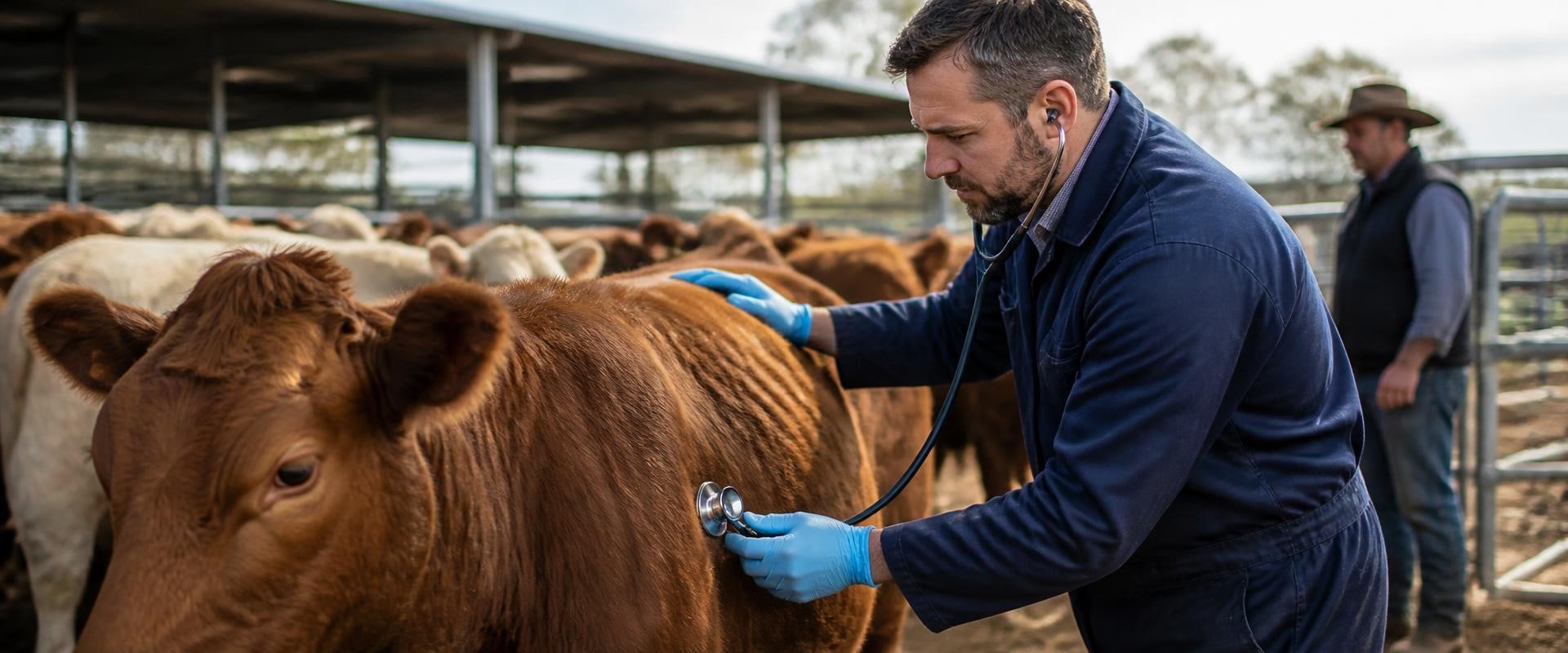
- Listen to Heart and Lungs: Using a stethoscope, listen to the heart and lung sounds. Abnormal sounds may indicate respiratory or cardiac issues.
Utilizing Veterinary Services for Health Assessments
In the realm of livestock trading, ensuring the health of animals is paramount for both ethical and economic reasons.Collaborating with veterinary services can significantly enhance the assessment process, providing traders with reliable insights into the health status of their livestock.
Veterinary Health Assessments
are crucial for identifying any underlying health issues that may not be immediately visible. A professional animal health check typically includes:
- Physical Examination: Veterinarians conduct thorough physical exams to check for signs of illness, injury, or distress.
- Vaccination Status: Assessing whether animals are up-to-date on vaccinations can prevent the spread of diseases.
- Parasite Control: Evaluating the presence of internal and external parasites is essential for maintaining animal health.
- Nutritional Assessment: Understanding the dietary needs and current nutrition levels helps in determining overall well-being.
- Improved Animal Welfare: Ensuring that livestock are healthy contributes to better living conditions and ethical trading practices.
- Increased Market Value: Healthy animals are more attractive to buyers, potentially leading to higher prices in the market.
- Risk Mitigation: Identifying health issues early can prevent significant losses due to disease outbreaks or poor animal performance.
Common Diseases and Health Issues in Livestock
Understanding common diseases and health issues in livestock is crucial for traders aiming to maintain a healthy herd and ensure profitable transactions.Various factors, including environment, nutrition, and genetics, can influence the health of livestock. Here are some prevalent diseases and health issues that traders should be aware of:
- Foot and Mouth Disease (FMD): Highly contagious, FMD affects cloven-hoofed animals, leading to fever and blisters in the mouth and on the feet. Symptoms include drooling, lameness, and reduced milk production.
- Bovine Respiratory Disease (BRD): Often seen in cattle, BRD is caused by a combination of viral and bacterial infections. Symptoms include coughing, nasal discharge, and difficulty breathing.
- Porcine Reproductive and Respiratory Syndrome (PRRS): This viral disease affects pigs, causing reproductive failure in breeding stock and respiratory issues in young pigs.
Signs include lethargy, coughing, and poor growth rates.
- Johne's Disease: A chronic intestinal disease in ruminants caused by the bacterium Mycobacterium avium paratuberculosis. Symptoms include weight loss, diarrhea, and decreased milk production.
- Internal Parasites: Worm infestations can lead to anemia, weight loss, and poor growth. Regular fecal examinations can help identify these issues early.
- Physical Appearance: Healthy animals should have bright eyes, clean coats, and a good body condition score.
- Behavior: Watch for signs of lethargy or abnormal behavior; healthy animals are typically alert and active.
- Nutritional Status: Ensure that animals are receiving adequate nutrition to support their health.
By being vigilant about these common diseases and health issues, livestock traders can make informed decisions that protect their investments and promote animal welfare.
Record Keeping and Health History Review
In the realm of livestock trading, maintaining accurate health records is crucial for both buyers and sellers. These records serve as a comprehensive overview of an animal's health status, vaccination history, and any previous illnesses or treatments. By keeping detailed records, traders can make informed decisions that ultimately affect the profitability and sustainability of their operations.Importance of Record Keeping
- Transparency: Accurate health records provide transparency in transactions, fostering trust between buyers and sellers.
- Risk Management: Understanding an animal's health history helps traders assess potential risks associated with disease outbreaks or genetic issues.
- Regulatory Compliance: Many regions require documentation of health records for livestock, ensuring compliance with local regulations.
Key Aspects to Consider in Health History Review
- Vaccination Records: Ensure that all vaccinations are up-to-date and documented, as this is vital for preventing disease transmission.
- Treatment History: Look for any recurring treatments or medications that may suggest chronic health problems.
- Weight and Growth Records: Monitoring weight changes can provide insights into the overall health and nutritional status of the livestock.
These steps not only enhance the decision-making process but also contribute to the overall welfare of the animals involved.
FAQs About Assessing Animal Health Before Trading
When it comes to livestock trading, assessing the health of animals is crucial for ensuring both the welfare of the animals and the profitability of the trade. Here are some frequently asked questions regarding this important topic:- What are the key indicators of animal health?
Key indicators include physical appearance, behavior, and vital signs. Look for signs of illness such as coughing, limping, or unusual lethargy. Healthy animals typically have bright eyes, a shiny coat, and exhibit normal eating and drinking behaviors. - How can I perform a basic health check?
A basic health check involves observing the animal's posture, checking for any visible injuries or abnormalities, and assessing its respiratory rate.Additionally, you can check the animal's temperature using a digital thermometer; normal temperatures vary by species.
- Should I consult a veterinarian before trading?
Yes, consulting a veterinarian is highly recommended. A vet can conduct a thorough examination and provide necessary vaccinations or treatments before the trade. This not only ensures the health of the animal but also protects your investment. - What documentation should accompany livestock during trading?
Documentation such as health certificates, vaccination records, and proof of ownership are essential. These documents help verify that the animals are healthy and legally traded. - How can I ensure long-term health after trading?
After trading, continue to monitor the animals closely for any signs of illness.Provide proper nutrition, clean water, and a suitable living environment to promote their well-being.
Conclusion: Ensuring Healthy Trades for Sustainable Livestock Trading Practices
In conclusion, the health of livestock is paramount in ensuring successful and sustainable livestock trading practices. As we have explored, assessing animal health before trading not only protects the welfare of the animals but also safeguards the financial interests of traders and buyers alike.To summarize the key points discussed:- Regular Health Assessments: Conducting thorough health checks, including vaccinations and disease screenings, is essential for identifying potential health issues early.
- Documentation: Maintaining accurate health records helps in tracking the history of each animal, providing transparency and building trust between traders and buyers.
- Veterinary Involvement: Engaging a qualified veterinarian for pre-trade inspections can provide an expert evaluation of an animal's health status, ensuring that only healthy livestock are traded.
- Understanding Market Regulations: Familiarity with local and national regulations regarding animal health can prevent legal complications and promote ethical trading practices.
- Education and Training: Continuous education on best practices in animal husbandry and health assessment techniques can empower traders to make informed decisions.