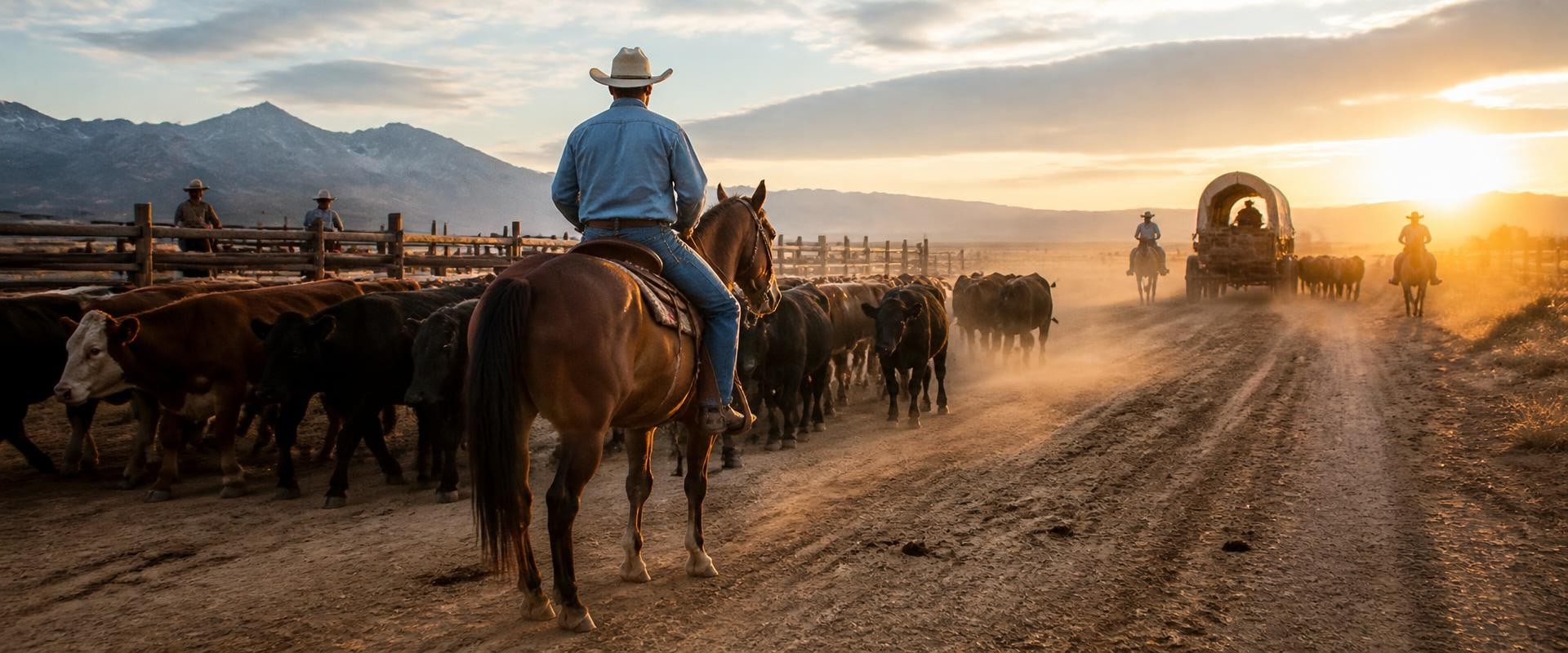
Livestock trading has been a cornerstone of the U.S. agricultural economy for centuries, evolving from small-scale barter systems to a complex network of markets that influence global food supply chains. The practice of livestock trading encompasses the buying and selling of various animals, including cattle, pigs, sheep, and poultry, which are essential not only for meat production but also for dairy and other agricultural products. Understanding the history of livestock trading in the United States provides valuable insights into how these markets have shaped rural economies and influenced consumer behavior. Historically, livestock trading in the U.S.
can be traced back to the early colonial days when settlers relied on livestock for sustenance and trade. As the nation expanded westward, so did the livestock industry, leading to the establishment of major cattle drives and trading hubs. The introduction of railroads in the 19th century revolutionized livestock market trends, allowing for faster transportation of animals to distant markets and significantly increasing their value. This period marked a pivotal shift in how livestock was traded, setting the stage for modern practices. Today, livestock trading is not just a local affair; it has become a global enterprise influenced by factors such as international trade agreements, technological advancements, and changing consumer preferences.
As we delve deeper into the historical trends of livestock trading in the U.S., we will explore how these elements have contributed to the current landscape of the industry and what they mean for its future.
The Origins of Livestock Trading in America
The practice of livestock trading in America has deep roots that trace back to the early colonial days. Initially, livestock was primarily traded among settlers and indigenous peoples, serving as a vital resource for sustenance and economic stability. The early settlers brought various animals, including cattle, pigs, and sheep, which were essential for farming and food production.During the 17th century, as colonies expanded, so did the livestock market. Farmers began to recognize the value of breeding and trading livestock not just for personal use but as a means of generating income.This shift marked the beginning of more organized trading practices. Livestock was often bartered at local markets or fairs, where farmers would gather to exchange goods and services.By the 18th century, the demand for livestock grew significantly due to increasing populations and urbanization. The establishment of formal markets became more common, allowing for greater accessibility and efficiency in livestock trading. Notably, cities like Philadelphia and New York emerged as key trading hubs where livestock could be bought and sold on a larger scale.As we moved into the 19th century, advancements in transportation—such as railroads—revolutionized livestock trading.
Farmers could now transport their animals over long distances, opening up new markets and opportunities. This period also saw the rise of specialized breeds and improved breeding techniques, further enhancing the quality of livestock available for trade.In summary, the origins of livestock trading in America reflect a transition from informal bartering among early settlers to a more structured market system influenced by population growth and technological advancements. Understanding these historical trends provides valuable insights into how modern livestock trading practices have evolved.
Key Historical Milestones in Livestock Trading
The history of livestock trading in the United States is marked by several key milestones that have significantly influenced the industry. Understanding these events provides insight into how livestock markets have evolved over time.Establishment of Livestock Markets
One of the earliest milestones in livestock trading was the establishment of formal markets in the 19th century.The first organized livestock market was founded in Chicago in 1848, which quickly became a central hub for cattle trading. This development allowed farmers and ranchers to sell their livestock more efficiently, leading to increased competition and better prices.
The Impact of Railroads
The introduction of railroads in the mid-1800s revolutionized livestock trading. Rail transport enabled ranchers to ship cattle and other livestock across long distances, opening up new markets and facilitating trade on a national scale. By connecting rural areas with urban centers, railroads played a crucial role in expanding the reach of livestock producers.Major Legislation
Throughout the 20th century, various legislative measures impacted livestock trading.The Packers and Stockyards Act of 1921 aimed to regulate unfair practices in the meatpacking industry and protect farmers from exploitation. This act established a framework for fair trading practices, ensuring that livestock producers received equitable treatment in the marketplace.
Technological Advancements
The late 20th and early 21st centuries saw significant technological advancements that further transformed livestock trading. The rise of online platforms and digital marketplaces has made it easier for buyers and sellers to connect, streamlining transactions and increasing transparency in pricing.In summary, the historical trends in livestock trading reflect a dynamic interplay of market establishment, transportation innovations, regulatory frameworks, and technological advancements. Each milestone has contributed to shaping the current landscape of livestock markets in the U.S., highlighting the importance of adapting to changing conditions for continued success.The Impact of Technological Advancements on Livestock Trading
The evolution of livestock trading in the United States has been significantly influenced by various technological advancements.These innovations have not only streamlined the trading process but have also enhanced the overall efficiency and profitability of the livestock industry.
Refrigeration and Transportation Improvements
- Refrigeration technology has played a crucial role in extending the shelf life of meat products, allowing traders to transport livestock over longer distances without compromising quality.
- Advancements in transportation, such as the development of refrigerated trucks and railcars, have facilitated quicker and more efficient movement of livestock to markets, reducing stress on animals and improving their health during transit.
The Rise of Digital Platforms
In recent years, the emergence of digital platforms has revolutionized livestock trading. Online marketplaces enable buyers and sellers to connect more easily, providing access to a broader range of livestock options. These platforms often include:
- Real-time pricing information, allowing traders to make informed decisions based on current market trends.
- Virtual auctions, which have gained popularity, especially during times when in-person gatherings are limited. This method allows for greater participation from buyers across different regions.
- Data analytics tools that help traders assess market conditions, track livestock performance, and optimize their trading strategies.
As technology continues to evolve, it is likely that we will see further innovations that will shape the future of livestock trading in the U.S., making it more sustainable and accessible for all stakeholders involved.
Economic Factors Influencing Livestock Trading Trends
The landscape of livestock trading in the United States has been significantly shaped by various economic factors over the years. Understanding these influences is crucial for grasping the historical trends and current market dynamics.Supply and Demand Dynamics
- The fundamental principle of supply and demand plays a pivotal role in determining livestock prices. When demand for meat products rises, prices typically increase, prompting farmers to raise more livestock.
- Conversely, during periods of oversupply, prices can plummet, leading to reduced profitability for producers and influencing their trading decisions.
Global Market Influences
- International trade agreements and global market conditions have also impacted livestock trading. For instance, fluctuations in foreign demand can lead to significant changes in domestic pricing.
- The U.S.
is a major exporter of beef, pork, and poultry; thus, global economic conditions directly affect local markets. Economic downturns in key importing countries can lead to decreased demand for U.S. livestock products.
Technological Advancements
- Technological innovations in farming practices have improved efficiency and productivity, which can alter supply levels. Enhanced breeding techniques and feed efficiency have allowed producers to respond more swiftly to market demands.
- Moreover, advancements in logistics and transportation have facilitated quicker movement of livestock to markets, impacting pricing structures.
Regulatory Changes
- Government policies and regulations also play a critical role in shaping market trends in livestock.
Subsidies, tariffs, and health regulations can either bolster or hinder trading activities.
- For example, changes in food safety regulations can affect how livestock is raised and marketed, influencing overall supply chains.
Regulatory Changes and Their Effects on Livestock Trading
The landscape of livestock trading in the United States has been significantly shaped by various regulatory changes over the years. Understanding the history of these regulations provides insight into their impact on trading practices and market dynamics.One of the earliest significant pieces of legislation affecting livestock trading was the Packers and Stockyards Act of 1921. This act aimed to eliminate unfair practices in the livestock industry, ensuring fair competition and protecting farmers from monopolistic behaviors by large packers.The establishment of this act marked a pivotal moment in regulating livestock transactions, as it introduced standards for pricing and trading practices.In the decades that followed, additional regulations emerged, including the Federal Meat Inspection Act and the Wholesome Meat Act, which set forth stringent guidelines for meat processing and safety. These regulations not only enhanced consumer confidence but also influenced how livestock was traded, as compliance became a prerequisite for market access.More recently, the Animal Welfare Act has introduced considerations for humane treatment in livestock handling, impacting trading practices by requiring adherence to welfare standards. This shift reflects a growing societal concern for animal rights, which has led to changes in consumer preferences and market demands.The effects of these regulations on livestock trading are multifaceted:
- Market Access: Compliance with regulations often determines access to larger markets, particularly for small-scale farmers who may struggle with the costs associated with meeting regulatory standards.
- Price Fluctuations: Regulatory changes can lead to price volatility as traders adjust to new compliance costs or shifts in consumer demand driven by welfare considerations.
- Trade Dynamics: International trade agreements and domestic policies can either facilitate or hinder livestock exports, affecting overall trading volumes.
As regulations continue to evolve in response to economic, environmental, and ethical considerations, stakeholders in the livestock industry must remain adaptable to navigate these changes effectively.
Current Trends and Future Outlook for Livestock Trading
As we delve into the current trends in livestock trading, it is essential to recognize the significant shifts that have occurred in recent years. The livestock market has seen a notable increase in demand for organic and grass-fed products, driven by consumer preferences for healthier and more sustainable options. This trend has prompted many producers to adapt their practices, leading to a rise in the number of farms transitioning to organic certification.Additionally, technological advancements are reshaping the landscape of livestock trading. The integration of data analytics and blockchain technology is enhancing transparency and efficiency in transactions.Producers and buyers can now track the provenance of livestock, ensuring quality and compliance with health standards. This shift not only builds consumer trust but also streamlines the supply chain.Another significant trend is the increasing globalization of livestock markets. Trade agreements and international partnerships have opened new avenues for U.S. livestock producers, allowing them to access foreign markets.
This expansion is particularly evident in beef exports, which have surged due to rising demand in countries like China and Japan.
Future Outlook for Livestock Trading
Looking ahead, the future of the livestock market appears promising yet challenging. Experts predict that as consumer awareness regarding animal welfare and environmental sustainability grows, producers will need to innovate continuously. This may involve adopting more humane farming practices and reducing carbon footprints.Moreover, climate change poses a significant threat to livestock production, influencing feed availability and animal health. As such, adaptation strategies will be crucial for maintaining productivity levels.The industry may see an increase in research focused on developing resilient livestock breeds that can withstand changing environmental conditions.In conclusion, while the predictions for livestock trading indicate a dynamic market influenced by consumer preferences and technological advancements, stakeholders must remain agile to navigate the challenges posed by global competition and environmental factors. By embracing innovation and sustainability, the U.S. livestock sector can position itself for continued growth in the coming years.
Frequently Asked Questions About Livestock Trading
Understanding livestock trading can be complex, especially for newcomers. Here are some frequently asked questions that can help clarify common queries about the livestock market.What is livestock trading?
Livestock trading refers to the buying and selling of farm animals such as cattle, sheep, pigs, and goats.This trade can occur at various levels, including local markets, auctions, and online platforms.
How does the livestock market operate?
The livestock market operates on supply and demand principles. Prices fluctuate based on factors such as feed costs, weather conditions, and consumer preferences. Traders often monitor these variables to make informed decisions.What are the main types of livestock traded?
- Cattle: The most commonly traded livestock, used for beef production.
- Pigs: Primarily raised for pork, they are also a significant part of the market.
- Sheep: Valued for both meat and wool.
- Goats: Increasingly popular for meat and dairy products.
What factors influence livestock prices?
- Feed Costs: The price of feed directly impacts profitability for farmers and traders.
- Disease Outbreaks: Health issues can lead to decreased supply and increased prices.
- Consumer Demand: Trends in dietary preferences can shift demand for certain types of meat.
How can I get involved in livestock trading?
If you're interested in entering the livestock trading market, consider starting with research. Understanding market trends, attending local auctions, and networking with experienced traders can provide valuable insights.Additionally, online platforms have made it easier than ever to buy and sell livestock.By addressing these common questions, we hope to enhance your understanding of livestock trading, making it more accessible for those looking to engage in this vital agricultural sector.
Conclusion: The Legacy of Livestock Trading in America
In conclusion, the historical trends in livestock trading in the United States reveal a complex tapestry woven from economic, social, and technological threads. From the early days of barter systems to the establishment of formal markets, the evolution of livestock trading has significantly influenced agricultural practices and rural economies.Throughout the 19th century, the rise of railroads transformed livestock trading, enabling farmers to reach broader markets and facilitating the movement of cattle across vast distances. This period marked a shift from local trading to a more national approach, which was crucial for meeting the growing demand for beef and other livestock products.The 20th century brought further changes with advancements in technology and communication. The introduction of electronic trading platforms has streamlined transactions, making it easier for buyers and sellers to connect.Additionally, regulatory frameworks have evolved to ensure fair practices within the industry, reflecting a growing awareness of ethical considerations in livestock trading.Understanding these historical trends is vital for several reasons:
- Market Insights: Recognizing past patterns helps current traders anticipate market fluctuations and make informed decisions.
- Cultural Significance: Livestock trading is not just an economic activity; it is deeply embedded in American culture and rural identity.
- Sustainability Considerations: Historical practices can inform modern approaches to sustainable livestock management and trading.