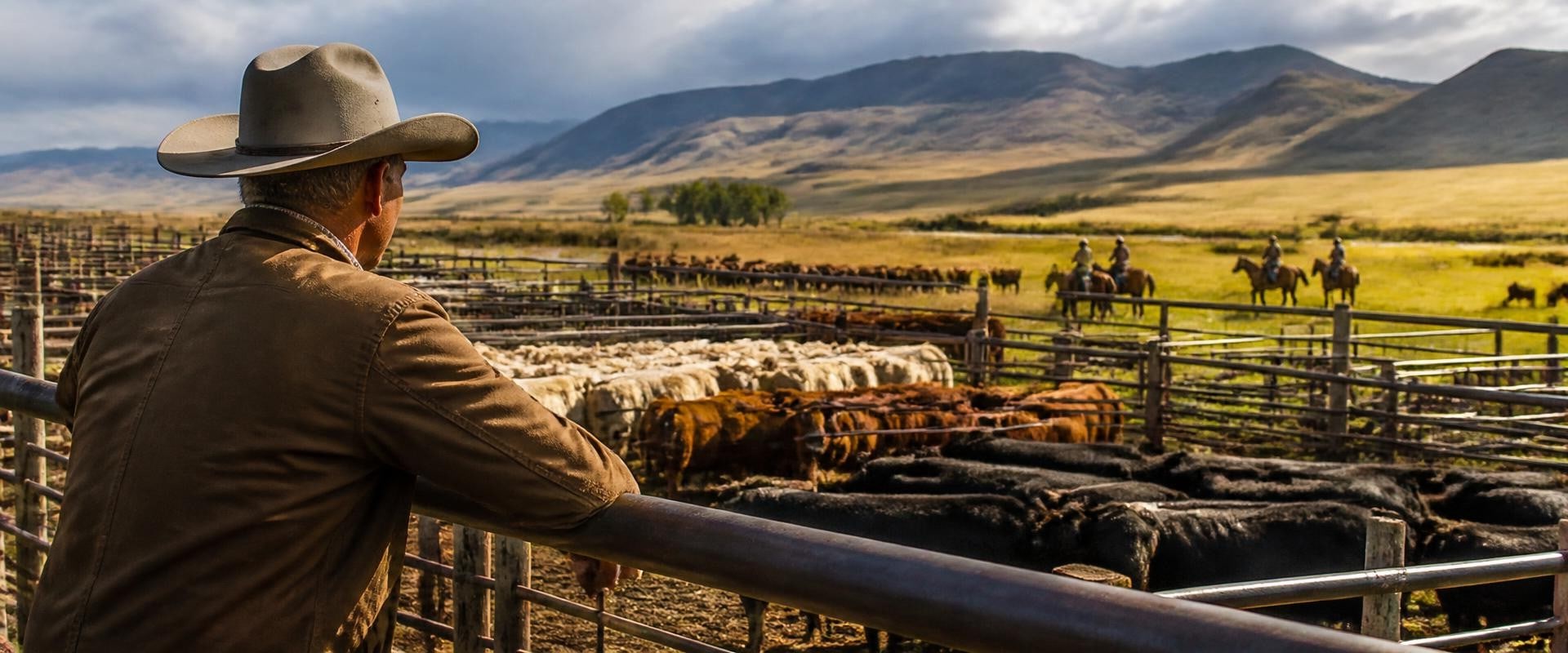
Livestock trading plays a crucial role in the agricultural economy of the United States, serving as a barometer for the health of the farming sector. As farmers and ranchers engage in livestock trading, they not only contribute to their local economies but also influence national market trends. Understanding how livestock prices fluctuate across different regions is essential for stakeholders, including producers, buyers, and investors, who rely on accurate pricing information to make informed decisions. The livestock market is influenced by a myriad of factors, including supply and demand dynamics, feed costs, weather conditions, and regional preferences for certain types of livestock. For instance, cattle prices may vary significantly between the Midwest and the Southeast due to differences in production practices and consumer demand.
Additionally, seasonal trends can impact prices; for example, prices may rise during holidays when demand for meat products peaks. As we delve deeper into the intricacies of livestock pricing, it becomes evident that understanding these regional differences is not just about numbers. It reflects broader economic patterns and consumer behaviors that shape the agricultural landscape. By examining how livestock prices compare across various regions in the U.S., we can gain valuable insights into the factors driving livestock trading and its implications for the future of agriculture.
Factors Influencing Livestock Prices
Understanding the factors influencing livestock prices is essential for anyone involved in livestock trading. Several key elements play a significant role in determining how prices fluctuate across different regions in the U.S.Supply and Demand Dynamics The most fundamental factor affecting livestock prices is the balance between supply and demand.When demand for meat products rises, prices typically increase, especially if supply cannot keep pace. Conversely, an oversupply of livestock can lead to lower prices. Regional differences in consumption patterns and production capabilities can create significant price variances.Seasonal Trends Seasonality also impacts livestock prices. For instance, certain times of the year, such as holidays or grilling seasons, see increased demand for beef and pork, which can drive prices up.
Understanding these seasonal trends is crucial for traders looking to optimize their buying and selling strategies.Economic Conditions The broader economic environment also plays a critical role. Factors such as inflation rates, feed costs, and overall economic health can influence livestock prices. For example, rising feed costs can squeeze profit margins for producers, leading to higher market prices as producers pass on costs to consumers.Market Trends Finally, keeping an eye on market trends is vital for anyone involved in livestock trading. This includes monitoring changes in consumer preferences, such as a shift towards organic or grass-fed products, which can affect demand and pricing structures.
Additionally, trade policies and international market conditions can also impact local livestock prices. In summary, a comprehensive understanding of these factors—supply and demand dynamics, seasonal trends, economic conditions, and market trends—is crucial for analyzing regional price differences in livestock trading.
Comparative Analysis of Livestock Prices
Understanding the regional price differences in livestock trading is crucial for farmers, investors, and stakeholders in the agricultural sector. Prices can vary significantly based on geographical location due to factors such as supply and demand, transportation costs, and local market conditions.For instance, the Midwest region, known for its extensive corn production, often sees lower prices for cattle due to the abundant feed supply. In contrast, regions like the Southeast may experience higher prices due to limited feed resources and increased transportation costs for livestock.Key Factors Influencing Price Variations
- Feed Costs: The availability and cost of feed directly impact livestock prices. Regions with high feed production typically enjoy lower livestock prices.
- Market Demand: Areas with a higher demand for meat products can drive prices up.
For example, urban centers often have higher livestock prices compared to rural areas.
- Transportation: Costs associated with transporting livestock can affect pricing. Regions farther from processing plants may see inflated prices due to these additional costs.
regions reveals significant disparities influenced by multiple factors. By leveraging data visualization tools, stakeholders can better navigate the complexities of livestock trading and optimize their strategies accordingly.
Impact of Local Regulations on Livestock Trading
The landscape of livestock trading in the United States is significantly influenced by local regulations, which vary widely from state to state. These regulations can dictate everything from animal welfare standards to market access, ultimately impacting livestock prices.State-Specific Regulations
- Animal Health Regulations: States often have specific health requirements that livestock must meet before they can be sold. For example, states with stringent health inspections may see higher costs associated with compliance, which can drive up prices for consumers.
- Transportation Laws: Regulations governing the transportation of livestock can also affect trading.
States with more restrictive transport laws may limit the movement of animals, creating regional shortages and consequently increasing prices.
- Market Access Policies: Some states have policies that favor local producers, which can create a competitive advantage for them but may also limit options for buyers. This can lead to price disparities between regions.
Impact on Pricing
The interplay between these regulations and livestock prices is complex. For instance, in states where regulations are more favorable to producers, such as tax incentives or subsidies for livestock farming, prices may be lower due to increased supply. Conversely, in regions where regulations are more burdensome, producers may pass on the costs to consumers, resulting in higher prices.
Regional Trading Policies
Additionally, regional trading policies can create significant differences in how livestock is valued across the country.
For example, states that participate in cooperative marketing programs may see more stable prices due to collective bargaining power. In contrast, states without such programs might experience greater price volatility.Understanding these local regulations and their implications is crucial for anyone involved in livestock trading. By staying informed about the regulatory environment in different regions, traders can make better decisions and potentially capitalize on market opportunities.
Future Trends in Livestock Pricing
As we look toward the future of livestock pricing, several key trends are emerging that could significantly impact livestock trading across the United States. Understanding these trends is crucial for farmers, traders, and investors alike.1.Technological Advancements
- The integration of technology in farming practices is expected to enhance productivity and efficiency.
Innovations such as precision agriculture and data analytics will allow farmers to make informed decisions, potentially stabilizing prices.
- Blockchain technology may also play a role in improving transparency in livestock trading, ensuring that buyers have access to accurate information about the origin and quality of livestock.
2.Climate Change Impacts
- Climate change is likely to affect livestock production through altered weather patterns, impacting feed availability and animal health. Regions that adapt quickly may see more stable prices, while others could face volatility.
- As consumers become more environmentally conscious, there may be a shift towards sustainable farming practices, influencing demand and pricing structures.
3.Global Market Influences
- The interconnectedness of global markets means that international demand for U.S. livestock will continue to shape domestic prices. Trade agreements and tariffs will play a significant role in determining how competitive U.S.
livestock remains on the world stage.
- Emerging markets in Asia and Africa are expected to increase their demand for meat products, which could drive up prices if supply does not keep pace.
4.Consumer Preferences
- Shifts in consumer preferences towards organic and grass-fed options are likely to influence pricing strategies within the livestock sector. Producers who can meet these demands may command higher prices.
- The rise of plant-based alternatives could also impact traditional livestock markets, leading to fluctuations in pricing as consumer habits evolve.
FAQs About Livestock Trading and Pricing
Understanding the intricacies of livestock trading can be daunting, especially when it comes to pricing. Here are some frequently asked questions that can help clarify common inquiries about livestock prices.- What factors influence livestock prices?
Livestock prices are influenced by various factors including feed costs, weather conditions, demand for meat, and regional market trends.Additionally, health regulations and trade policies can also play a significant role in pricing.
- How do regional differences affect livestock pricing?
Prices can vary significantly between regions due to differences in supply and demand, transportation costs, and local market conditions. For instance, areas with higher feed availability may see lower prices compared to regions where feed is scarce. - What are the common types of livestock traded?
The most commonly traded livestock includes cattle, hogs, sheep, and poultry. Each type has its own market dynamics and pricing structures. - How can I stay updated on livestock prices?
Keeping track of livestock prices can be done through various platforms such as the USDA's Agricultural Marketing Service, local agricultural extension offices, and online trading platforms that provide real-time data. - Are there seasonal trends in livestock pricing?
Yes, livestock prices often fluctuate seasonally. For example, prices may rise during holidays or peak grilling seasons when demand for meat increases.
Conclusion: Key Takeaways on Regional Livestock Prices
In conclusion, understanding the dynamics of livestock trading across different regions in the U.S.is crucial for traders and stakeholders in the agricultural sector. The analysis reveals several key takeaways that highlight the complexities and variances in livestock prices.
- Regional Price Disparities: Livestock prices can vary significantly from one region to another due to factors such as local demand, feed costs, and transportation expenses. For instance, the Midwest often sees lower prices due to higher production rates, while coastal regions may experience elevated prices influenced by import costs.
- Market Trends: Seasonal trends and market fluctuations play a vital role in determining livestock prices. Traders must stay informed about these trends to make timely decisions that can maximize profits.
- Impact of Regulations: Different states have varying regulations regarding livestock trading, which can affect pricing structures.
Understanding these regulations is essential for traders to navigate the market effectively.
- Consumer Preferences: Regional consumer preferences also impact livestock prices. For example, areas with a higher demand for organic or grass-fed products may see premium pricing compared to conventional livestock.