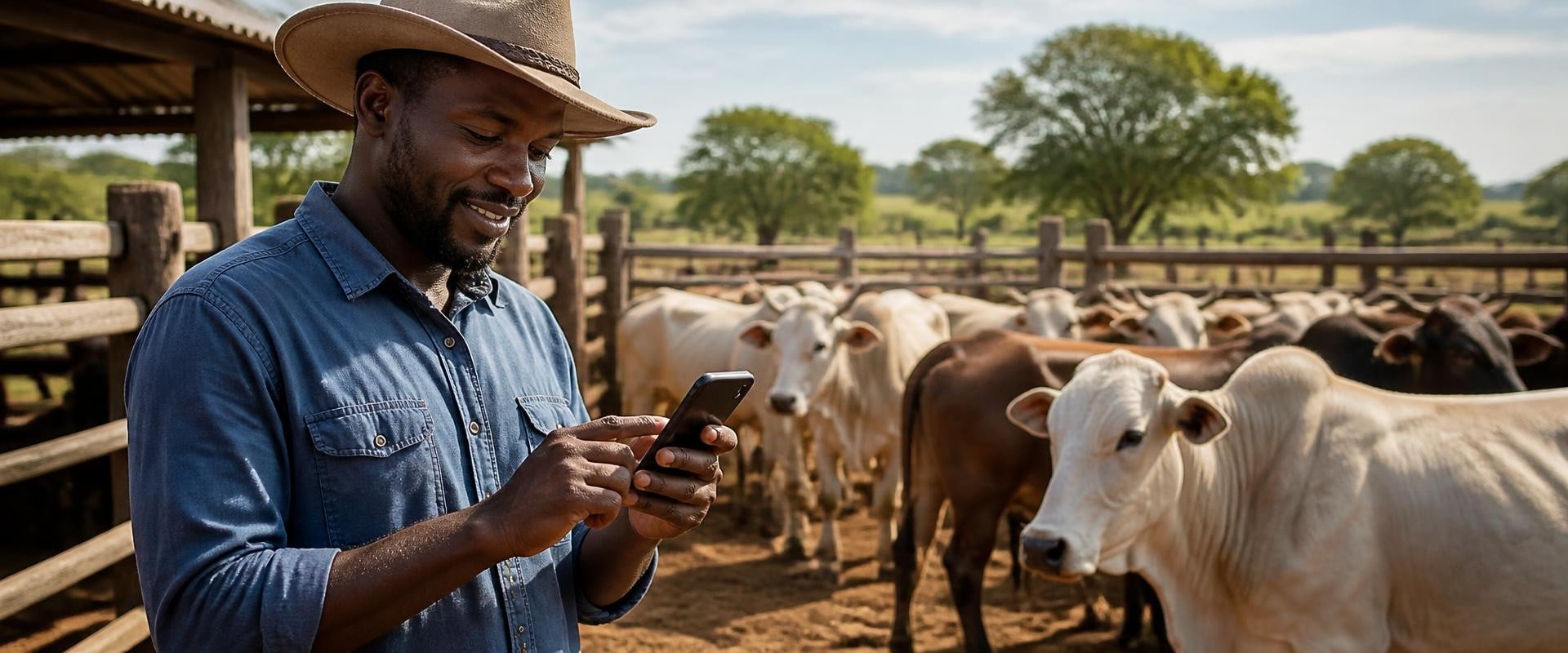
In today's digital age, social media has emerged as a powerful tool for various industries, and livestock trading is no exception. As traders seek innovative ways to connect with buyers and sellers, platforms like Facebook, Instagram, and Twitter offer unique opportunities to showcase livestock, share valuable insights, and build a community around their brand. Understanding how to leverage these platforms effectively can significantly enhance marketing strategies and drive sales. The visual nature of social media allows livestock traders to present their animals in an engaging manner. High-quality images and videos can highlight the health, quality, and characteristics of livestock, making them more appealing to potential buyers.
Furthermore, social media enables traders to share success stories, testimonials, and behind-the-scenes content that fosters trust and credibility within the market. Moreover, social media facilitates direct communication between traders and their audience. This interaction not only helps in addressing inquiries but also allows traders to gather feedback and understand market trends better. By actively engaging with followers through polls, Q&A sessions, or live demonstrations, livestock traders can create a loyal customer base that feels connected to their brand. As we delve deeper into specific strategies and benefits of using social media for livestock trading, it becomes clear that embracing these platforms is no longer optional but essential for success in the modern marketplace.
Identifying the Right Social Media Platforms for Livestock Traders
In the realm of livestock trading, selecting the right social media platforms is crucial for maximizing outreach and engagement.Each platform offers unique features and caters to different demographics, making it essential for traders to identify where their target audience spends their time.
- Facebook: With over 2.8 billion monthly active users, Facebook remains a dominant platform for livestock traders. Its diverse user base allows traders to connect with potential buyers and sellers through groups dedicated to livestock trading. Additionally, Facebook's advertising tools enable targeted marketing campaigns based on location, interests, and behaviors.
- Instagram: Known for its visual content, Instagram is ideal for showcasing livestock through high-quality images and videos. Traders can use Instagram Stories and Reels to provide behind-the-scenes looks at their operations or highlight specific animals for sale.
The platform's younger demographic may also attract new buyers interested in sustainable farming practices.
- Twitter: While not as visually oriented, Twitter is effective for real-time updates and engaging with the agricultural community. Livestock traders can share news, market trends, and insights while participating in relevant conversations using hashtags like #LivestockTrading or #FarmersMarket.
- YouTube: As a video-centric platform, YouTube allows traders to create informative content such as tutorials on livestock care or virtual farm tours. This not only builds credibility but also helps in establishing a brand presence within the livestock trading community.
- LinkedIn: For those focusing on B2B transactions, LinkedIn offers a professional network where traders can connect with suppliers, buyers, and industry experts. Sharing articles and insights related to livestock trading can position traders as thought leaders in the field.
By leveraging the unique strengths of each platform, traders can effectively reach their target audience and enhance their livestock trading endeavors.
Creating Engaging Content for Livestock Trading Audiences
In the realm of livestock trading, creating engaging content is essential for capturing the attention of potential buyers and sellers. The right mix of visuals, storytelling, and informative posts can significantly enhance your marketing efforts on social media.Visual Content: The Power of Images and Videos
High-quality images and videos are crucial in showcasing livestock. Consider posting:- Stunning Photos: Capture your livestock in natural settings, highlighting their health and quality. Use good lighting and angles to make them appealing.
- Video Tours: Create short videos that provide a virtual tour of your farm or ranch.
This not only showcases your livestock but also builds trust with potential customers.
- Before-and-After Clips: Show the transformation of animals through proper care and feeding, emphasizing your expertise in livestock trading.
Telling Compelling Stories
Storytelling can create a deeper connection with your audience. Share:- Success Stories: Highlight satisfied customers who have purchased livestock from you. Include testimonials that speak to the quality and health of the animals.
- Your Journey: Share your experiences in the livestock industry, including challenges faced and lessons learned. This personal touch can resonate with fellow traders.
- Educational Content: Provide tips on livestock care, breeding practices, or market trends.
This positions you as an authority in the field and encourages engagement.
Building a Strong Brand Presence on Social Media
Establishing a strong brand presence on social media is crucial for livestock trading businesses looking to attract and retain customers. A well-defined brand not only helps in differentiating your offerings but also builds trust and loyalty among potential buyers.1.Define Your Brand Identity
- Logo and Visuals: Create a memorable logo that reflects your business values and the essence of livestock trading.
Use consistent colors and fonts across all platforms to enhance recognition.
- Brand Voice: Develop a unique voice that resonates with your target audience. Whether it’s professional, friendly, or informative, ensure that your messaging remains consistent.
2.Consistent Messaging
Your messaging should align with your brand identity. Regularly share content that highlights your expertise in livestock trading, such as tips for buyers, market trends, and success stories. This not only positions you as an authority but also keeps your audience engaged.
3.Engage with Your Audience
- Respond Promptly: Engage with comments and messages quickly to show that you value customer interaction.
- Create Polls and Surveys: Use interactive content to gather feedback and understand the needs of your audience better.
4.Showcase Your Livestock
Utilize high-quality images and videos to showcase your livestock.
Highlight their health, breed characteristics, and any certifications they may have. This visual content can significantly enhance your brand's appeal and attract potential buyers.
5.Collaborate with Influencers
Partnering with influencers in the agricultural sector can amplify your reach. Choose individuals who align with your brand values and have a genuine following in the livestock trading community.By implementing these strategies, livestock traders can effectively build a strong brand presence on social media, ultimately leading to increased visibility and sales in the competitive market of livestock trading.
Utilizing Paid Advertising for Targeted Reach in Livestock Trading
In the competitive world of livestock trading, utilizing paid advertising on social media platforms can significantly enhance a trader's ability to reach targeted audiences. By investing in social media ads, livestock traders can tailor their marketing strategies to connect with specific demographics, ultimately increasing their sales opportunities.One of the primary advantages of paid advertising is the ability to define your audience based on various criteria, such as location, interests, and behaviors.This targeted marketing approach ensures that your ads are seen by individuals who are more likely to be interested in purchasing livestock.
Choosing the Right Platform
Different social media platforms offer unique advantages for livestock trading. For instance:- Facebook: With its extensive user base, Facebook allows traders to create detailed ad campaigns that can target specific groups, such as farmers or agricultural businesses.
- Instagram: This visually-driven platform is ideal for showcasing high-quality images of livestock, attracting potential buyers through engaging visuals.
- LinkedIn: For B2B transactions, LinkedIn can be effective in reaching industry professionals and businesses involved in agriculture.
Creating Compelling Ads
The success of your paid advertising campaign hinges on the quality of your ads. Here are some tips for creating compelling advertisements:- High-Quality Visuals: Use professional images or videos of your livestock to capture attention.
- Clear Messaging: Ensure your ad copy is concise and highlights key selling points, such as breed quality or health certifications.
- Call to Action: Include a strong call to action that encourages viewers to visit your website or contact you directly for inquiries.
Engaging with the Community: Building Relationships through Social Media
In the world of livestock trading, building strong relationships with customers and the broader community is essential for long-term success.Social media platforms provide an invaluable opportunity for traders to engage directly with their audience, fostering a sense of trust and loyalty.
Community Engagement Strategies
- Regular Updates: Share frequent updates about your livestock, including health checks, breeding information, and market trends. This transparency helps build credibility.
- Interactive Content: Use polls, quizzes, and Q&A sessions to encourage interaction. Asking your followers about their preferences or experiences can create a more engaged community.
- Behind-the-Scenes Insights: Showcase the daily operations of your livestock trading business. Sharing stories about your animals and the care they receive can humanize your brand and strengthen connections.
Building Customer Relationships
Engaging with customers on social media goes beyond just promoting sales.
It involves listening to their needs and responding promptly. Here are some effective ways to nurture these relationships:
- Personalized Responses: Take the time to respond to comments and messages personally. Acknowledging inquiries or feedback shows that you value their input.
- Customer Spotlights: Feature satisfied customers or successful transactions on your social media pages. This not only recognizes their loyalty but also encourages others to engage with your brand.
- Educational Content: Share informative posts about livestock care, market insights, or industry news.
Providing valuable information positions you as an expert in the field and builds trust among your followers.
Analyzing Performance: Measuring Success on Social Media Platforms
To effectively evaluate the impact of their social media marketing efforts, livestock traders must focus on key performance indicators (KPIs) that provide insights into their audience engagement and overall success. Understanding these metrics allows traders to make informed decisions and optimize their strategies.Key Performance Indicators to Track
- Engagement Rate: This metric measures the level of interaction (likes, shares, comments) that posts receive. A higher engagement rate indicates that the content resonates with the audience, which is crucial for building a loyal customer base.
- Reach and Impressions: Reach refers to the number of unique users who see a post, while impressions count how many times a post is displayed.
Monitoring these metrics helps traders understand their visibility and the effectiveness of their content distribution.
- Follower Growth: Tracking the increase in followers over time can indicate the effectiveness of marketing campaigns. A steady growth suggests that the trader's brand is gaining traction within the livestock community.
- Click-Through Rate (CTR): For posts that include links to products or services, measuring CTR helps assess how well the content drives traffic to a trader's website or online marketplace.
- Conversion Rate: Ultimately, the goal of social media marketing is to convert followers into customers. By tracking how many social media interactions lead to sales or inquiries, traders can gauge their return on investment (ROI).
By regularly reviewing these metrics, livestock traders can adapt their content and approach based on what works best for their audience.In conclusion, measuring success on social media is not just about vanity metrics; it’s about understanding what drives engagement and conversions. By focusing on relevant KPIs, livestock traders can enhance their marketing efforts and ultimately boost their business performance.
Case Studies: Successful Livestock Traders Using Social Media Effectively
In the realm of livestock trading, social media has emerged as a powerful tool for traders looking to enhance their marketing strategies. Here are some compelling case studies that illustrate how successful livestock traders have harnessed the potential of social media:1.Green Pastures Farm
Green Pastures Farm, a family-owned operation specializing in organic beef, utilized Instagram to showcase their farming practices and the quality of their livestock. By posting high-quality images and engaging stories about their cattle, they built a loyal following.Their posts often include behind-the-scenes looks at daily farm life, which resonate with consumers who value transparency in food sourcing.
2.Smith & Sons Livestock
Smith & Sons Livestock, a trader focused on sheep and goats, leveraged Facebook to create a community around their brand. They regularly host live Q&A sessions where potential buyers can ask questions about animal care and breeding practices. This interactive approach not only educates their audience but also fosters trust, leading to increased sales.3.Cattle Connection
Cattle Connection is an online marketplace that connects buyers and sellers of livestock. They effectively use Twitter to share market trends and insights, positioning themselves as thought leaders in the livestock trading industry.Their tweets often include links to informative blog posts and articles, driving traffic back to their website while keeping their audience informed.
4.The Goat Lady
A small-scale goat breeder known as The Goat Lady has successfully utilized TikTok to reach a younger audience interested in sustainable farming practices. Her entertaining videos showcase her goats' personalities and provide tips on goat care, making her content both educational and engaging. This innovative approach has significantly increased her visibility and customer base.These case studies highlight the diverse ways in which livestock traders can effectively use social media platforms to market their products, engage with customers, and build brand loyalty. By adopting similar strategies, traders can enhance their online presence and drive sales in an increasingly digital marketplace.FAQs about Social Media Marketing in Livestock Trading
As livestock trading continues to evolve, many traders are turning to social media as a powerful tool for marketing.Here are some frequently asked questions that can help clarify how to effectively utilize social media in this niche.
What social media platforms are best for livestock trading?
While there are numerous social media platforms available, Facebook, Instagram, and Twitter are particularly effective for livestock trading. Facebook allows for community building and targeted advertising, Instagram is great for showcasing high-quality images of livestock, and Twitter can be used for real-time updates and engagement.How can I create engaging content for my livestock trading business?
- High-quality images: Post clear and appealing photos of your livestock to attract potential buyers.
- Educational posts: Share tips on livestock care, market trends, and industry news to position yourself as an expert.
- Live videos: Use live streaming to showcase your livestock in real-time, allowing buyers to see them up close.
Should I use paid advertising on social media?
Yes, utilizing paid advertising can significantly enhance your reach. Platforms like Facebook offer targeted ads that allow you to reach specific demographics interested in livestock trading. This can lead to higher engagement rates and ultimately more sales.How often should I post on social media?
Consistency is key in social media marketing.Aim to post at least 2-3 times a week. This keeps your audience engaged without overwhelming them with content. Monitor engagement metrics to adjust your posting frequency based on what resonates with your audience.
Can social media help me connect with other traders?
Absolutely! Social media platforms provide an excellent opportunity to network with other livestock traders. Join relevant groups, participate in discussions, and share insights.Building relationships within the community can lead to valuable partnerships and collaborations.By addressing these common questions, livestock traders can better navigate the world of social media marketing and leverage it effectively for their businesses.
Conclusion: Key Takeaways for Livestock Traders Utilizing Social Media
In conclusion, leveraging social media for livestock trading presents a unique opportunity for traders to enhance their marketing strategies and reach a broader audience. Here are the key takeaways that livestock traders should consider:- Engagement is Crucial: Actively engaging with your audience through comments, messages, and posts can build trust and foster relationships. Responding promptly to inquiries can set you apart from competitors.
- Visual Content Matters: High-quality images and videos of livestock can significantly increase interest and engagement. Showcasing your animals in their natural environment or during feeding can attract potential buyers.
- Targeted Advertising: Utilize the advertising tools available on platforms like Facebook and Instagram to target specific demographics interested in livestock trading.
This can help you reach potential buyers more effectively.
- Educational Content: Sharing informative content about livestock care, breeding practices, and market trends can position you as an authority in the field. This not only attracts followers but also builds credibility.
- Networking Opportunities: Social media allows for connections with other traders, suppliers, and industry experts. Building a network can lead to collaborations and increased visibility.
Embrace these tools to not only promote your livestock but also to create a community around your brand.