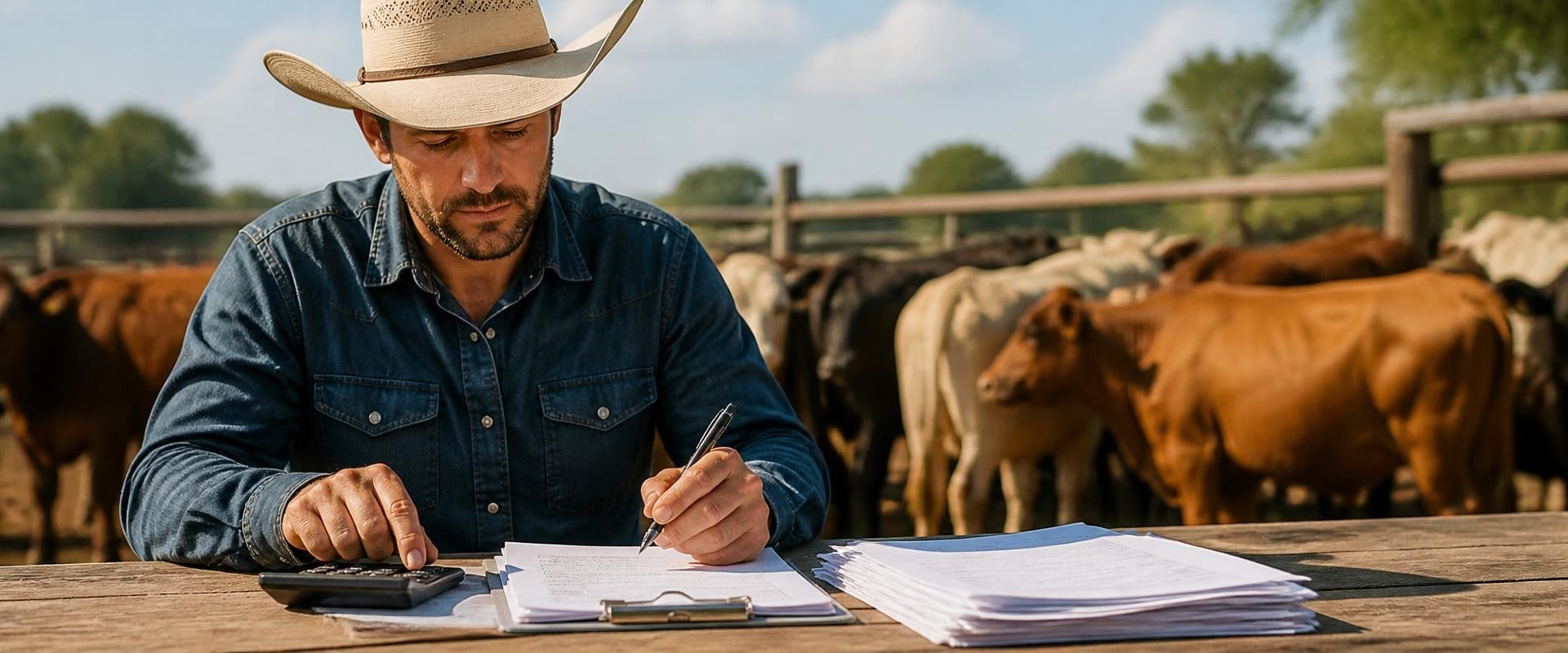
Livestock trading plays a crucial role in the agricultural economy, serving as a vital link between producers and consumers. This dynamic market involves the buying and selling of various animals, including cattle, sheep, pigs, and poultry, which are essential for food production and other agricultural products. Understanding the intricacies of livestock trading is not only important for farmers and traders but also for anyone involved in the broader agricultural sector. As the demand for meat and dairy products continues to rise globally, the livestock market has become increasingly competitive. Traders must navigate various factors such as market trends, animal health regulations, and pricing strategies to succeed.
However, one aspect that often gets overlooked is the tax implications associated with livestock trading. These implications can significantly impact profitability and financial planning. For traders, being aware of how livestock transactions are taxed is essential for maintaining compliance with federal and state regulations. Different types of livestock may have varying tax treatments, and understanding these nuances can help traders make informed decisions that optimize their tax liabilities. As we delve deeper into this topic, we will explore the specific tax implications of livestock trading and why they matter for anyone engaged in this vital industry.
Overview of Livestock Trading
Livestock trading refers to the buying and selling of farm animals, which can include cattle, sheep, goats, pigs, and poultry.This practice is a crucial component of the agricultural economy, providing farmers and ranchers with the ability to manage their herds effectively and respond to market demands.There are several types of livestock trading that individuals and businesses engage in:
- Direct Sales: Farmers sell their livestock directly to consumers or local markets.
- Auction Markets: Livestock is sold at public auctions where buyers bid on animals.
- Online Platforms: Digital marketplaces have emerged, allowing for livestock trading over the internet.
- Wholesale Trading: Larger operations may sell livestock in bulk to processors or retailers.
Understanding these market dynamics is essential for anyone involved in livestock trading, as it helps them make informed decisions about when to buy or sell their animals.
Tax Classification of Livestock Trading
Understanding the tax classification of livestock trading is crucial for farmers and traders alike, as it directly impacts their financial outcomes. The Internal Revenue Service (IRS) categorizes livestock trading primarily into two classifications: capital gains and ordinary income.Capital Gains Tax on Livestock Trading
- If livestock is held for more than one year before being sold, any profit from the sale may qualify as a long-term capital gain. This classification typically results in a lower tax rate compared to ordinary income.
- Conversely, if livestock is sold within one year of purchase, the profits are considered short-term capital gains, which are taxed at the individual's ordinary income tax rate.
- It’s important to note that certain types of livestock, such as breeding stock, may have different implications under capital gains tax rules.
Ordinary Income from Livestock Trading
- When livestock is sold as part of a business operation, the profits are generally classified as ordinary income. This applies to situations where the primary purpose of holding the livestock is for resale rather than investment.
- The IRS requires that all income derived from livestock trading be reported, regardless of whether it falls under capital gains or ordinary income.
This means that accurate record-keeping is essential for compliance and tax planning.
- Additionally, expenses related to the care and maintenance of livestock can often be deducted from ordinary income, potentially lowering the overall tax burden.
Tax Obligations for Livestock Traders
Engaging in livestock trading comes with specific tax obligations that traders must understand to ensure compliance with IRS regulations. The primary responsibility of livestock traders is to accurately report their income derived from these transactions.Reporting Income from Livestock Trading
- Livestock traders must report all income received from the sale of livestock on their tax returns. This includes not only cash sales but also any barter transactions where livestock is exchanged for goods or services.
- Income should be reported in the year it is received, regardless of when the livestock was purchased or raised.
- Traders should maintain detailed records of all transactions, including purchase and sale dates, amounts, and any associated costs, to substantiate their income claims.
IRS Regulations for Livestock Traders
- The IRS categorizes livestock as property, which means that gains or losses from sales are treated as capital gains or losses.
This classification can affect how profits are taxed.
- Traders may qualify for special tax treatment under Section 1231 of the Internal Revenue Code, which allows for the deferral of taxes on gains from the sale of livestock held for more than one year.
- It is crucial for traders to differentiate between ordinary income and capital gains when filing taxes, as this distinction can significantly impact tax liabilities.
Deductions and Credits Available for Livestock Traders
When engaging in livestock trading, understanding the available tax deductions and credits can significantly impact your overall tax liability.Farmers and livestock traders can take advantage of various deductions that help reduce their taxable income, ultimately leading to substantial savings.
Common Tax Deductions for Livestock Traders
- Cost of Goods Sold (COGS): This includes the purchase price of livestock, feed, and other direct costs associated with raising and selling animals.
- Operating Expenses: Expenses such as veterinary care, breeding costs, and transportation fees can be deducted. Keeping detailed records of these expenses is crucial for maximizing deductions.
- Depreciation: Livestock traders can depreciate assets like barns, equipment, and vehicles used in their operations over time, providing a significant tax benefit.
- Interest on Loans: If you have taken out loans to finance your livestock trading operations, the interest paid on these loans may be deductible.
Tax Credits for Farmers
In addition to deductions, there are specific tax credits available that can further reduce tax liabilities for livestock traders:
- Investment Tax Credit (ITC): This credit is available for investments in certain types of property used in farming operations, including equipment and facilities.
- Renewable Energy Credits: If you invest in renewable energy systems for your farm, such as solar panels or wind turbines, you may qualify for additional credits.
Documenting Expenses in Livestock Trading
To fully benefit from these deductions and credits, it is essential to maintain accurate records of all expenses related to your livestock trading activities. This includes receipts, invoices, and any other documentation that supports your claims. By doing so, you not only ensure compliance with IRS regulations but also maximize your potential tax savings.In conclusion, understanding the various deductions and credits available to livestock traders is vital for effective tax planning.
By leveraging these opportunities, you can significantly reduce your taxable income and enhance the profitability of your livestock trading business.
Record Keeping and Documentation for Tax Purposes
Maintaining accurate records and documentation is crucial for anyone involved in livestock trading. Proper record keeping not only helps in managing your business effectively but also ensures compliance with tax regulations. The IRS requires that all income and expenses related to livestock trading be documented meticulously to substantiate claims during tax filing.Types of Records to Maintain:
- Sales Records: Keep detailed records of all livestock sales, including dates, amounts received, and buyer information. This documentation is essential for reporting income accurately.
- Purchase Records: Document all purchases of livestock, including purchase price, date, and seller details.
This information is vital for calculating your cost basis and determining profit margins.
- Expense Records: Track all expenses related to livestock trading, such as feed, veterinary care, transportation, and facility maintenance. These expenses can often be deducted from your taxable income.
- Inventory Records: Maintain an up-to-date inventory of your livestock. This includes tracking births, deaths, and sales to provide a clear picture of your assets.
The Importance of Documentation:
In the event of an audit, having comprehensive documentation can protect you from potential penalties. The IRS may require proof of income and expenses, and without proper records, you risk losing deductions or facing additional taxes.
Furthermore, accurate financial records can help you make informed decisions about your livestock trading operations.
Best Practices for Record Keeping:
- Use accounting software tailored for agricultural businesses to streamline record keeping.
- Regularly update your records to avoid backlog and ensure accuracy.
- Consider consulting with a tax professional who specializes in agriculture to ensure compliance with current tax laws.
Common Tax Mistakes in Livestock Trading
When engaging in livestock trading, it’s crucial to be aware of the common tax mistakes that can lead to significant financial repercussions. Many traders overlook specific details in their reporting, which can result in penalties or missed deductions.- Misclassifying Livestock: One of the most frequent errors is misclassifying livestock for tax purposes. Traders often fail to distinguish between breeding stock and livestock held for sale, which can affect the applicable tax rates and deductions.
- Neglecting to Keep Accurate Records: Inadequate record-keeping is another common pitfall.
Traders should maintain detailed records of all transactions, including purchase and sale dates, costs, and any associated expenses. This documentation is vital for substantiating claims during audits.
- Ignoring Depreciation: Many livestock traders overlook the potential tax benefits of depreciation. Livestock can be depreciated over time, allowing traders to reduce their taxable income. Failing to account for this can lead to higher tax liabilities.
- Not Reporting Gains and Losses: Some traders mistakenly believe that they do not need to report gains or losses from livestock sales if they are not substantial.
However, all income must be reported, regardless of the amount.
- Overlooking State-Specific Regulations: Tax laws can vary significantly by state. Livestock traders must familiarize themselves with local regulations to avoid compliance issues that could lead to fines or penalties.
- Consult a Tax Professional: Engaging with a tax advisor who specializes in agricultural businesses can provide tailored guidance and help navigate complex tax laws.
- Utilize Accounting Software: Investing in accounting software designed for agricultural operations can streamline record-keeping and ensure accurate reporting.
- Stay Informed: Regularly update yourself on changes in tax legislation that may impact your livestock trading activities.
State-Specific Tax Considerations for Livestock Trading
When engaging in livestock trading, it is crucial to understand that tax obligations can vary significantly from state to state. Each state has its own set of regulations and tax structures that can impact how livestock traders report their income and expenses.State Taxes on Livestock Trading
Many states impose specific taxes on the sale of livestock, which can include sales tax, income tax, or even property tax depending on how the livestock is classified. For instance, some states may exempt certain types of livestock from sales tax, while others may require traders to collect and remit sales tax on all transactions.It is essential for traders to familiarize themselves with their state's tax code to ensure compliance.
Local Regulations on Livestock Taxes
In addition to state taxes, local jurisdictions may have their own regulations regarding livestock trading. This can include additional taxes or fees that are not applicable at the state level. Traders should consult local ordinances or work with a tax professional who understands the nuances of local taxation to avoid unexpected liabilities.State-Specific Deductions
Another important consideration for livestock traders is the availability of state-specific deductions. Some states offer deductions for expenses related to livestock production, such as feed costs, veterinary expenses, and equipment purchases.Understanding these deductions can significantly reduce taxable income and improve overall profitability. Traders should keep detailed records of all expenses and consult with a tax advisor to maximize their deductions.In summary, navigating the tax implications of livestock trading requires a thorough understanding of both state and local regulations. By staying informed about applicable taxes and potential deductions, traders can better manage their financial obligations and enhance their business operations.
FAQs About Tax Implications of Livestock Trading
When it comes to livestock trading, understanding the tax implications is crucial for traders to ensure compliance and optimize their financial outcomes. Here are some frequently asked questions that can help clarify common concerns:- What types of taxes apply to livestock trading?
Livestock traders may be subject to various taxes, including income tax on profits from sales, self-employment tax if trading is considered a business, and potentially sales tax depending on state regulations. - How is profit from livestock trading calculated?
The profit is generally calculated as the difference between the selling price and the purchase price of the livestock.It’s important to keep detailed records of all transactions to substantiate these figures.
- Are there any deductions available for livestock traders?
Yes, traders can often deduct expenses related to their trading activities, such as feed, veterinary care, and transportation costs. Additionally, depreciation on livestock may also be applicable. - What about capital gains tax?
If livestock is held for more than one year before being sold, any profit may be subject to capital gains tax rates, which can be lower than ordinary income tax rates. - Do I need to report livestock trading on my tax return?
Absolutely. All income from livestock trading must be reported on your tax return. Failure to do so can result in penalties and interest on unpaid taxes.
For personalized advice, consulting with a tax professional who specializes in agricultural taxation is highly recommended.
Conclusion: Navigating Taxes in Livestock Trading Successfully
In conclusion, understanding the tax implications of livestock trading is crucial for anyone involved in this industry. As we have explored, the complexities of tax regulations can significantly impact profitability and operational decisions. By being aware of the various tax obligations, traders can better navigate their financial responsibilities and optimize their trading strategies.Key points to remember include:- Record Keeping: Maintaining accurate records of all transactions is essential. This includes purchase and sale prices, dates, and any associated costs.
Good record-keeping not only simplifies tax reporting but also provides valuable insights into your trading performance.
- Understanding Tax Categories: Livestock trading may fall under different tax categories, such as capital gains or ordinary income. Knowing how your trades are classified can help you plan your tax strategy effectively.
- Deductions and Credits: Familiarize yourself with potential deductions related to livestock trading, such as feed costs, veterinary expenses, and depreciation on equipment. These can significantly reduce your taxable income.
- Consulting Professionals: Given the intricacies of tax laws, consulting with a tax professional who specializes in agriculture or livestock trading can provide tailored advice and ensure compliance with all regulations.