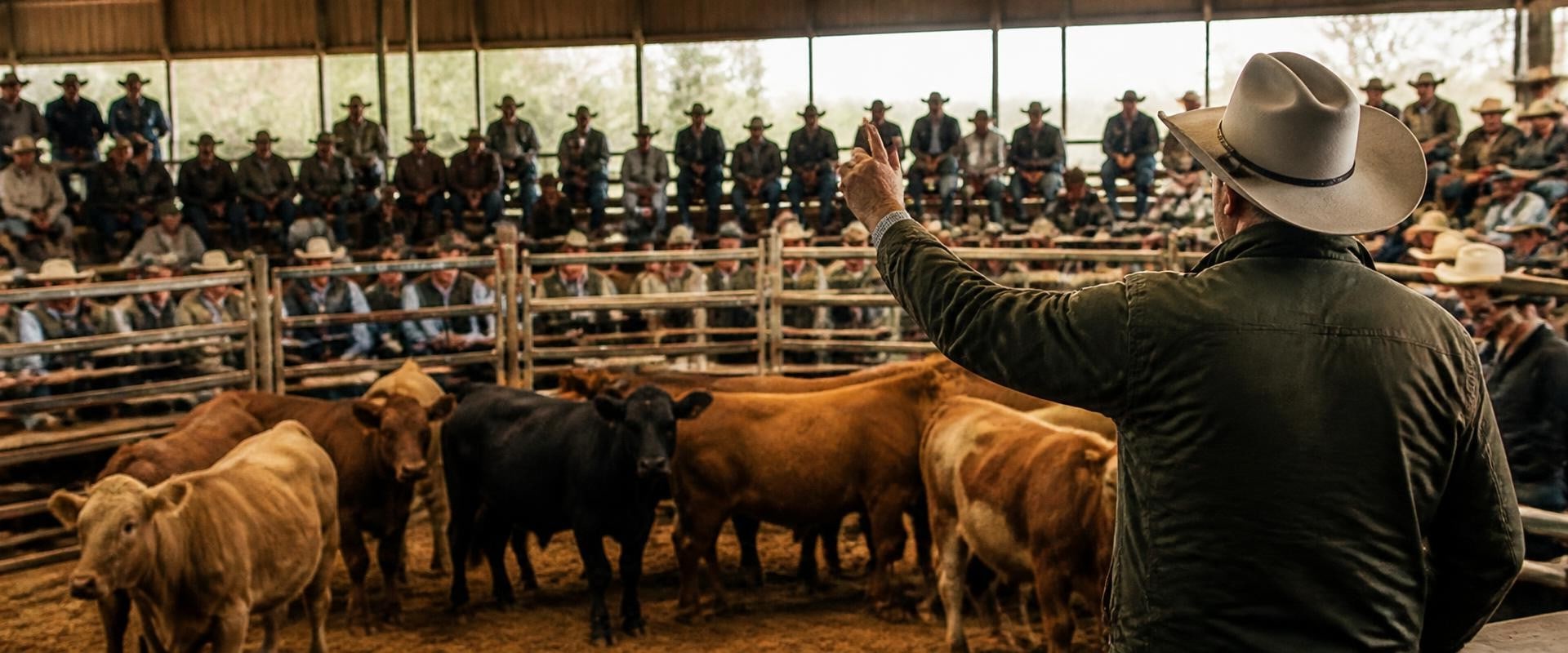
In the dynamic world of livestock trading, auctions serve as a pivotal mechanism that not only facilitates transactions but also shapes market trends. Livestock auctions bring together buyers and sellers in a competitive environment, allowing for real-time bidding that reflects the current demand and supply dynamics. This process is essential for establishing fair market prices, as it enables participants to gauge the value of livestock based on various factors such as breed, age, health, and market conditions. The significance of auctions in livestock trading extends beyond mere price determination. They create a vibrant marketplace where farmers, ranchers, and buyers can interact directly, fostering relationships that can lead to future business opportunities.
Auctions also provide a platform for sellers to showcase their livestock, ensuring that quality animals are highlighted and attracting serious buyers who are willing to invest in premium stock. Moreover, the auction format encourages transparency in transactions. Buyers can observe the bidding process and make informed decisions based on the competitive nature of the auction. This transparency not only builds trust among participants but also enhances the overall efficiency of the livestock trading ecosystem. As we delve deeper into this topic, it becomes clear that auctions are not just events; they are integral to the functioning and evolution of livestock markets.
The Basics of Livestock Trading
Livestock trading refers to the buying and selling of farm animals, which plays a crucial role in the agricultural economy.This practice not only supports farmers and ranchers but also ensures a steady supply of meat, dairy, and other animal products to consumers. Understanding the fundamentals of livestock trading is essential for anyone interested in the agricultural sector.At its core, livestock trading involves various types of animals, each serving different purposes within the market. The most commonly traded livestock includes:
- Cattle: Primarily raised for beef production, cattle are a significant component of the livestock market.
- Pigs: Known for their rapid growth and high feed conversion efficiency, pigs are another vital source of meat.
- Sheep: Raised for both meat (lamb) and wool, sheep contribute to diverse agricultural outputs.
- Goats: Increasingly popular for their meat and milk, goats are becoming a staple in many markets.
- Poultry: Chickens, turkeys, and ducks are essential for egg and meat production.
This competitive bidding process helps establish fair market prices and allows sellers to maximize their profits.In summary, understanding the basics of livestock trading involves recognizing the types of animals involved and the dynamics of the market. As demand for animal products continues to grow globally, effective trading practices will be essential for sustaining this vital industry.
How Auctions Function in Livestock Trading
Livestock auctions serve as a vital mechanism in the livestock trading industry, facilitating the buying and selling of animals through a structured process. Understanding how these auctions function is crucial for both buyers and sellers.How Livestock Auctions Work
The auction process typically begins with the listing of livestock. Sellers prepare their animals for auction by ensuring they meet health standards and are in good condition.
Once ready, they register their livestock with the auction house, providing details such as breed, age, and health status.On the day of the auction, animals are displayed for potential buyers to inspect. This is a critical phase where buyers assess the quality of livestock before placing bids. The auctioneer then initiates the bidding process, often starting at a predetermined minimum price.
The Auction Process in Livestock Trading
- Bidding: Buyers raise their paddles or signal to indicate their bids. The auctioneer calls out prices, and bidding continues until no higher offers are made.
- Closing: Once bidding ceases, the highest bidder wins the animal.
The auctioneer confirms the sale and collects payment from the buyer.
- Transfer: After payment is processed, ownership is transferred to the buyer, who then arranges for transportation of the livestock.
Auction Types
There are various types of livestock auctions that cater to different needs:
- Traditional Auctions: These are live events where bidders participate in person or via phone.
- Online Auctions: Increasingly popular, these allow buyers to bid remotely through digital platforms.
- Private Treaty Sales: In some cases, sellers may opt for direct negotiations rather than an auction format.
Benefits of Using Auctions for Livestock Trading
Auction systems play a pivotal role in livestock trading, offering numerous advantages that benefit both sellers and buyers. One of the primary benefits is the efficiency of the auction process. Auctions are designed to facilitate quick transactions, allowing sellers to reach a wide audience of potential buyers in a short amount of time.This rapid turnover can significantly reduce the time livestock spend on the market, minimizing holding costs for sellers.Another key advantage is transparency. Auctions provide a public platform where prices are determined through competitive bidding. This transparency helps to establish fair market values for livestock, ensuring that sellers receive a price reflective of current demand. Buyers also benefit from this transparency, as they can see how much others are willing to pay, which aids in making informed purchasing decisions.Moreover, auctions foster a competitive environment that can lead to better pricing for both parties.
Sellers often find that competitive bidding drives prices higher than they might achieve through private sales. For buyers, the auction format allows them to gauge the market and potentially secure livestock at a lower price if they are strategic in their bidding.
- Advantages for Sellers:
- Quick sales process reduces holding costs.
- Access to a larger pool of buyers increases competition.
- Market-driven pricing ensures fair value for livestock.
- Benefits for Buyers:
- Opportunity to purchase livestock at competitive prices.
- Ability to assess livestock quality firsthand before bidding.
- Transparency in pricing fosters trust in the buying process.
Challenges and Risks Associated with Auctions in Livestock Trading
While auctions can be an effective method for livestock trading, they are not without their challenges and risks. Participants, whether buyers or sellers, must navigate a landscape filled with potential pitfalls that can impact their overall experience and financial outcomes.Risks of Livestock Auctions
One of the primary risks associated with livestock auctions is the uncertainty of pricing.Prices can fluctuate significantly based on demand, competition, and the quality of the livestock being sold. This unpredictability can lead to buyers overpaying or sellers receiving less than expected.
Challenges in the Auction Process
- Time Constraints: Auctions are often time-sensitive events. Buyers may feel rushed to make decisions, which can lead to impulsive purchases.
- Quality Assessment: Evaluating the health and quality of livestock in a short time frame can be challenging. Buyers may lack the expertise needed to make informed decisions.
- Competition: Intense bidding wars can drive prices up quickly, making it difficult for some buyers to stay within their budget.
Buyer and Seller Concerns
Both buyers and sellers have specific concerns that can affect their participation in auctions:- Buyers: They often worry about the health status of the animals, potential hidden defects, and whether they are getting fair value for their investment.
- Sellers: Concerns include ensuring that their livestock is presented well and that they receive a competitive price.
Additionally, sellers may fear that their animals will not attract enough interest from buyers.
The Role of Technology in Modern Livestock Auctions
The landscape of livestock trading has undergone a significant transformation due to advancements in technology, particularly in the realm of auctions. Traditional livestock auctions, once characterized by in-person bidding and physical presence, are increasingly being replaced by online auctions for livestock. This shift not only enhances accessibility but also broadens the market reach for sellers and buyers alike.One of the most notable trends is the rise of digital platforms that facilitate real-time bidding.These platforms allow participants to engage in auctions from anywhere in the world, breaking down geographical barriers that previously limited participation. As a result, sellers can attract a larger pool of potential buyers, leading to more competitive bidding and potentially higher prices for their livestock.
Key Innovations in Online Livestock Auctions:
- Live Streaming: Many online auction platforms now offer live streaming of the auction process, allowing bidders to see the animals and hear descriptions in real-time, mimicking the experience of a physical auction.
- Mobile Applications: With the proliferation of smartphones, dedicated mobile apps have emerged, enabling users to place bids and monitor auctions on-the-go.
- Data Analytics: Advanced analytics tools provide insights into market trends and pricing, helping buyers make informed decisions based on historical data.
From blockchain technology ensuring traceability to artificial intelligence optimizing pricing strategies, the future of livestock trading is poised for exciting developments that will benefit all stakeholders involved.
Case Studies: Successful Livestock Auctions
Understanding the dynamics of livestock trading can be greatly enhanced by examining successful auction case studies. These examples not only highlight effective strategies but also demonstrate the potential for profitability and community engagement.Case Study 1: The Texas Cattle Auction
One of the most notable examples is the Texas Cattle Auction, which has been a cornerstone of livestock trading in the region for over 50 years. This auction employs a combination of traditional bidding and online platforms, allowing buyers from across the country to participate. In 2022, they reported a record turnout, with over 1,500 head of cattle sold in a single day, achieving prices that exceeded market expectations by 15%.This success can be attributed to their robust marketing strategies and strong relationships with local ranchers.
Case Study 2: The Midwest Sheep Sale
Another compelling example is the Midwest Sheep Sale, which focuses on promoting livestock trading among sheep farmers. By implementing educational workshops prior to the auction, they prepare sellers on best practices for showcasing their livestock. In 2023, this approach resulted in a 30% increase in sales compared to previous years. The auction also emphasizes transparency in pricing, which builds trust among buyers and sellers alike.Case Study 3: The National Swine Auction
The National Swine Auction has revolutionized its approach by integrating technology into its operations.Utilizing an online bidding system alongside live auctions has expanded their reach significantly. In their latest event, they attracted bidders from multiple states, leading to a remarkable increase in average sale prices by 20%. Their success story underscores the importance of adapting to technological advancements in livestock trading.These case studies illustrate that successful livestock auctions are not merely about selling animals; they involve strategic planning, community involvement, and embracing innovation. By learning from these examples, other auctions can enhance their operations and contribute positively to the livestock trading ecosystem.
Frequently Asked Questions About Livestock Auctions
Livestock auctions are a vital component of the livestock trading industry, and many people have questions about how they operate.Below are some frequently asked questions that can help clarify common doubts.
What is a livestock auction?
A livestock auction is a marketplace where farmers and ranchers can buy and sell animals, such as cattle, sheep, and pigs. These auctions typically take place in a physical location or online, allowing for competitive bidding among buyers.How does the bidding process work?
During a livestock auction, sellers present their animals to potential buyers. Bidders then place offers on the animals they are interested in. The auctioneer facilitates the process, calling out bids until no higher offers are made.The highest bidder wins the animal.
What are some common terms used in livestock auctions?
- Reserve Price: The minimum price a seller is willing to accept for their livestock.
- Buyer’s Premium: An additional fee paid by the buyer on top of the winning bid, usually a percentage of the final sale price.
- Lot: A group of animals sold together at auction.
Why should I participate in livestock auctions?
Participating in livestock auctions can provide access to a wider variety of animals and competitive pricing. Buyers can often find high-quality livestock at reasonable prices, while sellers can reach a larger audience than they might through private sales.Are there any risks involved?
Like any market, there are risks associated with livestock trading. Buyers should conduct thorough inspections and research before bidding to ensure they are making informed decisions. Sellers must also be aware of market trends to set appropriate reserve prices.Understanding these aspects of livestock auctions can enhance your experience and success in livestock trading.Conclusion: The Future of Auctions in Livestock Trading
As we reflect on the evolving landscape of livestock trading, it is clear that auctions have played a pivotal role in shaping the industry.Throughout this article, we have explored how auctions facilitate not only the buying and selling of livestock but also foster transparency and competition among buyers and sellers. This dynamic environment encourages fair pricing and helps producers maximize their profits.Looking ahead, the future of auctions in livestock trading appears promising, particularly with the integration of technology. Online auction platforms are becoming increasingly popular, allowing participants to engage in bidding from anywhere in the world. This shift not only broadens the market reach for sellers but also attracts a diverse pool of buyers, enhancing competition and potentially driving prices higher.
Adapting to Market Changes
Moreover, as consumer preferences evolve towards more sustainable and ethically sourced products, auctions can adapt by promoting livestock that meets these criteria.By highlighting quality and sustainability, auction houses can attract buyers who are willing to pay a premium for livestock that aligns with their values.