Livestock trading plays a crucial role in the agricultural economy, serving as a vital link between producers and consumers. The health of livestock is paramount in this sector, as it directly influences the quality and safety of the animals being traded. Healthy animals not only fetch better prices but also ensure that buyers receive livestock that can thrive in their environments. Conversely, the presence of diseases can severely impact trading dynamics, leading to financial losses and market instability.Understanding the common livestock diseases that can affect these transactions is essential for anyone involved in the industry.
Diseases such as foot-and-mouth disease, avian influenza, and bovine tuberculosis can spread rapidly among herds, resulting in quarantines and trade restrictions. These health issues not only threaten animal welfare but also pose significant risks to the economic viability of livestock trading. Buyers are increasingly cautious, often requiring health certifications before making purchases, which adds another layer of complexity to the trading process.As we delve deeper into this topic, it becomes clear that maintaining animal health is not just a matter of ethical responsibility; it is also a strategic business decision. The ability to identify and manage livestock diseases effectively can enhance trading opportunities and foster trust between buyers and sellers.
In this context, understanding the intersection of livestock health and trading practices is essential for anyone looking to succeed in this competitive market.
Overview of Common Livestock Diseases
Understanding the common diseases that affect livestock is crucial for maintaining livestock health and ensuring successful livestock trading. Various diseases can significantly impact the productivity and marketability of livestock, leading to economic losses for farmers and traders alike.Some of the most prevalent diseases include:- Bovine Respiratory Disease (BRD) : This is a complex disease affecting cattle, often triggered by stress and environmental factors. It can lead to severe respiratory issues, impacting growth rates and overall health.
- Foot-and-Mouth Disease (FMD) : Highly contagious, FMD affects cloven-hoofed animals and can result in severe production losses. Outbreaks can lead to trade restrictions, making it a significant concern for livestock traders.
- Porcine Reproductive and Respiratory Syndrome (PRRS) : This viral disease affects pigs, causing reproductive failure in breeding stock and respiratory issues in young pigs.
Its prevalence can severely impact pork production and trade.
- Avian Influenza : Commonly known as bird flu, this viral infection affects poultry and can lead to high mortality rates. Outbreaks often result in trade bans, affecting poultry markets globally.
- Scrapie : A fatal disease affecting sheep and goats, scrapie is a prion disease that poses significant risks to flock health. Its presence can deter buyers in the livestock market.
By prioritizing animal health through preventive measures and timely interventions, traders can safeguard their investments and contribute to a more stable market.
Bacterial Diseases in Livestock
Bacterial diseases pose significant threats to livestock health and can severely impact livestock trading. Understanding these diseases is crucial for farmers and traders alike.Some of the most common bacterial diseases affecting livestock include:- Brucellosis: This disease is caused by the Brucella bacteria and primarily affects cattle, sheep, and goats. Symptoms include fever, weight loss, and reproductive issues such as abortions. Brucellosis can spread through contaminated feed or direct contact with infected animals, making it a major concern for livestock trading.
- Leptospirosis: Caused by Leptospira bacteria, this disease affects a variety of animals, including cattle and pigs.
Symptoms may include fever, jaundice, and kidney damage. Transmission occurs through contact with contaminated water or soil, which can lead to outbreaks in herds and affect trading opportunities.
- Johne's Disease: This chronic intestinal infection is caused by Mycobacterium avium subspecies paratuberculosis. It primarily affects cattle and leads to severe weight loss and diarrhea. The slow progression of the disease can make it difficult to detect early, posing risks during trading as infected animals may be sold unknowingly.
- Foot-and-Mouth Disease (FMD): Although primarily viral, secondary bacterial infections can complicate FMD cases.
This highly contagious disease affects cloven-hoofed animals and can lead to significant economic losses due to trade restrictions imposed during outbreaks.
Viral Diseases Affecting Livestock
Viral diseases pose significant threats to livestock health, impacting not only the animals themselves but also the livestock trading industry.Understanding these diseases is crucial for farmers, traders, and veterinarians alike.Some of the most common viral diseases in livestock include:
- Foot-and-Mouth Disease (FMD): Highly contagious and affects cloven-hoofed animals, leading to severe economic losses due to trade restrictions.
- Avian Influenza: Primarily affects poultry, causing high mortality rates and resulting in significant trade barriers.
- Bovine Viral Diarrhea (BVD): Affects cattle and can lead to reproductive issues and increased susceptibility to other diseases.
- Pseudorabies: Affects swine and can cause severe neurological symptoms, impacting herd health and marketability.
- Trade Restrictions: Countries may impose bans on imports from affected regions, severely limiting market access for farmers.
- Decreased Market Value: Animals infected with viral diseases typically have lower market value due to health concerns and potential transmission risks.
- Increased Biosecurity Measures: Traders may need to invest in enhanced biosecurity protocols to prevent disease spread, adding to operational costs.
Parasitic Infections in Livestock
Parasitic infections are a significant concern in livestock trading, as they can severely impact the health and productivity of animals. These infections are caused by various parasites, including worms, protozoa, and ectoparasites, which can lead to a range of health issues in livestock.Common Types of Livestock Parasites
- Gastrointestinal worms: These include species such as Haemonchus contortus and Ostertagia ostertagi, which can cause anemia, weight loss, and decreased milk production.
- External parasites: Ticks, lice, and mites can lead to skin irritation, secondary infections, and stress in livestock.
- Protozoan parasites: Organisms like Coccidia can cause severe gastrointestinal diseases, particularly in young animals.
Infected animals may be less productive, leading to lower market value. Furthermore, the transmission of parasites can result in trade restrictions or bans imposed by regulatory bodies to prevent outbreaks.
Economic Impact on Livestock Trading
The economic ramifications of parasitic infections extend beyond individual farms. When livestock are infected, it can lead to:
- Increased veterinary costs: Farmers may incur higher expenses for treatments and preventive measures.
- Reduced productivity: Infected animals often produce less meat or milk, affecting overall supply.
- Market access issues: Certain regions may impose strict health regulations that limit the movement of infected livestock.
Zoonotic Diseases and Their Impact on Livestock Trading
Zoonotic diseases, or zoonoses, are infections that can be transmitted from animals to humans.These diseases pose significant challenges not only to public health but also to livestock trading practices. Understanding the implications of zoonotic diseases is crucial for maintaining safe and efficient livestock markets.Some common zoonotic diseases affecting livestock include:
- Brucellosis: This bacterial infection can be transmitted through unpasteurized dairy products or direct contact with infected animals. It leads to reproductive issues in livestock and can cause severe health problems in humans.
- Q fever: Caused by the bacterium Coxiella burnetii, Q fever is often linked to sheep and goats. Humans can contract it through inhalation of contaminated dust or contact with infected animals, leading to flu-like symptoms.
- Leptospirosis: This bacterial disease affects a variety of animals, including cattle and pigs.
It can be transmitted to humans through contact with contaminated water or soil, posing risks for farmers and livestock handlers.
- Salmonellosis: Often associated with poultry and cattle, Salmonella bacteria can spread through contaminated food or water. This disease can lead to severe gastrointestinal illness in humans.
Outbreaks of zoonotic diseases can lead to increased consumer fear regarding animal products, resulting in decreased demand and economic losses for farmers and traders alike. Therefore, effective monitoring and control measures are essential not only for protecting human health but also for ensuring the sustainability of livestock trading.
Preventative Measures for Livestock Health
Maintaining the health of livestock is crucial not only for the well-being of the animals but also for the sustainability of livestock trading. Implementing effective preventative measures can significantly reduce the risk of disease outbreaks that could disrupt trade and impact profitability.Vaccination Strategies
One of the most effective ways to prevent diseases in livestock is through a well-planned vaccination program. Vaccines can protect against common diseases such as:- Bovine Respiratory Disease
- Foot and Mouth Disease
- Porcine Reproductive and Respiratory Syndrome
- Avian Influenza
Regular updates and booster shots can help maintain immunity levels.
Health Management Practices
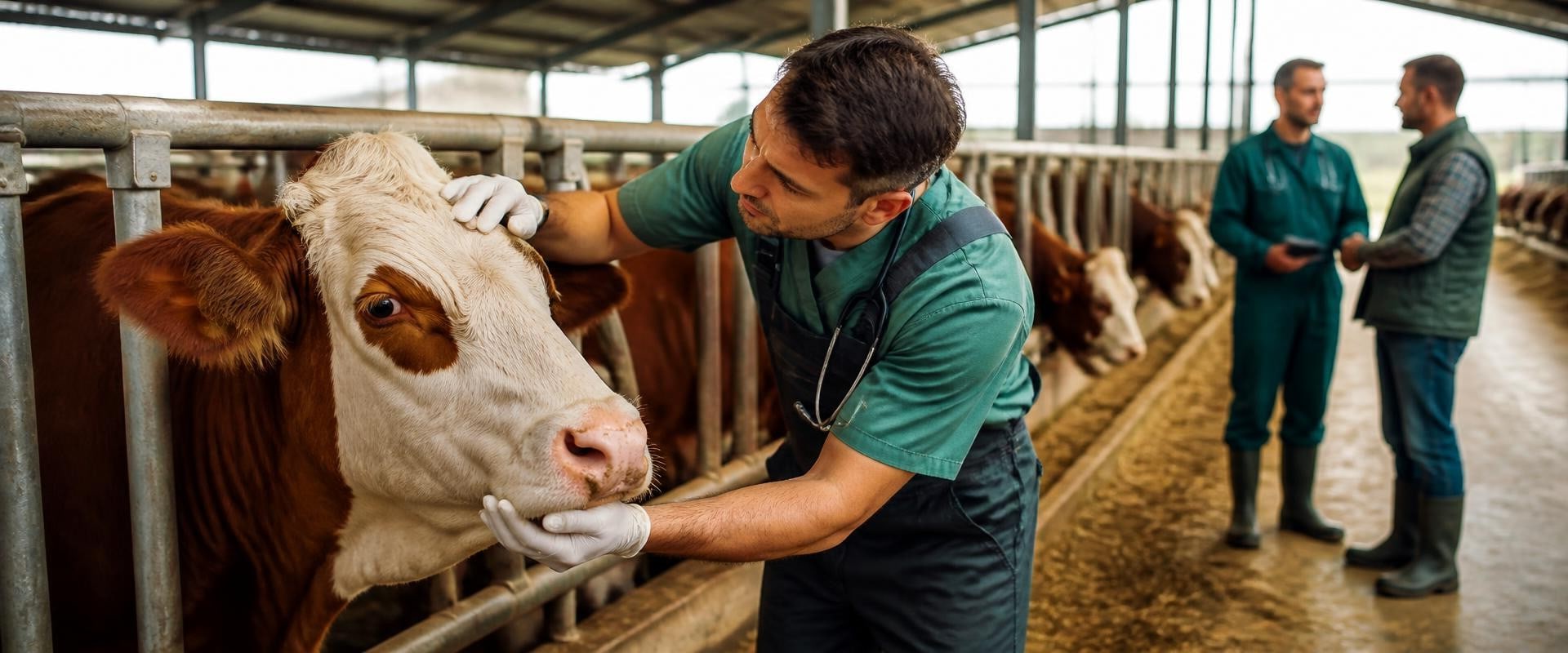
In addition to vaccinations, implementing comprehensive health management practices is vital. These practices include:- Regular Health Check-ups: Routine veterinary visits can help identify potential health issues before they escalate.
- Biosecurity Measures: Limiting access to livestock areas and ensuring proper sanitation can prevent the introduction of pathogens.
- Nutritional Management: Providing balanced diets tailored to the specific needs of different livestock species enhances their immune systems.
- Stress Reduction: Minimizing stress through proper handling techniques and comfortable living conditions can improve overall health.
Regulatory Framework Surrounding Livestock Trading and Disease Control
The regulatory framework surrounding livestock trading is crucial for ensuring the health and safety of both animals and humans. Various laws and regulations are in place to control the spread of diseases that can affect livestock, thereby safeguarding the agricultural economy.In the United States, the Animal Health Protection Act serves as a primary federal law governing disease control in livestock.This act empowers the U.S. Department of Agriculture (USDA) to implement measures aimed at preventing the introduction and spread of animal diseases. Compliance with these regulations is essential for all stakeholders involved in livestock trading.
Key Regulations Impacting Livestock Trading
- Interstate Movement Regulations: Livestock must meet specific health standards before being transported across state lines. This includes health certificates and vaccination records.
- Quarantine Measures: In cases of disease outbreaks, affected farms may be quarantined to prevent further spread.
Compliance with quarantine orders is mandatory for all livestock traders.
- Traceability Requirements: Livestock must be traceable from farm to market. This involves maintaining accurate records of ownership and health status, which is vital for disease control.
Compliance in Trading
Ensuring compliance with these regulations not only protects animal health but also enhances consumer confidence in livestock products. Non-compliance can lead to severe penalties, including fines and loss of trading privileges.
Therefore, it is imperative for traders to understand and adhere to both federal and state regulations regarding disease control.In conclusion, the regulatory landscape surrounding livestock trading is complex but essential for disease prevention. By following established laws and guidelines, traders can contribute to a healthier livestock population and a more robust agricultural economy.
FAQs About Livestock Diseases and Trading
Understanding the relationship between livestock diseases and livestock trading is crucial for farmers, traders, and consumers alike. Here are some frequently asked questions that can help clarify this important topic.What are the most common diseases affecting livestock?
- Foot-and-Mouth Disease: Highly contagious and affects cloven-hoofed animals, leading to significant economic losses.
- Bovine Respiratory Disease: A complex of infections that can severely impact cattle health and productivity.
- Porcine Reproductive and Respiratory Syndrome (PRRS): Affects pigs, causing reproductive failure and respiratory issues.
- Avian Influenza: A viral infection in birds that can lead to severe economic consequences in poultry trading.
How do livestock diseases impact trading?
The presence of diseases can lead to trade restrictions, decreased market access, and loss of consumer confidence. When an outbreak occurs, affected regions may face:- Quarantine measures that limit movement of animals.
- Increased testing and certification requirements for disease-free status.
- Price fluctuations due to supply shortages or increased demand for healthy livestock.
What measures can be taken for disease management?
Effective disease management is essential for maintaining healthy livestock and ensuring smooth trading operations.Here are some strategies:
- Regular Health Monitoring: Conduct routine health checks to identify any signs of illness early.
- Vaccination Programs: Implement vaccination schedules to protect against common diseases.
- Biosecurity Practices: Establish strict biosecurity measures to prevent disease introduction and spread.
- Education and Training: Provide training for farmers and traders on disease recognition and management techniques.
Conclusion: The Importance of Health in Livestock Trading Success
In conclusion, the health of livestock plays a pivotal role in the success of livestock trading. As we have explored, various diseases can significantly impact not only the well-being of the animals but also the economic viability of trading operations. Understanding these diseases and their implications is essential for traders, farmers, and stakeholders in the livestock industry.Preventive measures
such as regular health check-ups, vaccinations, and biosecurity protocols are crucial in maintaining livestock health. By investing in these practices, traders can minimize the risk of disease outbreaks that could lead to substantial financial losses.Furthermore, healthy livestock are more likely to fetch better prices in the market, enhancing profitability.Moreover, awareness of common diseases like foot-and-mouth disease, brucellosis, and avian influenza allows traders to make informed decisions regarding their livestock purchases and sales. This knowledge not only aids in risk management but also fosters trust among buyers and sellers, which is vital for successful transactions.
- Key Takeaways:
- The health of livestock directly influences trading outcomes.
- Preventive health measures are essential for minimizing disease risks.
- Knowledge of common diseases enhances decision-making in trading.
- Healthy animals lead to better market prices and increased profitability.