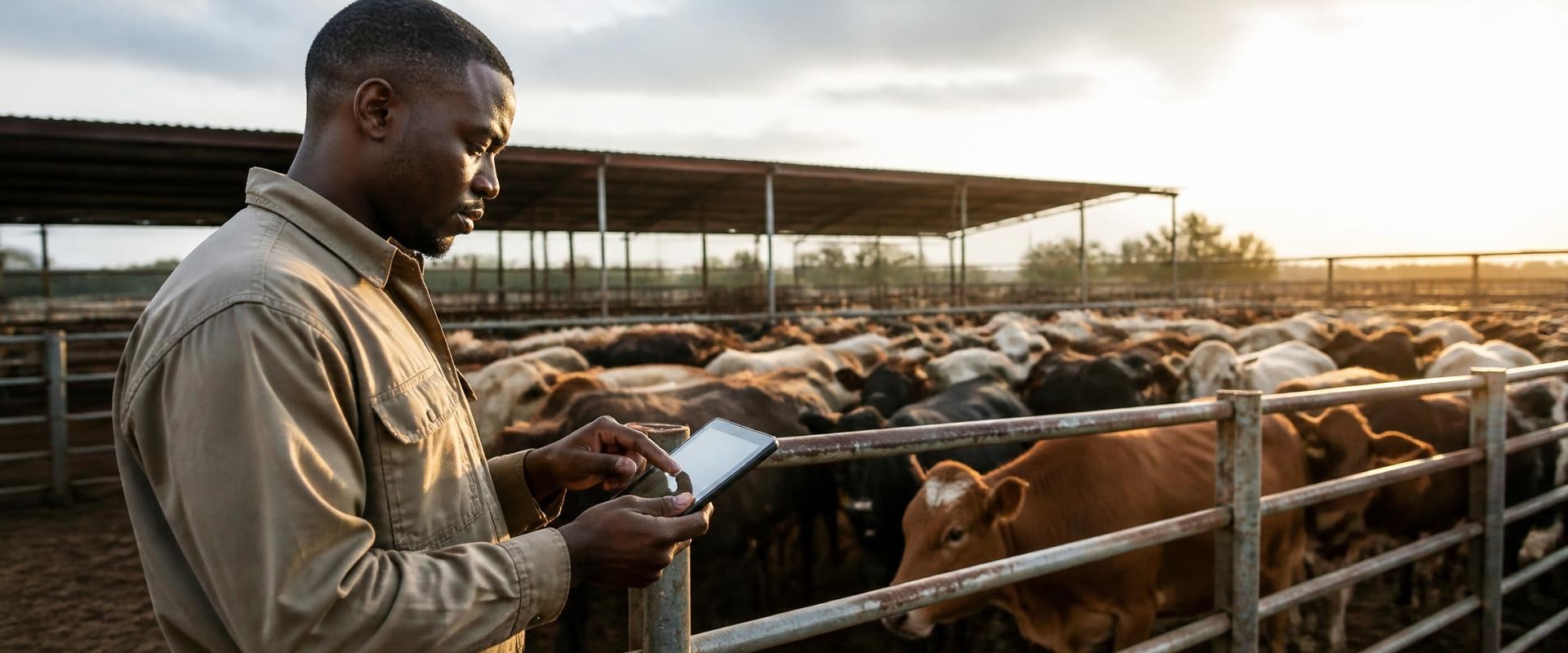
Livestock trading plays a crucial role in the agricultural economy, serving as a vital link between producers and consumers. This process involves the buying and selling of animals such as cattle, sheep, and pigs, which are essential for meat production, dairy, and other agricultural products. Understanding the intricacies of the livestock market is fundamental for anyone involved in agriculture, as it directly impacts pricing, supply chain dynamics, and ultimately, profitability. The traditional trading process in livestock often involves physical auctions or direct sales between farmers and buyers. While these methods have served the industry for decades, they can be time-consuming and inefficient.
Farmers may spend hours at auctions waiting for their livestock to be sold, while buyers often face challenges in assessing the quality and health of animals without proper data. This inefficiency not only affects the speed of transactions but can also lead to financial losses for both parties. As technology continues to evolve, it presents new opportunities to enhance the efficiency of livestock trading. Innovations such as online marketplaces, mobile applications, and data analytics are beginning to transform how transactions are conducted. By leveraging these tools, stakeholders can streamline their operations, reduce costs, and make more informed decisions.
In this article, we will explore how these technological advancements can significantly improve the livestock trading landscape.
The Role of Technology in Livestock Trading
The integration of technology into livestock trading is revolutionizing the way farmers, traders, and consumers interact within the agricultural sector. With the advent of digital tools and platforms, the efficiency of livestock transactions has significantly improved, leading to better market access and enhanced profitability for stakeholders.One of the most impactful advancements is the use of online marketplaces. These platforms allow farmers to list their livestock for sale, providing a broader audience and increasing competition among buyers. This not only helps in achieving fair market prices but also reduces the time spent on traditional selling methods.Digital Tools Enhancing Livestock Trading
- Mobile Applications: Farmers can now manage their livestock inventory, track health records, and monitor market prices through user-friendly mobile apps.
This accessibility empowers them to make informed decisions quickly.
- Blockchain Technology: By ensuring transparency and traceability in transactions, blockchain technology enhances trust among buyers and sellers. It allows for secure record-keeping of ownership and health history, which is crucial for maintaining quality standards.
- Data Analytics: Utilizing data analytics tools enables traders to analyze market trends and consumer preferences. This insight helps in forecasting demand and optimizing pricing strategies.
This proactive approach not only improves animal welfare but also enhances overall productivity.In conclusion, as technology continues to evolve, its role in livestock trading will only grow more significant. By embracing these innovations, stakeholders can streamline operations, reduce costs, and ultimately contribute to a more sustainable agricultural ecosystem.
Digital Platforms for Livestock Trading
In recent years, the rise of digital platforms for livestock trading has transformed the way farmers and buyers interact, making transactions more efficient and accessible. These platforms leverage technology to streamline the buying and selling process, reducing the time and effort traditionally required in livestock trading.Online livestock trading platforms
offer a variety of features that enhance user experience. For instance, many platforms provide detailed listings that include high-quality images, health records, and performance data of the animals.This transparency allows buyers to make informed decisions without needing to visit multiple farms physically.
- Real-time Auctions: Many livestock auction websites now host real-time online auctions, enabling buyers to bid from anywhere in the world. This not only increases competition but also expands the market reach for sellers.
- Mobile Accessibility: With mobile-friendly interfaces, farmers can manage their listings and bids on-the-go, ensuring they never miss an opportunity.
- Payment Integration: Secure payment gateways integrated into these platforms simplify transactions, allowing for quick and safe exchanges of funds.
By embracing these technologies, farmers can optimize their operations and ultimately improve their profitability.
Data Analytics and Livestock Trading Decisions
In the realm of livestock trading, the integration of data analytics has revolutionized how farmers and traders make decisions. By leveraging data analytics, stakeholders can gain insights into market trends, pricing strategies, and consumer preferences, ultimately leading to more informed trading decisions.Data analytics in agriculture
encompasses a variety of techniques that analyze historical data, current market conditions, and predictive models. This information allows farmers to understand the dynamics of the livestock market better. For instance, by analyzing past sales data, farmers can identify peak selling seasons and adjust their trading strategies accordingly.Market Analysis Tools
Several tools are available that utilize data analytics for livestock market analysis.These tools can track price fluctuations, monitor supply and demand metrics, and even assess competitor pricing. By employing these tools, farmers can:
- Identify Trends: Recognize patterns in livestock prices over time.
- Optimize Pricing: Set competitive prices based on real-time market data.
- Forecast Demand: Anticipate future demand for specific livestock types.
These tools not only streamline operations but also foster a proactive approach to livestock trading.In conclusion, embracing data analytics in livestock trading is no longer optional; it is essential for success. By utilizing advanced analytical techniques and decision-making tools, farmers can navigate the complexities of the market with confidence and agility.
Blockchain Technology in Livestock Trading
In recent years, blockchain technology has emerged as a transformative force in various industries, and livestock trading is no exception. By leveraging the decentralized nature of blockchain, stakeholders in the livestock market can enhance transparency and security, which are crucial for building trust among buyers and sellers.Traceability in livestock trading
is one of the most significant advantages offered by blockchain. Each transaction can be recorded on a public ledger, providing an immutable history of the livestock's journey from farm to market.This level of traceability ensures that buyers can verify the origin of their livestock, confirming that animals are sourced from reputable farms that adhere to health and safety standards. In an era where consumers are increasingly concerned about food safety and ethical sourcing, this transparency can significantly influence purchasing decisions.Moreover, blockchain facilitates secure transactions for livestock. Traditional trading methods often involve intermediaries, which can introduce delays and increase the risk of fraud. With blockchain, transactions can be executed directly between parties without the need for a middleman.
Smart contracts—self-executing contracts with the terms of the agreement directly written into code—can automate payment processes once conditions are met, reducing the likelihood of disputes and ensuring timely payments.The integration of blockchain in livestock trading not only streamlines operations but also enhances accountability. Each participant in the supply chain can be held responsible for their actions, as all transactions are recorded and visible to authorized parties. This level of accountability fosters a culture of trust and reliability within the industry.In conclusion, adopting blockchain technology in livestock trading presents a unique opportunity to improve efficiency through enhanced traceability and secure transactions. As more stakeholders recognize these benefits, we can expect to see a significant shift towards more transparent and trustworthy trading practices in the livestock sector.
Mobile Applications for Livestock Management and Trading
In the rapidly evolving world of livestock trading, mobile applications have emerged as vital tools for farmers, enhancing both livestock management and trading efficiency.These apps provide a range of functionalities that streamline operations, making it easier for farmers to monitor their herds and engage in trading activities.
Mobile Apps for Farmers
- Real-time Monitoring: Many mobile applications allow farmers to track the health and location of their livestock in real-time. This feature is crucial for ensuring the well-being of animals and can help in making informed decisions regarding their care and management.
- Record Keeping: Apps designed for livestock management often include features for maintaining detailed records of each animal, including breeding history, health status, and feeding schedules. This data is invaluable when it comes to trading, as it provides potential buyers with comprehensive information.
- Market Insights: Some applications offer market analysis tools that provide farmers with insights into current market trends and pricing. This information can help them make strategic decisions about when to buy or sell livestock.
Livestock Management Apps
- Inventory Management: Efficient inventory management is essential for any livestock operation.
Mobile apps can help farmers keep track of their livestock numbers, manage breeding schedules, and monitor feed supplies.
- Health Tracking: Many apps include features for tracking vaccinations, medications, and health check-ups. This ensures that all animals are healthy and ready for trade, which can significantly enhance their market value.
Trading on Mobile Platforms
- Easy Transactions: Mobile platforms facilitate quick and secure transactions between buyers and sellers. Farmers can list their livestock for sale directly from their mobile devices, reaching a broader audience without the need for intermediaries.
- Networking Opportunities: Many livestock trading apps also function as social networks where farmers can connect with each other. This networking can lead to better trading opportunities and partnerships.
By leveraging these technologies, farmers can improve efficiency, enhance productivity, and ultimately increase profitability in their operations.
Challenges and Limitations of Technology in Livestock Trading
While technology holds great promise for enhancing livestock trading efficiency, several challenges and limitations can hinder its adoption among farmers. Understanding these barriers is crucial for stakeholders aiming to facilitate smoother transitions to digital platforms.Challenges of Technology in Agriculture
One significant challenge is the digital divide. Many farmers, especially those in rural areas, may lack access to reliable internet services or modern devices necessary for engaging with digital trading platforms. This disparity can lead to unequal opportunities in the marketplace, where tech-savvy traders gain an advantage over those who are less connected.Limitations of Digital Trading Platforms
Moreover, existing digital trading platforms may not be tailored to the specific needs of livestock traders.For instance, some platforms might not provide adequate information on animal health or breeding history, which are critical factors in livestock valuation. Additionally, the complexity of these platforms can deter less tech-savvy users from fully utilizing their features.
Barriers to Tech Adoption in Farming
Another barrier is the cost of technology. Implementing new systems often requires significant investment in hardware and software, which can be prohibitive for small-scale farmers. Furthermore, there may be a lack of training and support for farmers to effectively use these technologies, leading to frustration and reluctance to adopt. Lastly, there are concerns regarding data security.Farmers may be hesitant to share sensitive information about their livestock and operations on digital platforms due to fears of data breaches or misuse. This apprehension can slow down the overall acceptance of technology in livestock trading. In conclusion, while technology has the potential to revolutionize livestock trading, addressing these challenges is essential for ensuring that all farmers can benefit from advancements in this field.
Future Trends in Livestock Trading Technology
The future of livestock trading is poised for significant transformation, driven by emerging technologies that enhance efficiency and transparency. As the agricultural sector increasingly embraces digital solutions, several key trends are expected to shape the landscape of livestock trading.1.Blockchain Technology
One of the most promising innovations is blockchain technology, which offers a secure and transparent way to track livestock transactions. By creating an immutable ledger, blockchain can help verify the provenance of animals, ensuring that buyers receive accurate information about their purchases.This not only builds trust among stakeholders but also reduces fraud in the trading process.
2.Artificial Intelligence and Data Analytics
Artificial intelligence (AI) and data analytics are set to revolutionize decision-making in livestock trading. By analyzing vast amounts of data, AI can provide insights into market trends, pricing strategies, and consumer preferences. This enables traders to make informed decisions quickly, optimizing their operations and maximizing profits.3.Mobile Applications and Platforms
The rise of mobile applications tailored for livestock trading is another trend gaining traction. These platforms facilitate real-time communication between buyers and sellers, allowing for quicker negotiations and transactions.Features such as virtual auctions and instant messaging enhance user experience, making it easier for farmers to connect with potential buyers.
4.Internet of Things (IoT)
The Internet of Things (IoT) is also playing a crucial role in improving livestock management and trading efficiency. Smart sensors can monitor animal health, location, and behavior, providing valuable data that can be shared with traders. This information helps in assessing the quality of livestock before transactions, ensuring that buyers are well-informed.5.Sustainability and Ethical Trading
As consumers become more conscious of sustainability, there is a growing trend towards ethical trading practices in livestock markets. Technologies that promote sustainable farming methods will likely gain popularity, influencing how livestock is traded.Innovations such as precision farming tools can help farmers reduce waste and improve animal welfare, aligning with consumer demands for ethically sourced products.In conclusion, the integration of these emerging technologies into livestock trading not only enhances operational efficiency but also fosters a more transparent and sustainable marketplace. As these trends continue to evolve, stakeholders in the agricultural sector must adapt to leverage the full potential of these advancements.
Conclusion: The Future of Livestock Trading Efficiency Through Technology
As we look towards the future of livestock trading, it is clear that technology will play a pivotal role in enhancing efficiency and transparency within the industry. The integration of advanced technologies such as blockchain, artificial intelligence, and IoT devices has already begun to reshape how transactions are conducted, ensuring that both buyers and sellers can operate with greater confidence.One of the most significant advancements is the use of blockchain technology, which provides a secure and immutable ledger for tracking livestock from farm to market. This not only helps in verifying the authenticity of livestock but also enhances traceability, allowing stakeholders to access vital information regarding health records and breeding history.Moreover, artificial intelligence is revolutionizing decision-making processes in livestock trading.By analyzing vast amounts of data, AI can predict market trends, assess livestock value more accurately, and optimize pricing strategies. This data-driven approach minimizes risks and maximizes profitability for traders.The implementation of IoT devices further streamlines operations by enabling real-time monitoring of livestock conditions. Sensors can track health metrics, feeding patterns, and environmental factors, providing traders with critical insights that influence buying and selling decisions.In conclusion, the future of livestock trading is bright, driven by technological innovations that promise to enhance efficiency, transparency, and profitability. As these technologies continue to evolve, they will undoubtedly transform the landscape of livestock trading, making it more accessible and efficient for all stakeholders involved.