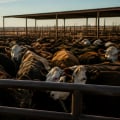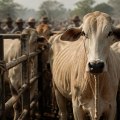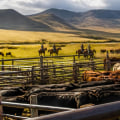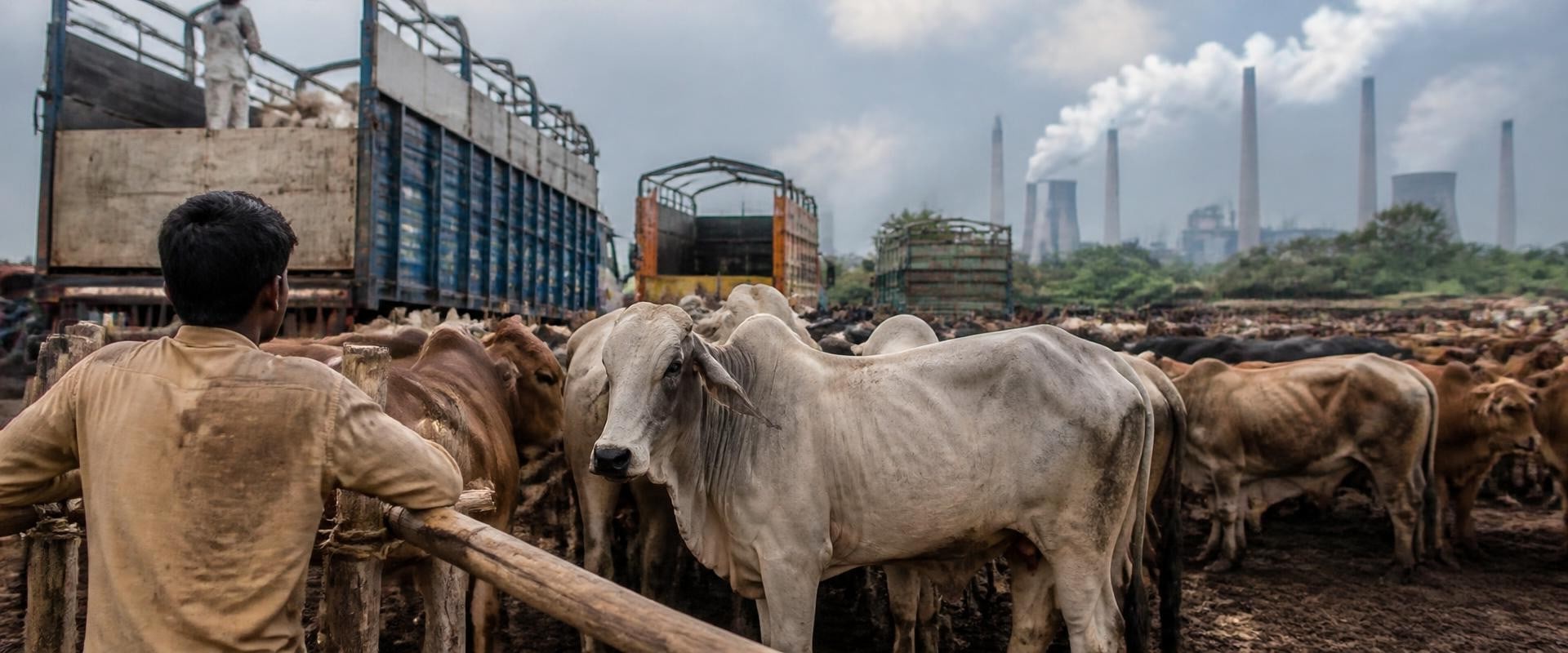
Livestock trading plays a pivotal role in the global economy, serving as a vital link between producers and consumers. This intricate system encompasses the buying and selling of animals such as cattle, sheep, goats, and pigs, which are essential for meat, dairy, and other agricultural products. As populations grow and dietary preferences shift towards protein-rich foods, the demand for livestock has surged, making this trade not only significant for food security but also for economic stability in many regions.However, the rapid expansion of livestock trading raises critical questions about its environmental impacts. The processes involved in raising livestock—such as land use, water consumption, and greenhouse gas emissions—can have profound effects on ecosystems.
For instance, deforestation for pastureland contributes to biodiversity loss and climate change. Additionally, the transportation of livestock across vast distances can exacerbate carbon footprints and lead to increased pollution.Understanding the significance of livestock trading is essential as we delve into its environmental ramifications. While it supports livelihoods and economies worldwide, it is crucial to balance these benefits with sustainable practices that mitigate negative impacts on our planet. This exploration will shed light on how we can navigate the complexities of livestock trading while fostering a healthier environment for future generations.
Overview of Livestock Trading Practices
Livestock trading encompasses a variety of practices that facilitate the buying and selling of animals for agricultural purposes.This sector plays a crucial role in the global economy, with millions of livestock traded annually across different regions. The types of livestock commonly involved in these transactions include cattle, sheep, goats, pigs, and poultry. Each type has its own market dynamics and trading practices, influenced by factors such as demand, breeding cycles, and regional preferences.The global livestock market is vast and complex, with trade routes spanning continents. For instance, cattle are often traded between North America and Europe, while sheep and goats may be more prevalent in Middle Eastern markets.
The scale of this market is significant; according to recent estimates, the global livestock sector is valued at over $1 trillion, highlighting its importance in food security and economic stability.In addition to traditional sales methods, modern livestock trading has evolved to include online platforms that connect buyers and sellers worldwide. These digital marketplaces allow for greater transparency and efficiency in transactions, enabling farmers to access broader markets and consumers to find specific breeds or types of livestock more easily.However, the practices surrounding livestock trading are not without controversy. Issues such as animal welfare, disease transmission, and environmental sustainability are increasingly coming under scrutiny. As the demand for livestock continues to rise globally, understanding these practices becomes essential for addressing their broader implications.
Environmental Impacts of Livestock Production
The environmental impacts of livestock production are profound and multifaceted, significantly affecting our planet's ecosystems.One of the most pressing issues is the contribution of livestock to greenhouse gas emissions. According to the Food and Agriculture Organization (FAO), livestock accounts for approximately 14.5% of all human-induced greenhouse gas emissions. This is primarily due to methane released during digestion, as well as nitrous oxide from manure management.In addition to greenhouse gases, livestock production is a major driver of deforestation. Vast areas of forests are cleared to create pastureland or to grow feed crops, leading to a loss of biodiversity and disruption of carbon sinks.
For instance, in regions like the Amazon rainforest, cattle ranching is one of the leading causes of deforestation, contributing to habitat destruction and threatening numerous species.Furthermore, the land use associated with livestock farming is extensive. It is estimated that around 30% of the Earth's ice-free land is used for grazing livestock, while an additional 33% is dedicated to growing feed crops. This intensive land use not only leads to soil degradation but also exacerbates water scarcity issues in many regions. Overgrazing can result in soil erosion and desertification, further diminishing the land's productivity.To mitigate these environmental impacts, sustainable practices in livestock trading and production are essential.
This includes adopting rotational grazing techniques, improving feed efficiency, and integrating agroforestry systems that can enhance biodiversity while still providing for livestock needs.In conclusion, the environmental impacts of livestock production are significant and require urgent attention. By understanding these challenges, stakeholders can work towards more sustainable practices that benefit both the environment and food security.
Transportation and Its Environmental Footprint
The transportation of livestock is a critical component of the livestock trading industry, yet it carries significant environmental consequences. The methods used to transport animals can vary widely, from trucks and trains to ships and planes, each with its own set of impacts.Carbon Footprint of Livestock Transport
One of the most pressing issues associated with livestock transportation is its carbon footprint. According to various studies, transporting livestock contributes substantially to greenhouse gas emissions.
For instance, long-distance trucking can emit up to 1.5 times more carbon dioxide per ton-mile compared to rail transport. This discrepancy highlights the importance of choosing efficient transportation methods.
Resource Consumption
In addition to carbon emissions, livestock transportation also consumes significant resources. Fuel consumption is a major concern; transporting animals over long distances requires large amounts of diesel or gasoline, which not only contributes to air pollution but also depletes non-renewable resources. Furthermore, the energy used in maintaining appropriate conditions for the animals during transport—such as ventilation and temperature control—adds another layer of resource consumption.
Transportation Methods
- Trucking: The most common method for short to medium distances, but it has a high carbon footprint due to fuel consumption.
- Rail: More efficient for longer distances, rail transport can reduce emissions significantly compared to trucking.
- Shipping: Used for international trade, maritime transport has a lower carbon footprint per ton-mile but can still be detrimental due to potential oil spills and marine pollution.
- Aviation: While fast, air transport is the least environmentally friendly option due to extremely high emissions per ton-mile.
By adopting more sustainable practices and choosing less harmful transportation methods, it is possible to mitigate some of these negative effects.
Water Usage and Pollution Concerns
The water usage associated with livestock trading is a critical concern, particularly in regions where water scarcity is already an issue. Livestock farming requires substantial amounts of water for drinking, cleaning, and feed production. For instance, it is estimated that producing just one kilogram of beef can consume up to 15,000 liters of water when considering the entire supply chain, from feed crops to processing.Moreover, the pollution generated by livestock farms poses significant environmental challenges. Waste management practices in these operations often lead to runoff that contaminates nearby water sources.This runoff can carry nutrients such as nitrogen and phosphorus, which contribute to eutrophication, resulting in harmful algal blooms that deplete oxygen levels in water bodies and threaten aquatic life.In addition to nutrient pollution, livestock waste can introduce pathogens and antibiotics into the water supply, raising public health concerns. The improper disposal of manure not only affects local ecosystems but also has broader implications for water quality across regions.As water scarcity issues become more pronounced due to climate change and increasing demand for freshwater resources, the livestock sector must adopt more sustainable practices. This includes improving water efficiency in farming operations and implementing better waste management systems to mitigate pollution.Ultimately, addressing the environmental impacts of livestock trading requires a comprehensive approach that balances agricultural productivity with the preservation of vital water resources.
Biodiversity Loss and Habitat Destruction
The environmental impacts of livestock trading extend far beyond the immediate effects of animal husbandry. One of the most pressing issues is the significant biodiversity loss and habitat destruction that accompanies the expansion of livestock farming.As demand for meat and dairy products increases globally, vast areas of land are converted into pastures or feed crop fields, leading to the degradation of natural ecosystems.In regions such as the Amazon rainforest, extensive deforestation has been driven by cattle ranching. According to a report by the World Wildlife Fund, approximately 80% of deforested areas in the Amazon are now used for grazing cattle. This not only results in the loss of trees but also disrupts entire ecosystems, threatening countless species with extinction.
Case Studies:
- Amazon Rainforest: The conversion of forest land into pastureland has led to a dramatic decline in biodiversity, with species such as jaguars and various bird species facing habitat loss.
- Savannah Ecosystems: In regions like East Africa, livestock trading has contributed to overgrazing, which depletes native vegetation and disrupts the balance of local wildlife populations.
- Wetlands: In Southeast Asia, the expansion of livestock farms into wetland areas has resulted in habitat destruction for aquatic species and migratory birds.
The interdependence of species means that the loss of one can trigger a cascade effect, further endangering biodiversity.In conclusion, while livestock trading may fulfill economic demands, it comes at a steep environmental cost. Addressing these issues requires a concerted effort to promote sustainable practices that protect biodiversity and restore habitats affected by livestock production.
Regulatory Framework and Sustainable Practices
The regulatory framework surrounding livestock trading plays a crucial role in mitigating its environmental impacts. Various laws and regulations are established at both national and international levels to ensure that livestock trading practices are sustainable and environmentally friendly. For instance, the Animal Welfare Act in the United States sets standards for the treatment of animals during transport, which indirectly influences the environmental footprint of livestock trading.In addition to animal welfare, regulations often address land use, water consumption, and greenhouse gas emissions.The Environmental Protection Agency (EPA) monitors emissions from livestock operations and promotes practices that reduce methane output, a significant contributor to climate change. Compliance with these regulations is essential for minimizing the ecological impact of livestock trading.
Sustainable Livestock Practices
To further reduce the environmental footprint of livestock trading, many producers are adopting sustainable livestock practices. These practices include:- Rotational grazing: This method allows pastures to recover, improving soil health and reducing erosion.
- Integrated pest management: Utilizing natural predators and organic methods to control pests minimizes chemical use.
- Feed efficiency: Improving feed conversion rates reduces the amount of feed required, thereby lowering resource consumption.
- Water conservation: Implementing systems that recycle water or use rainwater harvesting can significantly decrease water usage in livestock operations.
Eco-Friendly Alternatives
The rise of eco-friendly alternatives is also reshaping the landscape of livestock trading. Innovations such as lab-grown meat and plant-based protein sources offer sustainable options that can alleviate some of the pressures associated with traditional livestock farming.These alternatives not only reduce land and water use but also lower greenhouse gas emissions significantly compared to conventional meat production.In conclusion, while livestock trading poses various environmental challenges, a robust regulatory framework combined with sustainable practices and eco-friendly alternatives can help mitigate these impacts. Stakeholders in the livestock industry must prioritize these strategies to ensure a more sustainable future.
Future Trends in Livestock Trading and Environmental Impact Mitigation
The future of livestock trading is poised for significant transformation as the industry grapples with the pressing need to mitigate its environmental impacts. Innovations in sustainable practices are emerging, driven by both technological advancements and changing consumer preferences.Technological Innovations
One of the most promising trends is the integration of technology in livestock management. Precision agriculture tools, such as drones and IoT devices, are being utilized to monitor livestock health and optimize feed efficiency.These technologies not only enhance productivity but also reduce waste and lower greenhouse gas emissions associated with livestock production.
Sustainable Practices
Moreover, there is a growing emphasis on sustainable grazing practices. Techniques such as rotational grazing can improve soil health and increase carbon sequestration, thereby reducing the overall environmental footprint of livestock trading. Farmers are increasingly adopting these methods, recognizing their long-term benefits for both the ecosystem and their operations.Shifts in Consumer Behavior
Consumer behavior is also shifting towards more sustainable options. The rise of plant-based diets and alternative protein sources is influencing livestock trading dynamics.As consumers demand transparency and sustainability, producers are responding by adopting more ethical practices, which can lead to a decrease in the environmental impacts traditionally associated with livestock trading.
Policy and Regulation
Additionally, government policies are beginning to reflect these changes. Incentives for sustainable farming practices and stricter regulations on emissions are encouraging livestock traders to adopt greener methods. This regulatory landscape will likely shape the future of livestock trading, pushing the industry towards more environmentally friendly practices.In conclusion, the future of livestock trading is at a crossroads where innovation meets sustainability. By embracing new technologies, adopting sustainable practices, and responding to consumer demands, the industry can significantly reduce its environmental impact while continuing to meet global food needs.Conclusion: Balancing Livestock Trading with Environmental Sustainability
In conclusion, the environmental impacts of livestock trading are multifaceted and significant.Throughout this discussion, we have explored how livestock trading contributes to deforestation, greenhouse gas emissions, and biodiversity loss. These factors not only threaten ecosystems but also jeopardize the livelihoods of communities that depend on healthy environments.To address these challenges, it is crucial to find a balance between the economic benefits of livestock trading and the need for environmental sustainability. Here are some key strategies that can help achieve this balance:
- Implementing Sustainable Practices: Encouraging farmers and traders to adopt sustainable farming practices can significantly reduce the environmental footprint of livestock production. Techniques such as rotational grazing, agroforestry, and organic farming can enhance soil health and reduce emissions.
- Promoting Local Markets: Supporting local livestock markets can minimize transportation emissions and foster community resilience.
By prioritizing local trade, we can reduce the carbon footprint associated with long-distance livestock transport.
- Enhancing Regulations: Governments and international bodies must enforce stricter regulations on livestock trading to ensure that environmental standards are met. This includes monitoring deforestation rates and implementing penalties for non-compliance.
- Encouraging Consumer Awareness: Educating consumers about the environmental impacts of their food choices can drive demand for sustainably sourced livestock products. Increased consumer awareness can lead to more responsible purchasing decisions.