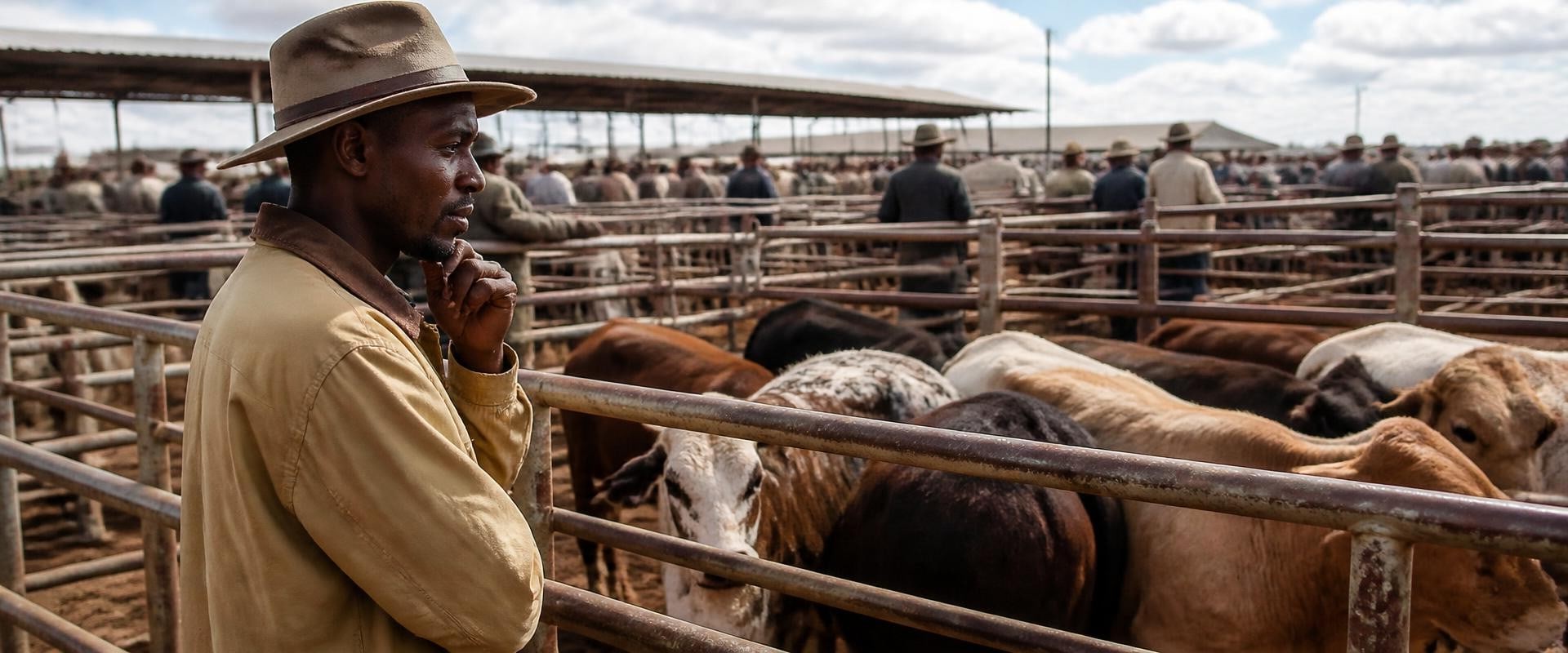
Livestock trading is a dynamic and essential component of the agricultural economy, involving the buying and selling of animals such as cattle, sheep, pigs, and poultry. This practice not only supports food production but also plays a crucial role in the livelihoods of farmers, traders, and consumers alike. Understanding the intricacies of livestock trading is vital for anyone looking to enter this market, as it encompasses various factors including market demand, pricing strategies, and regulatory frameworks.The livestock market operates on principles similar to other commodities, where supply and demand dictate prices. However, it is uniquely influenced by factors such as animal health, breeding cycles, and seasonal variations.
New entrants must navigate these complexities while also considering the ethical implications of livestock management and trade practices. As they delve into this sector, they will encounter a range of challenges that can significantly impact their success.For those unfamiliar with the landscape of livestock trading, it can be daunting to understand how to effectively source animals, establish reliable networks, and comply with local regulations. Moreover, fluctuations in market prices can pose risks that require strategic planning and adaptability. This introductory overview sets the stage for a deeper exploration of the specific challenges faced by newcomers in this vibrant yet challenging field.
Market Knowledge and Research Challenges
Entering the world of livestock trading can be a daunting task for newcomers, primarily due to the complexities involved in market knowledge and research.Understanding the nuances of livestock prices and market trends is crucial for making informed decisions.One of the primary challenges faced by new entrants is the lack of access to reliable data. Unlike established traders who have built networks over time, newcomers often struggle to find accurate information regarding current market conditions. This can lead to poor purchasing decisions, resulting in financial losses.
The Importance of Market Research
Conducting thorough market research is essential for anyone looking to succeed in livestock trading. This involves analyzing various factors such as:- Price Fluctuations: Livestock prices can vary significantly based on seasonality, demand, and supply.
New traders must stay updated on these fluctuations to avoid overpaying or underselling.
- Market Trends: Understanding broader market trends helps traders anticipate future movements. For instance, shifts in consumer preferences or changes in regulations can impact livestock prices.
- Regional Variations: Prices can differ from one region to another due to local supply and demand dynamics. New entrants need to be aware of these variations to optimize their trading strategies.
By overcoming these challenges, they can position themselves for success in a competitive landscape.
Regulatory and Compliance Issues
Entering the world of livestock trading presents a myriad of challenges, particularly when it comes to navigating the complex landscape of regulatory and compliance issues. New entrants must familiarize themselves with a variety of regulations that govern the industry, which can vary significantly by state and federal jurisdiction.Understanding Livestock Trading Regulations
- Licensing Requirements: Most states require livestock traders to obtain specific licenses or permits. This often involves meeting certain criteria, such as having a physical location for operations and maintaining records of all transactions.
- Animal Welfare Standards: Compliance with animal welfare laws is crucial. Traders must ensure that their livestock is treated humanely and that they adhere to guidelines set forth by organizations like the USDA.
- Health Regulations: Livestock must meet health standards to prevent the spread of diseases.
New entrants need to be aware of vaccination requirements and health certifications necessary for trading.
Compliance in Livestock Trading
Compliance is not just about following laws; it also involves maintaining accurate records and reporting practices. New traders should implement robust systems for tracking their livestock, including:
- Transaction Records: Keeping detailed records of purchases, sales, and transfers is essential for compliance and can help in audits.
- Traceability: Understanding where livestock comes from and where it goes is vital for biosecurity and regulatory compliance.
Legal Challenges in Livestock Trading
The legal landscape can be daunting for newcomers. Potential legal challenges include:
- Contract Disputes: Issues may arise from agreements with suppliers or buyers, necessitating a clear understanding of contract law.
- Liability Issues: Traders may face liability claims related to animal health or welfare, making it essential to have adequate insurance coverage.
Financial Barriers to Entry
Entering the world of livestock trading presents numerous financial challenges that can deter potential newcomers.Understanding these hurdles is crucial for anyone looking to establish a foothold in this competitive market.
Startup Costs
The initial investment required for livestock trading can be substantial. New entrants must consider various expenses, including:
- Purchasing Livestock: The cost of acquiring healthy animals can vary significantly based on species, breed, and market conditions.
- Infrastructure: Adequate facilities for housing, feeding, and caring for livestock are essential and can require significant capital.
- Equipment: Tools and machinery for feeding, watering, and maintaining livestock add to the initial financial burden.
- Insurance: Protecting investments through insurance is vital but adds to ongoing costs.
Funding Options
Securing funding is often one of the most daunting tasks for new entrants in livestock trading. Traditional financing options may not always be accessible. Here are some common avenues:
- Banks and Credit Unions: While they offer loans, stringent requirements can make it difficult for newcomers without established credit histories.
- Government Grants and Subsidies: Various programs exist to support agricultural ventures, but navigating these can be complex.
- Private Investors: Attracting investors who understand the livestock market can provide necessary capital but may require giving up equity.
- Crowdfunding: This modern approach allows individuals to raise small amounts from many people but requires a compelling business plan to attract backers.
Managing Cash Flow
A critical aspect of sustaining a livestock trading business is effective cash flow management.
New entrants must be prepared for:
- Variable Income: Livestock prices fluctuate based on market demand, which can lead to unpredictable revenue streams.
- Ongoing Expenses: Regular costs such as feed, veterinary care, and maintenance must be managed carefully to avoid financial strain.
- Savings for Emergencies: Setting aside funds for unexpected events like disease outbreaks or market downturns is essential for long-term viability.
Building a Reliable Network
In the competitive world of livestock trading, building a reliable network is crucial for new entrants. Establishing strong relationships within the industry can significantly ease the challenges faced by those just starting out. Networking not only opens doors to valuable resources but also provides insights that can help newcomers navigate the complexities of the market.Importance of Connections in Livestock Trading
- Access to Information: A well-connected trader can gain access to critical market information, including pricing trends, demand fluctuations, and potential buyers or sellers.
- Support and Guidance: Experienced traders can offer mentorship and advice, helping newcomers avoid common pitfalls and make informed decisions.
- Collaboration Opportunities: Networking can lead to partnerships that enhance trading capabilities, such as joint ventures or shared resources.
It requires genuine engagement and trust-building. Here are some effective strategies for new entrants:
- Attend Industry Events: Participating in livestock fairs, auctions, and trade shows provides opportunities to meet key players in the industry.
- Join Professional Associations: Becoming a member of relevant organizations can facilitate connections with other traders and industry experts.
- Utilize Social Media: Platforms like LinkedIn and Facebook groups dedicated to livestock trading can help newcomers connect with others in the field.
Access to Quality Livestock
One of the primary challenges faced by new entrants in livestock trading is sourcing quality livestock. Establishing reliable connections with reputable suppliers is crucial, yet often daunting for those unfamiliar with the industry.New traders may struggle to identify trustworthy sources, leading to potential pitfalls in their operations.
Challenges in finding livestock suppliers
can stem from various factors, including geographical limitations and lack of industry knowledge. Many new entrants may not have access to established networks that seasoned traders rely on. This can result in a reliance on less reputable suppliers, which can compromise the quality of livestock acquired.Moreover, the livestock market is often fragmented, with numerous small-scale producers and suppliers. This fragmentation makes it difficult for newcomers to navigate the landscape effectively.Without proper guidance or mentorship, they may find themselves overwhelmed by the sheer volume of options available.Once a supplier is identified, quality control in livestock trading becomes paramount. New entrants must implement stringent measures to ensure that the livestock they purchase meets industry standards. This includes assessing the health and genetic quality of animals, as well as understanding the breeding practices of suppliers. Failure to maintain high standards can lead to significant financial losses and damage to reputation.To mitigate these challenges, new traders should consider building relationships with established players in the industry.
Networking at trade shows, joining local agricultural associations, and seeking mentorship can provide valuable insights into sourcing quality livestock. Additionally, investing time in research and due diligence can help identify reliable suppliers who prioritize quality.In conclusion, while sourcing quality livestock presents several challenges for new entrants in livestock trading, proactive measures such as building supplier relationships and implementing rigorous quality control processes can pave the way for success in this competitive market.
Market Competition and Differentiation Strategies
The landscape of livestock trading is characterized by intense competition, particularly for new entrants who must navigate a market dominated by established players. Understanding the competitive dynamics is crucial for newcomers aiming to carve out a niche.Market Competition
in livestock trading is influenced by several factors, including pricing, quality of livestock, and customer relationships. Established traders often benefit from brand recognition and loyal customer bases, making it challenging for new entrants to gain traction.Additionally, larger companies may have more resources to invest in marketing and technology, further intensifying competition.To successfully differentiate themselves in this crowded market, new entrants can adopt several strategies:
- Focus on Niche Markets: Identifying and targeting specific segments of the livestock market can help new traders stand out. For example, specializing in organic or heritage breeds may attract customers looking for unique products.
- Build Strong Relationships: Establishing trust and rapport with customers can lead to repeat business. New entrants should prioritize customer service and communication to foster loyalty.
- Leverage Technology: Utilizing digital platforms for marketing and sales can enhance visibility. Social media, online marketplaces, and e-commerce solutions allow new traders to reach a broader audience without the overhead costs associated with physical storefronts.
- Quality Assurance: Emphasizing the quality of livestock can differentiate new entrants from competitors.
Implementing strict quality control measures and transparent sourcing practices can build credibility.
- Competitive Pricing: While competing solely on price can be detrimental, offering competitive rates or value-added services can attract price-sensitive customers.
Technological Advancements and Adaptation Challenges
The landscape of livestock trading is rapidly evolving due to technological advancements, presenting both opportunities and challenges for new entrants. As digital tools become increasingly integral to the agricultural sector, understanding how to leverage these technologies is crucial for success.Technology in livestock trading
encompasses a range of innovations, from online marketplaces to data analytics and blockchain solutions. These tools can enhance efficiency, improve transparency, and facilitate better decision-making.However, new traders often face significant hurdles in adapting to these technologies.
- Learning Curve: Many new entrants may lack the technical skills required to navigate advanced digital platforms. This steep learning curve can hinder their ability to compete effectively in the market.
- Access to Resources: Not all new traders have equal access to the necessary technology or training. Limited resources can restrict their ability to implement digital solutions that could streamline their operations.
- Integration Challenges: Integrating new technologies with existing practices can be complex. New entrants may struggle to find the right balance between traditional methods and modern tools.
- Data Management: With the rise of data-driven decision-making, understanding how to collect, analyze, and utilize data effectively is essential.
New traders may find it challenging to manage this aspect without prior experience.
Conclusion: Overcoming Challenges in Livestock Trading
In conclusion, livestock trading presents a myriad of challenges for new entrants, ranging from market volatility to regulatory hurdles. Understanding these obstacles is crucial for anyone looking to establish themselves in this competitive field. One of the primary challenges is the market volatility that can significantly impact pricing and profitability.New traders must stay informed about market trends and be prepared to adapt their strategies accordingly. This requires not only a keen understanding of the livestock market but also the ability to analyze data effectively. Additionally, navigating regulatory requirements can be daunting. New entrants must familiarize themselves with local and federal regulations governing livestock trading, which can vary widely by region. Compliance is essential not only for legal operation but also for building trust with customers and suppliers. Another significant challenge is establishing a reliable network.
Building relationships with suppliers, buyers, and other stakeholders is vital for success in livestock trading. New entrants should actively seek opportunities to connect with industry professionals through trade shows, online forums, and local agricultural organizations. Moreover, financial management plays a critical role in overcoming these challenges. New traders should develop a solid business plan that includes budgeting for unexpected expenses and understanding cash flow dynamics. This financial acumen will help mitigate risks associated with livestock trading. Ultimately, while the challenges in livestock trading can seem overwhelming, they are not insurmountable.
By staying informed, building a strong network, and managing finances wisely, new entrants can navigate these obstacles successfully and carve out their niche in the industry.