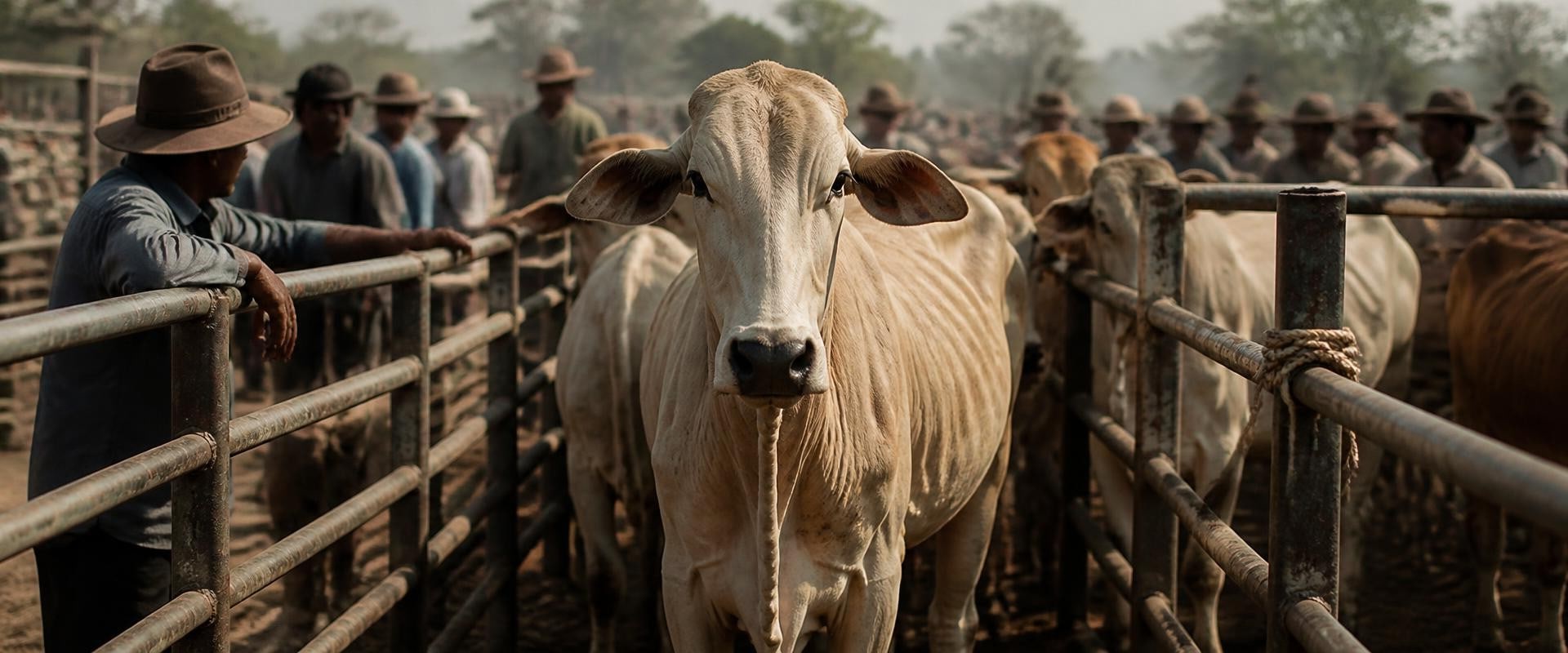
Livestock trading is a critical component of the global agricultural economy, facilitating the movement of animals for various purposes, including meat production, dairy farming, and breeding. However, this complex system raises significant concerns regarding animal welfare. As livestock are transported across vast distances, often under stressful conditions, the implications for their health and well-being become increasingly pronounced. Understanding the dynamics of livestock trading is essential for addressing these welfare issues and ensuring humane treatment throughout the supply chain. The impact of livestock trading on animal welfare is multifaceted.
On one hand, it can provide economic opportunities for farmers and contribute to food security. On the other hand, the practices involved in trading can lead to overcrowding, inadequate access to food and water, and exposure to extreme weather conditions. These factors can result in physical and psychological stress for the animals involved. As consumers become more aware of these issues, there is a growing demand for transparency and ethical practices within the livestock industry. In this exploration of livestock trading and its effects on animal welfare, we will delve into the various stages of the trading process, from transportation to market conditions.
By examining these elements closely, we aim to shed light on how current practices can be improved to enhance the welfare of livestock while still meeting economic needs. This discussion is not only relevant for industry stakeholders but also for consumers who are increasingly concerned about the origins of their food and the treatment of animals within the agricultural system.
The Basics of Livestock Trading
Livestock trading refers to the buying and selling of domesticated animals, primarily for agricultural purposes. This process plays a crucial role in the agricultural economy, influencing food production and supply chains. Understanding the fundamentals of livestock trading is essential for grasping its broader implications, particularly concerning animal welfare.The livestock trading process typically involves several key steps:- Breeding: Farmers breed animals to produce livestock that meet market demands.
- Market Research: Traders assess market conditions, prices, and demand for specific types of livestock.
- Transportation: Animals are transported from farms to markets or processing facilities, which can significantly impact their welfare.
- Sale: Livestock is sold at auctions or directly to buyers, including processors and retailers.
- Cattle Trading: Involves the sale of beef and dairy cattle, often influenced by seasonal demand and feed prices.
- Poultry Trading: Focuses on chickens, turkeys, and other birds, typically characterized by high turnover rates.
- Swine Trading: Involves the buying and selling of pigs for meat production, which can be affected by disease outbreaks.
- Sheep Trading: Includes the trade of sheep for meat, wool, or breeding purposes, often seasonal in nature.
For instance, the conditions during transportation and the environments in which animals are kept before sale can lead to stress and health issues. Understanding these processes is vital for stakeholders aiming to improve animal welfare standards within the industry.
Animal Welfare Standards in Livestock Trading
The landscape of livestock trading is significantly shaped by various animal welfare standards and regulations that aim to ensure the humane treatment of animals throughout the trading process. These standards are crucial for promoting ethical practices and safeguarding the well-being of livestock.In many countries, livestock welfare regulations are established by governmental bodies and international organizations. These regulations often include guidelines on:- Transportation conditions: Ensuring that animals are transported in a manner that minimizes stress and injury.
- Housing requirements: Mandating adequate space, ventilation, and access to food and water during transit.
- Handling practices: Training for handlers to reduce fear and pain during loading, unloading, and throughout the trading process.
Such regulations not only protect the animals but also enhance the overall quality of livestock being traded.Moreover, ethical livestock trading practices are increasingly being adopted by businesses that prioritize animal welfare. These practices include:
- Transparency: Providing clear information about sourcing and treatment of livestock.
- Sustainability: Implementing practices that promote long-term animal health and welfare.
- Certification programs: Participating in third-party audits to verify compliance with welfare standards.
The Impact of Livestock Trading on Animal Welfare
The impact of livestock trading on animal welfare is a multifaceted issue that raises significant concerns among animal rights advocates, farmers, and consumers alike.As livestock are transported across long distances for trade, they often experience various forms of stress that can adversely affect their health and well-being.One of the primary welfare concerns in livestock trade is the stress associated with transportation. Animals are frequently subjected to overcrowded conditions, extreme temperatures, and prolonged periods without food or water. This can lead to a range of health issues, including:
- Dehydration: Animals may not receive adequate hydration during transport, leading to severe dehydration.
- Injury: The risk of injury increases due to cramped conditions and rough handling.
- Illness: Stress can weaken the immune system, making animals more susceptible to diseases.
Animals are social creatures that thrive in stable environments. The disruption caused by trading can lead to anxiety and behavioral issues, which may persist even after they reach their destination.Ethical considerations further complicate the landscape of livestock trading. Many argue that the commodification of animals for profit often overshadows their welfare needs. This raises questions about the moral responsibilities of traders and consumers alike.
Are we prioritizing economic gain over the humane treatment of sentient beings?In conclusion, while livestock trading is an essential component of the agricultural economy, it is crucial to address the associated welfare concerns. Implementing stricter regulations and promoting best practices in transportation can help mitigate these impacts and ensure that animal welfare is prioritized throughout the trading process.
Case Studies: Livestock Trading and Animal Welfare Incidents
The impact of livestock trading on animal welfare can be starkly illustrated through various case studies that reveal the often harsh realities faced by animals during and after the trading process. These incidents not only highlight the ethical concerns surrounding livestock trading but also emphasize the need for improved regulations and practices.Case Study 1: The Long-Distance Transport of Cattle
A notable incident occurred in 2019 when a shipment of cattle was transported over 1,500 miles across multiple states. Reports indicated that many animals suffered from dehydration and stress due to inadequate access to water and food during transit.The long hours spent in cramped conditions led to injuries and even fatalities among the herd. This case underscores the critical need for stricter guidelines on livestock trading logistics, particularly concerning transport duration and animal care.
Case Study 2: Auction House Conditions
Another alarming example comes from a series of investigations into auction houses where livestock are traded. In one instance, undercover footage revealed overcrowded pens, lack of veterinary care, and aggressive handling by staff. Animals were seen exhibiting signs of distress, such as excessive vocalization and attempts to escape their enclosures.This situation raises questions about the welfare standards upheld in places where livestock are bought and sold.
Case Study 3: Export Practices
International livestock trading has also been scrutinized, particularly regarding the export of live animals to countries with less stringent welfare regulations. A report from 2020 highlighted a shipment of sheep sent to a foreign market where they faced extreme heat conditions without adequate shelter or water. Many sheep succumbed to heat stress during transit, illustrating the dire consequences of prioritizing profit over animal welfare.These case studies serve as a reminder that while livestock trading is an integral part of the agricultural economy, it must be conducted with a commitment to humane treatment and welfare standards. Addressing these issues requires collaboration among traders, regulators, and animal welfare organizations to ensure that animals are treated with respect throughout their lives.Alternatives to Traditional Livestock Trading Practices
As concerns about animal welfare continue to rise, exploring alternatives to traditional livestock trading becomes increasingly important.These alternatives not only prioritize the well-being of animals but also promote sustainable practices within the agricultural sector.One promising approach is the implementation of humane livestock practices. This includes systems that ensure animals are treated with respect and care throughout their lives. For instance, adopting pasture-based systems allows livestock to roam freely, reducing stress and promoting natural behaviors. Additionally, these systems often lead to healthier animals and better-quality products for consumers.Another alternative is the use of direct-to-consumer sales.
By eliminating middlemen in the livestock trading process, farmers can establish a direct relationship with consumers. This not only enhances transparency but also allows consumers to make informed choices about the origins of their meat and dairy products. Farmers can share their practices and commitment to animal welfare, fostering a community that values ethical treatment.
Sustainable animal trade
initiatives are also gaining traction. These programs focus on responsible breeding and trading practices that minimize stress during transportation and handling.For example, utilizing smaller transport vehicles can reduce overcrowding and allow for more frequent breaks during long journeys, ensuring that animals arrive at their destinations in better condition.Moreover, technology plays a crucial role in enhancing animal welfare within livestock trading. Innovations such as tracking systems can monitor the health and well-being of animals throughout the supply chain. This data-driven approach enables farmers and traders to identify potential issues early on, ensuring timely interventions.In conclusion, transitioning to alternatives that prioritize animal welfare is essential for the future of livestock trading. By embracing humane practices, direct sales models, sustainable trade initiatives, and technological advancements, we can create a more ethical and responsible livestock industry.
Future Trends in Livestock Trading and Animal Welfare
The future of livestock trading is poised for significant transformation, driven by advancements in technology and a growing emphasis on animal welfare.As consumers become more conscious of the ethical implications of their food choices, stakeholders in the livestock industry are increasingly adopting practices that prioritize the well-being of animals.
Emerging Trends in Livestock Trading
One notable trend is the integration of technology into livestock management. Innovations such as smart collars and wearable sensors allow farmers to monitor the health and behavior of animals in real-time. This data-driven approach enables early detection of health issues, ensuring that animals receive timely care and reducing stress during the trading process.Innovations Enhancing Animal Welfare
- Blockchain technology is gaining traction in livestock trading, providing transparency and traceability throughout the supply chain. This ensures that animals are treated humanely and allows consumers to make informed choices.
- Virtual auctions are becoming more popular, reducing the need for physical transportation of animals.
This minimizes stress associated with travel and handling, contributing to better overall welfare.
- The rise of sustainable farming practices, such as regenerative agriculture, promotes healthier environments for livestock, which can lead to improved animal health and welfare.
FAQs About Livestock Trading and Animal Welfare
Understanding the relationship between livestock trading and animal welfare is crucial for consumers, farmers, and policymakers alike. Here are some frequently asked questions that shed light on this important topic:- What are the main concerns regarding animal welfare in livestock trading?
The primary concerns include stress during transportation, overcrowding, and inadequate access to food and water.Animals may also face health risks due to long journeys and poor handling practices.
- How does livestock trading affect the mental well-being of animals?
Animals experience stress and anxiety during trading processes, which can lead to behavioral issues. The unfamiliar environments and separation from familiar companions can exacerbate these feelings. - Are there regulations in place to protect animal welfare during livestock trading?
Yes, many countries have established regulations aimed at ensuring humane treatment during transport and trade. However, enforcement can vary significantly, leading to inconsistencies in animal welfare standards. - What role do consumers play in improving animal welfare in livestock trading?
Consumers can advocate for better practices by supporting brands that prioritize animal welfare. By choosing products from farms that adhere to humane standards, consumers can drive demand for ethical livestock trading. - How can technology improve animal welfare in livestock trading?
Innovations such as tracking systems for monitoring animal conditions during transport and virtual marketplaces can enhance transparency and accountability in the livestock trade.
Engaging with these issues not only benefits animals but also promotes a more ethical food system overall.
Conclusion: The Path Forward for Livestock Trading and Animal Welfare
In conclusion, the impact of livestock trading on animal welfare is profound and multifaceted. Throughout this article, we have explored various dimensions of this issue, highlighting both the challenges and opportunities that exist within the current trading practices. One of the most pressing concerns is the stress and suffering that animals often endure during transportation and handling. As we have seen, long journeys, overcrowded conditions, and inadequate care can lead to significant welfare issues. Therefore, it is imperative that stakeholders in the livestock trading industry prioritize humane treatment at every stage of the supply chain. To move forward effectively, several key strategies must be implemented:- Improved Regulations: Governments and regulatory bodies should enforce stricter guidelines regarding animal welfare during trading.
This includes setting limits on transport times and ensuring adequate space and resources for animals.
- Education and Training: Providing training for traders, transporters, and handlers on best practices in animal welfare can significantly reduce stress and injury rates among livestock.
- Transparency in Practices: Encouraging transparency in livestock trading operations can help consumers make informed choices. This can lead to increased demand for ethically sourced products, thereby incentivizing better practices.
- Collaboration with Welfare Organizations: Engaging with animal welfare organizations can provide valuable insights and resources to improve conditions for livestock during trading.