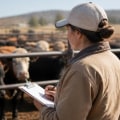
Livestock trading is a vital component of the agricultural economy, encompassing the buying and selling of animals such as cattle, sheep, pigs, and poultry. This market is not just about the exchange of livestock; it involves a complex web of relationships, regulations, and economic factors that influence prices and availability. Understanding the intricacies of this market is essential for anyone involved in agriculture or animal husbandry. At the heart of livestock trading are livestock brokers, who serve as intermediaries between buyers and sellers. These professionals play a crucial role in facilitating transactions, ensuring that both parties achieve favorable outcomes.
Brokers possess extensive knowledge of market trends, pricing strategies, and the specific needs of their clients. Their expertise helps streamline the trading process, making it more efficient and less risky for all involved. The significance of livestock brokers extends beyond mere transactions; they also provide valuable insights into market dynamics and assist in navigating regulatory requirements. By leveraging their networks and industry connections, brokers can help clients access a broader range of opportunities, whether they are looking to buy livestock for breeding or sell surplus animals. As we delve deeper into the world of livestock trading, it becomes clear that understanding the role of brokers is essential for anyone looking to succeed in this competitive landscape.
What is Livestock Trading?
Livestock trading refers to the buying and selling of farm animals, which plays a crucial role in the agricultural economy.This practice encompasses various types of livestock, including cattle, sheep, pigs, and poultry. The livestock market is dynamic and influenced by factors such as supply and demand, market trends, and consumer preferences.In essence, livestock trading serves multiple purposes:
- Commercial Production: Farmers and ranchers engage in livestock trading to optimize their herds for meat, milk, or wool production.
- Genetic Improvement: Breeders trade livestock to enhance genetic diversity and improve desirable traits in their herds.
- Market Fluctuations: Traders respond to market conditions, buying low and selling high to maximize profits.
Types of Livestock Traded
The types of livestock commonly traded can be categorized as follows:- Cattle: This includes beef and dairy cattle, which are among the most traded livestock due to their economic importance.
- Pigs: Swine are traded for pork production and are known for their rapid growth rates.
- Sheep: Sheep are valued for both meat (lamb) and wool, making them a versatile option in livestock trading.
- Poultry: Chickens, turkeys, and ducks are frequently traded for their meat and eggs.
The Role of Livestock Brokers
In the realm of livestock trading, livestock brokers serve as crucial intermediaries, facilitating transactions between buyers and sellers.Their expertise and industry knowledge play a significant role in ensuring that trades are conducted smoothly and efficiently.
Functions of Livestock Brokers
- Market Knowledge: Brokers possess in-depth knowledge of market trends, pricing, and demand for various livestock types. This insight allows them to advise clients on the best times to buy or sell.
- Negotiation Skills: Skilled negotiators, brokers work to secure the best possible prices for their clients. They understand the nuances of pricing and can navigate complex negotiations effectively.
- Network Connections: A well-established broker has a vast network of contacts within the industry, including farmers, ranchers, and buyers. This network is invaluable for finding potential buyers or sellers quickly.
- Transaction Facilitation: Brokers handle the logistics of transactions, including paperwork and compliance with regulations.
This ensures that all legal requirements are met, reducing the risk for both parties involved.
Importance of Brokers in Trading
The importance of livestock brokers in trading cannot be overstated. They not only streamline the buying and selling process but also provide a layer of trust and security in transactions. By acting as a third party, brokers help mitigate risks associated with livestock trading, such as price volatility and fraud.Furthermore, brokers often provide additional services such as market analysis reports and advice on livestock management practices. This comprehensive support helps clients make informed decisions that can lead to greater profitability in their operations.In summary, livestock brokers play an essential role in the livestock trading ecosystem by leveraging their expertise to facilitate successful transactions while providing valuable insights and support to their clients.
How Livestock Brokers Operate
Livestock brokers play a crucial role in the livestock trading ecosystem by acting as intermediaries between buyers and sellers.Their operations are multifaceted, involving various steps to ensure smooth transactions and optimal outcomes for all parties involved.
Connecting Buyers and Sellers
One of the primary functions of a livestock broker is to connect buyers with sellers. They maintain extensive networks within the agricultural community, allowing them to identify potential buyers for livestock that sellers wish to offload. Brokers often have a deep understanding of market trends, which enables them to advise sellers on the best times to sell their livestock for maximum profit.
The Auction Process
Brokers are heavily involved in the livestock auction process. They organize and facilitate auctions, ensuring that all necessary logistics are in place.
This includes:
- Marketing Livestock: Brokers promote the livestock available for auction through various channels, including online platforms and traditional advertising.
- Setting Auction Terms: They establish the terms of sale, including starting bids and reserve prices, which protect sellers from underselling their animals.
- Conducting Auctions: During the auction, brokers manage the bidding process, ensuring that it runs smoothly and fairly. They also provide real-time updates on bids to keep participants engaged.
Post-Auction Responsibilities
After the auction concludes, brokers continue to play an essential role. They handle the transfer of ownership and ensure that payments are processed efficiently. Additionally, they may assist with logistics related to transporting livestock from sellers to buyers, further simplifying the process for both parties.In summary, livestock brokers are integral to livestock trading, facilitating connections between buyers and sellers while managing the complexities of auctions and post-sale processes.
Their expertise not only enhances market efficiency but also helps ensure that transactions are conducted fairly and transparently.
Benefits of Using a Livestock Broker
Utilizing a livestock broker can significantly enhance the trading experience for both buyers and sellers in the livestock market. Here are some key benefits:- Market Expertise: Livestock brokers possess extensive knowledge of the market, including current trends, pricing, and demand. This expertise allows them to provide valuable insights that can help buyers make informed decisions and sellers maximize their profits.
- Access to a Broader Network: Brokers often have established relationships with various stakeholders in the livestock industry, including farmers, ranchers, and buyers. This network enables them to connect sellers with potential buyers more efficiently than if they were to navigate the market independently.
- Time Efficiency: The process of buying or selling livestock can be time-consuming.
Brokers streamline this process by handling negotiations, paperwork, and logistics, allowing clients to focus on their core business activities.
- Negotiation Skills: Experienced brokers are skilled negotiators who can advocate on behalf of their clients. They understand the nuances of livestock trading and can secure better deals than individuals might achieve on their own.
- Risk Management: Engaging a broker can help mitigate risks associated with livestock trading. They can provide guidance on market fluctuations and help clients make strategic decisions that protect their investments.
Challenges Faced by Livestock Brokers
Livestock brokers play a crucial role in the livestock trading industry, but they face numerous challenges that can impact their effectiveness and profitability.Understanding these challenges is essential for anyone involved in or considering entering the livestock market.
Market Fluctuations
One of the most significant challenges faced by livestock brokers is market fluctuations. Prices for livestock can vary dramatically due to factors such as supply and demand, seasonal changes, and economic conditions. For instance, during periods of drought or feed shortages, prices may spike, while an oversupply can lead to plummeting prices. Brokers must stay informed about these trends to advise their clients effectively and make timely decisions.Regulatory Issues
Another challenge is navigating the complex web of regulatory issues.Livestock trading is subject to various local, state, and federal regulations that can change frequently. Brokers must ensure compliance with health standards, transportation regulations, and animal welfare laws. Failure to adhere to these regulations can result in fines or legal repercussions, making it imperative for brokers to stay updated on the latest requirements.
Building Trust and Relationships
Establishing trust with both buyers and sellers is vital for brokers but can be challenging. The livestock market often involves significant financial transactions, and clients need assurance that their broker will act in their best interests.Building long-term relationships requires transparency, effective communication, and a proven track record of successful trades.
Competition
The livestock brokerage industry is competitive, with many brokers vying for the same clients. This competition can drive down commission rates and make it harder for brokers to differentiate themselves. To succeed, brokers must develop unique selling propositions and offer exceptional service that sets them apart from their competitors.In conclusion, while livestock brokers play a vital role in facilitating livestock trading, they must navigate various challenges including market fluctuations, regulatory issues, trust-building with clients, and intense competition. Addressing these challenges effectively is key to thriving in this dynamic industry.The Future of Livestock Trading and Brokers
The landscape of livestock trading is poised for significant transformation in the coming years, driven by advancements in technology and shifting market dynamics.As the demand for sustainable and ethically sourced meat continues to rise, brokers will need to adapt their strategies to meet these evolving consumer preferences.
Future Trends in Livestock Trading
One of the most notable trends is the increasing emphasis on transparency and traceability in the supply chain. Consumers are becoming more conscious of where their food comes from, prompting brokers to provide detailed information about livestock origins, health, and treatment. This shift not only enhances consumer trust but also encourages brokers to leverage technology for better data management.Technology's Impact on Brokers
Technological innovations such as blockchain and artificial intelligence are set to revolutionize livestock trading. Blockchain can offer a secure and transparent way to track livestock from farm to table, ensuring that all parties involved have access to accurate information.Meanwhile, AI can assist brokers in analyzing market trends, predicting prices, and optimizing trading strategies.
- Blockchain: Enhances traceability and security in transactions.
- Artificial Intelligence: Provides insights into market dynamics and pricing strategies.
- Data Analytics: Helps brokers make informed decisions based on real-time data.
Evolving Market Dynamics
The market for livestock is also becoming increasingly globalized. Brokers will need to navigate international regulations and trade agreements, which can impact pricing and availability. As new markets emerge, understanding local customs and consumer preferences will be crucial for success.In conclusion, the future of livestock trading will be shaped by technological advancements and changing consumer demands. Brokers who embrace these changes and leverage technology effectively will be well-positioned to thrive in this dynamic environment.FAQs About Livestock Brokers and Trading
Understanding the role of livestock brokers in livestock trading can help clarify many common questions.Here are some frequently asked questions:
- What is a livestock broker?
A livestock broker is a professional who facilitates the buying and selling of livestock. They act as intermediaries between buyers and sellers, ensuring that transactions are smooth and efficient. - How do livestock brokers get paid?
Typically, livestock brokers earn a commission based on the sale price of the animals they help trade. This commission can vary depending on the broker's agreement with their clients. - Do I need a broker to trade livestock?
While it is not mandatory to use a broker for livestock trading, having one can provide valuable insights and access to a broader network of buyers and sellers, which can enhance your trading experience. - What services do livestock brokers provide?
In addition to facilitating sales, brokers often provide market analysis, pricing advice, and logistical support, helping clients navigate the complexities of the livestock market. - Are there risks involved in using a livestock broker?
As with any business relationship, there are risks. It's essential to choose a reputable broker to avoid potential scams or unethical practices.Always conduct thorough research before engaging with a broker.
Conclusion: The Essential Role of Livestock Brokers in Trading
In summary, livestock brokers play a crucial role in the world of livestock trading, acting as intermediaries who facilitate transactions between buyers and sellers. Their expertise not only streamlines the trading process but also enhances market efficiency.Throughout this article, we have explored several key functions that livestock brokers perform:- Market Knowledge: Brokers possess in-depth knowledge of market trends, pricing, and demand, which enables them to provide valuable insights to their clients.
- Negotiation Skills: They are skilled negotiators who can secure favorable terms for both parties, ensuring that trades are beneficial and fair.
- Network Connections: With extensive networks in the industry, brokers can connect buyers and sellers who may not have found each other otherwise.
- Risk Management: Brokers help mitigate risks associated with livestock trading by advising on market fluctuations and potential pitfalls.
- Regulatory Compliance: They ensure that all transactions comply with local and federal regulations, protecting their clients from legal issues.
By bridging the gap between producers and consumers, brokers enhance liquidity and foster trust within the industry.As the landscape of livestock trading continues to evolve with technological advancements and changing consumer preferences, the role of brokers will remain vital. Their ability to adapt and provide tailored solutions will ensure that they remain indispensable players in this dynamic market.