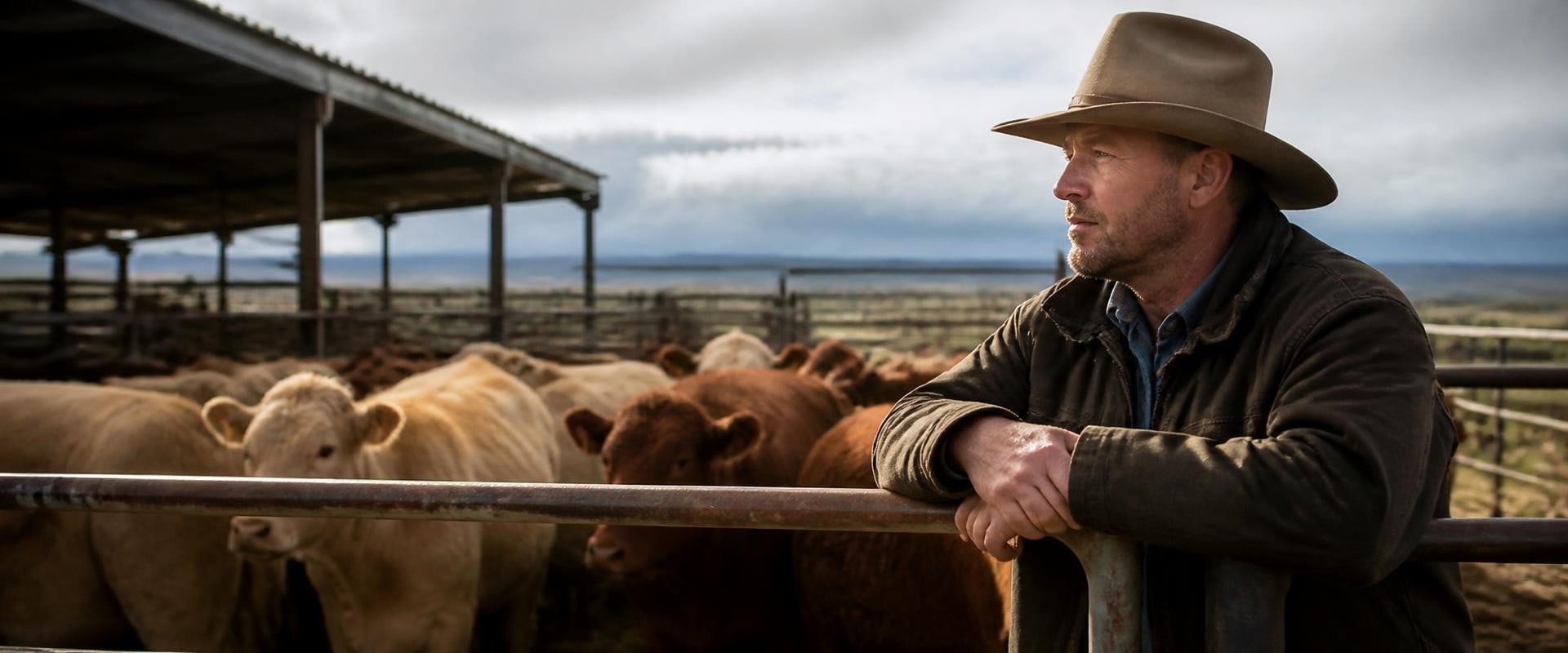
In the world of livestock trading, understanding market dynamics is crucial for success. Market downturns can significantly impact livestock prices, leading to financial strain for traders who are unprepared. These downturns often arise from various factors, including economic shifts, changes in consumer demand, and fluctuations in feed costs. Recognizing these trends is essential for traders to navigate the complexities of the market effectively. When a downturn occurs, it can create a ripple effect throughout the entire supply chain.
Livestock prices may plummet, affecting not only traders but also farmers and consumers. For instance, if beef prices drop due to oversupply or decreased demand, traders may find themselves with unsold inventory and dwindling profit margins. Understanding the signs of an impending downturn allows traders to make informed decisions, such as adjusting their buying strategies or diversifying their portfolios. Moreover, staying attuned to livestock market trends can provide valuable insights into potential future movements. By analyzing historical data and current market conditions, traders can better anticipate changes and prepare accordingly.
This proactive approach not only mitigates risks but also positions traders to capitalize on opportunities that may arise during recovery phases. In essence, grasping the nuances of livestock prices and market fluctuations is vital for anyone involved in livestock trading.
Analyzing Market Trends and Indicators
To effectively navigate the complexities of livestock trading, traders must prioritize the analysis of market trends and indicators. Understanding these elements can significantly enhance decision-making and help anticipate potential downturns.Key Metrics to Monitor:
- Price Trends: Regularly track historical price data for various livestock categories. This includes observing seasonal fluctuations and identifying patterns that may indicate future price movements.
- Supply and Demand Dynamics: Analyze factors affecting supply, such as feed costs, weather conditions, and disease outbreaks.
Similarly, monitor demand indicators like consumer preferences and export levels.
- Market Reports: Utilize reports from agricultural departments and industry associations that provide insights into livestock inventories, slaughter rates, and market forecasts.
- Economic Indicators: Keep an eye on broader economic indicators such as inflation rates, interest rates, and employment statistics, as these can influence consumer spending on meat products.
Tools for Analysis:
- Data Analytics Software: Invest in software that can analyze large datasets to identify trends and correlations in livestock prices.
- Market News Platforms: Subscribe to platforms that provide real-time updates on market conditions, allowing traders to react swiftly to changes.
- Social Media Insights: Monitor social media channels for consumer sentiment and emerging trends that could impact livestock demand.
Diversification Strategies for Livestock Traders
In the volatile world of livestock trading, implementing effective diversification strategies is crucial for mitigating risks, especially during market downturns. By spreading investments across various livestock types and related sectors, traders can cushion their portfolios against sudden price fluctuations.1.Diversifying Livestock Types
- Cattle: Investing in both beef and dairy cattle can provide a buffer, as these markets may not always move in tandem.
- Poultry: Including poultry in your portfolio can be beneficial, as chicken and egg prices often react differently to market conditions compared to larger livestock.
- Swine: Adding pigs to your trading strategy can further diversify your risk, as pork demand can vary independently from beef and poultry.
2.Geographic Diversification
Traders should also consider geographic diversification. By sourcing livestock from different regions, they can reduce the impact of local market downturns.
For instance, if one area experiences a drought affecting feed prices, another region may remain stable, allowing traders to balance their overall risk.
3.Investing in Related Industries
- Feed Production: Investing in companies that produce livestock feed can provide a hedge against rising feed costs.
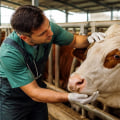
- Veterinary Services: Supporting businesses that offer veterinary care or livestock health products can also be a smart move, as healthy animals are essential for maintaining market value.
4.Utilizing Financial Instruments
Livestock traders can also explore financial instruments such as futures contracts and options to hedge against price declines. These tools allow traders to lock in prices or protect against losses, providing an additional layer of security during uncertain times.By adopting these diversification strategies, livestock traders can enhance their resilience against market downturns and position themselves for long-term success in the industry.
Financial Planning and Risk Management
In the volatile world of livestock trading, effective financial planning and robust risk management strategies are essential for traders looking to navigate market downturns. By implementing sound budgeting techniques and utilizing financial tools, traders can better prepare for unexpected challenges.Importance of Financial Planning
A comprehensive financial plan serves as a roadmap for livestock traders. It helps in identifying potential risks and establishing a clear strategy for managing them.Key components of financial planning include:
- Cash Flow Management: Understanding cash flow is crucial. Traders should regularly monitor income and expenses to ensure they can cover operational costs during downturns.
- Emergency Fund: Setting aside an emergency fund can provide a financial cushion during tough times, allowing traders to maintain operations without resorting to high-interest loans.
- Investment Diversification: Diversifying investments across different livestock types or related agricultural ventures can mitigate risks associated with market fluctuations.
Risk Management Strategies
Implementing effective risk management strategies is vital for minimizing losses during downturns. Here are some strategies that livestock traders can adopt:- Market Analysis: Regularly analyzing market trends and consumer demand can help traders make informed decisions about when to buy or sell livestock.
- Insurance Options: Exploring insurance policies tailored for livestock can protect against unforeseen events such as disease outbreaks or natural disasters.
- Contract Farming: Engaging in contract farming agreements can provide price stability and reduce exposure to market volatility.
Building Strong Relationships with Buyers and Sellers
In the world of livestock trading, establishing and nurturing strong relationships with both buyers and sellers is crucial, especially during market downturns. These connections can serve as a lifeline, providing support and opportunities when the market becomes unpredictable.Networking for Traders
- Attend industry events, such as livestock shows and auctions, to meet potential buyers and sellers face-to-face.
- Join local and national livestock associations to expand your network and gain access to valuable resources.
- Utilize social media platforms to connect with other traders, share insights, and stay informed about market trends.
This exchange can be particularly beneficial during downturns when quick access to reliable information can make a significant difference in decision-making.
Understanding Buyer-Seller Dynamics
Successful livestock trading hinges on understanding the dynamics between buyers and sellers. Traders should strive to:
- Communicate openly with buyers about their needs and expectations, fostering trust and transparency.
- Be responsive to inquiries and feedback, demonstrating commitment to customer satisfaction.
- Offer flexible terms or incentives during tough times to maintain loyalty and encourage repeat business.
Utilizing Technology and Data Analytics
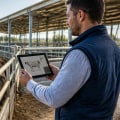
In the ever-evolving landscape of livestock trading, leveraging technology and data analytics has become essential for traders aiming to navigate market downturns effectively. By utilizing advanced tools and platforms, traders can gain valuable insights that inform their decision-making processes.Key Technologies in Livestock Trading
- Market Analysis Software: Tools like AgriWebb and Livestocked provide real-time data on livestock prices, market trends, and competitor analysis.
These platforms enable traders to make informed decisions based on current market conditions.
- Mobile Applications: Apps such as CattleMax allow traders to manage their herds and track performance metrics from anywhere. This mobility ensures that traders can respond quickly to market changes.
- Blockchain Technology: Implementing blockchain can enhance transparency in transactions, ensuring that all parties have access to the same information regarding livestock provenance and health records.
The Role of Data Analytics
Data analytics plays a crucial role in identifying patterns and predicting future market movements. By analyzing historical data, traders can:- Forecast Price Trends: Utilizing predictive analytics helps traders anticipate price fluctuations, allowing them to buy or sell at optimal times.
- Assess Risk: Advanced analytics tools can evaluate various risk factors associated with livestock trading, enabling traders to develop strategies that mitigate potential losses during downturns.
- Optimize Inventory Management: Data-driven insights assist in managing herd sizes and feed costs, ensuring that resources are allocated efficiently even in challenging market conditions.
Preparing for Future Market Changes: Trends to Watch
As the livestock trading landscape continues to evolve, it is crucial for traders to stay informed about future trends that could impact their operations.Understanding these trends not only helps in making informed decisions but also in adapting strategies to mitigate risks associated with market downturns.
1.Technological Advancements
- Data Analytics: The use of big data and analytics is becoming increasingly prevalent in livestock trading. Traders can leverage data to predict market movements, assess consumer preferences, and optimize supply chains.
- Blockchain Technology: This technology enhances transparency and traceability in livestock trading, which can build consumer trust and potentially lead to better pricing.
2.Changing Consumer Preferences
- Sustainable Practices: There is a growing demand for sustainably sourced meat products. Traders who adapt to these preferences by sourcing from farms that prioritize animal welfare and environmental sustainability may find new market opportunities.
- Health Trends: As consumers become more health-conscious, the demand for organic and grass-fed livestock products is on the rise. Traders should consider diversifying their offerings to include these products.
3.Economic Indicators
- Global Market Trends: Keeping an eye on international trade agreements and tariffs can provide insights into potential market fluctuations.
For instance, changes in trade policies can significantly affect livestock prices.
- Inflation Rates: Economic conditions such as inflation can impact consumer spending power, which in turn affects demand for livestock products. Traders should monitor these indicators closely.
FAQs About Preparing for Market Downturns in Livestock Trading
As livestock trading can be unpredictable, many traders have questions about how to effectively prepare for market downturns. Here are some common queries and insights that can help:- What are the signs of an impending market downturn?
Traders should watch for indicators such as declining prices, increased supply, and changes in consumer demand.Economic reports and industry news can also provide valuable insights.
- How can I mitigate risks during a downturn?
Diversifying your livestock portfolio is crucial. Consider investing in different types of livestock or related products to spread risk. Additionally, maintaining a cash reserve can help you navigate tough times. - Should I adjust my trading strategy?
Yes, adapting your strategy is essential. This may involve reducing inventory levels, adjusting pricing strategies, or exploring alternative markets.Staying flexible allows you to respond quickly to changing conditions.
- What role does market research play?
Conducting thorough market research helps traders understand trends and consumer preferences. Utilize tools like market analysis reports and competitor assessments to inform your decisions. - How can I stay informed about market changes?
Subscribe to industry newsletters, join livestock trading forums, and attend agricultural conferences. Networking with other traders can also provide insights into market dynamics.
Conclusion: Key Takeaways for Livestock Traders Facing Market Downturns
In summary, livestock trading can be a volatile venture, particularly during market downturns. However, by implementing strategic planning and preparation, traders can mitigate risks and navigate these challenging times more effectively.Here are the key takeaways for livestock traders:
- Diversification of Livestock: Traders should consider diversifying their livestock portfolio. By investing in different species or breeds, they can reduce the impact of a downturn affecting a specific market segment.
- Market Research: Staying informed about market trends and consumer demands is crucial. Regularly analyzing market data helps traders anticipate downturns and adjust their strategies accordingly.
- Financial Planning: Establishing a solid financial plan that includes budgeting for lean periods can provide a safety net. This may involve setting aside reserves or securing lines of credit to maintain operations during downturns.
- Networking and Collaboration: Building relationships with other traders, suppliers, and industry experts can provide valuable insights and support during tough times.
Collaborative efforts can lead to shared resources and better market positioning.
- Adapting Sales Strategies: During downturns, it may be necessary to adjust sales strategies. This could involve exploring alternative markets or adjusting pricing strategies to remain competitive.