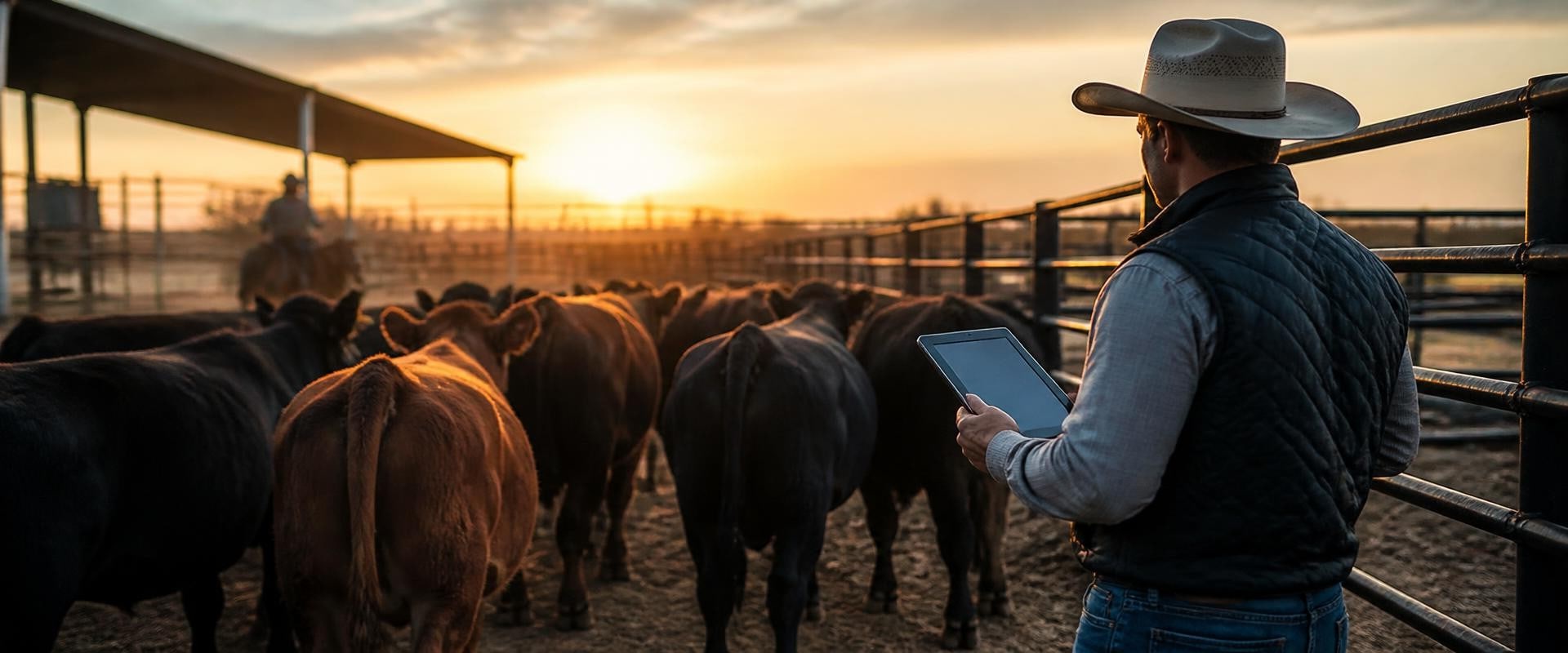
Livestock trading is a vital component of the agricultural economy in the United States, serving as a bridge between producers and consumers. This dynamic market involves the buying and selling of various types of livestock, including cattle, pigs, sheep, and poultry. Understanding the intricacies of livestock trading is essential for anyone involved in agriculture, as it not only influences pricing but also impacts food supply chains and rural economies. The livestock market operates through various channels, including auctions, direct sales, and online platforms. Each method has its own set of advantages and challenges, shaping how livestock is valued and traded.
For instance, auction markets often create competitive bidding environments that can drive prices up, while direct sales may offer more stable pricing but less market visibility. As technology continues to evolve, the integration of digital platforms into livestock trading is becoming increasingly prevalent, allowing for greater transparency and efficiency. In recent years, several trends have emerged within the livestock trading sector that reflect broader economic shifts and consumer preferences. Factors such as sustainability, animal welfare concerns, and changing dietary habits are influencing how livestock is raised and marketed. As we delve deeper into these trends later in this article, it becomes clear that understanding livestock trading is not just about transactions; it's about recognizing its role in shaping the future of food production and consumption in America.
Current Market Trends in Livestock Trading
The landscape of livestock trading in the United States is undergoing significant changes in 2023, driven by various factors that influence both supply and demand.Understanding these current trends is crucial for stakeholders in the industry.
Market Fluctuations
One of the most notable trends is the volatility in livestock prices. Recent statistics indicate that prices for cattle and hogs have experienced fluctuations due to shifting consumer preferences and global market dynamics. For instance, the demand for grass-fed beef has surged, leading to increased prices for premium livestock. Conversely, traditional grain-fed beef prices have seen a decline as consumers become more health-conscious.
Supply Chain Dynamics
The ongoing challenges in the supply chain, exacerbated by recent global events, have also impacted livestock trading.
Disruptions in feed supply and transportation logistics have led to a tighter supply of livestock, which in turn affects pricing. Producers are adapting by exploring alternative feed sources and enhancing their logistics strategies to mitigate these challenges.
Technological Advancements
Another trend shaping the market is the adoption of technology in livestock trading. Digital platforms are becoming increasingly popular for buying and selling livestock, allowing for greater transparency and efficiency. These platforms provide real-time data on market trends and pricing, enabling traders to make informed decisions.
Sustainability Practices
Moreover, sustainability is becoming a key focus within the industry.
Many producers are adopting sustainable practices to meet consumer demand for ethically sourced products. This shift not only influences trading patterns but also affects pricing as consumers are often willing to pay a premium for sustainably raised livestock.In conclusion, the livestock market trends of 2023 reflect a complex interplay of market fluctuations, supply chain dynamics, technological advancements, and sustainability practices. Stakeholders must stay informed about these trends to navigate the evolving landscape effectively.
Technological Innovations Impacting Livestock Trading
The landscape of livestock trading in the United States is undergoing a significant transformation, driven largely by advancements in technology. These innovations are not only enhancing efficiency but also improving transparency and trust within the market.Digital Platforms for Livestock Trading
One of the most notable trends is the rise of digital platforms that facilitate livestock trading.These platforms allow buyers and sellers to connect more easily than ever before. For instance, online marketplaces enable farmers to list their livestock for sale, complete with detailed descriptions and health records. This accessibility helps to broaden the market reach for sellers while providing buyers with a wider selection of animals.
Data Analytics in Livestock Trading
Moreover, data analytics plays a crucial role in modern livestock trading. By analyzing market trends, pricing data, and consumer preferences, traders can make informed decisions that optimize their operations.For example, predictive analytics can help farmers determine the best times to sell their livestock based on historical price fluctuations and demand forecasts.
Blockchain Technology in Agriculture
Another groundbreaking innovation is the implementation of blockchain technology. This decentralized ledger system enhances traceability and accountability in livestock trading. Each transaction can be recorded on the blockchain, providing an immutable history of ownership and health records. This transparency not only builds consumer trust but also helps in ensuring compliance with regulations regarding food safety and animal welfare.In conclusion, as technology continues to evolve, its impact on livestock trading will likely grow even more profound.Embracing these innovations will be essential for stakeholders looking to thrive in an increasingly competitive marketplace.
Regulatory Changes Affecting Livestock Trading
In recent years, regulatory changes have significantly influenced the landscape of livestock trading in the United States. The U.S. Department of Agriculture (USDA) has implemented several policies aimed at enhancing market transparency and ensuring fair practices among traders.One notable change is the introduction of stricter reporting requirements for livestock sales. These regulations mandate that producers and traders report transactions more promptly and accurately, which helps to create a clearer picture of market dynamics.This increased transparency is intended to protect both buyers and sellers from unfair practices and price manipulation.Additionally, the USDA has focused on improving animal welfare standards within the livestock trading sector. New guidelines have been established to ensure that animals are treated humanely throughout the trading process. Compliance with these standards is not only a legal requirement but also a growing expectation among consumers who are increasingly concerned about ethical sourcing.
- Impact on Market Operations: The regulatory changes have led to a more structured trading environment, which can benefit reputable traders while posing challenges for those who may not comply with the new standards.
- USDA Policies: The USDA's commitment to enforcing these regulations has resulted in increased scrutiny of livestock markets, which can lead to penalties for non-compliance.
- Future Trends: As regulations continue to evolve, traders must stay informed about changes that could affect their operations, including potential shifts towards more sustainable practices.
As the industry evolves, staying abreast of regulatory developments will be crucial for anyone involved in livestock trading.
Sustainability Trends in Livestock Trading
In recent years, the landscape of livestock trading in the United States has been significantly influenced by a growing consumer demand for sustainability. As awareness of environmental issues rises, consumers are increasingly seeking out sustainable livestock trading practices that prioritize animal welfare and ecological balance.This shift in consumer preference is prompting producers and traders to adopt eco-friendly practices in livestock management. For instance, many farms are now implementing rotational grazing techniques, which not only improve soil health but also enhance the quality of pastureland. This method allows livestock to graze on different sections of land, reducing overgrazing and promoting biodiversity.Moreover, there is a notable trend towards organic certification in livestock production.Consumers are willing to pay a premium for meat products that are certified organic, as these products are perceived to be healthier and more environmentally friendly. This has led many livestock traders to align their operations with organic standards, ensuring that their practices meet the rigorous requirements set forth by certifying bodies.
- Transparency: Consumers are demanding greater transparency regarding the origins of their meat. Livestock traders are responding by providing detailed information about farming practices, feed sources, and animal treatment.
- Local Sourcing: There is a growing preference for locally sourced meat products. This trend supports local economies and reduces the carbon footprint associated with long-distance transportation.
- Animal Welfare: Ethical treatment of animals is becoming a non-negotiable aspect of livestock trading.
Traders who prioritize animal welfare often see increased consumer loyalty and trust.
Challenges Facing the Livestock Trading Industry
The livestock trading industry in the United States faces a myriad of challenges that can significantly impact its stability and profitability. Understanding these challenges is crucial for stakeholders aiming to navigate the complexities of this market.Economic Downturns
One of the primary challenges is the susceptibility to economic downturns.When the economy falters, consumer demand for meat and dairy products often declines, leading to reduced prices for livestock. This can create a ripple effect throughout the supply chain, affecting farmers, traders, and processors alike.
Disease Outbreaks
Disease outbreaks, such as avian influenza or foot-and-mouth disease, pose significant risks to livestock trading. These outbreaks can lead to widespread culling of affected animals, resulting in immediate financial losses for producers. Furthermore, they can trigger trade restrictions both domestically and internationally, limiting market access and exacerbating economic pressures.Trade Restrictions
Trade policies also play a critical role in shaping the landscape of livestock trading.Tariffs and trade agreements can either facilitate or hinder market access. For instance, changes in international trade agreements may lead to increased tariffs on U.S. livestock exports, making American products less competitive in foreign markets.
Market Volatility
The livestock market is inherently volatile, influenced by various factors including feed prices, weather conditions, and global demand shifts. This volatility can create uncertainty for traders and producers, making it challenging to plan for the future.Regulatory Challenges
Additionally, regulatory challenges can complicate livestock trading.Compliance with federal and state regulations regarding animal welfare, environmental standards, and food safety can impose significant costs on producers and traders. Navigating these regulations requires time and resources that could otherwise be invested in improving operational efficiency.In conclusion, while the livestock trading industry presents numerous opportunities, it is equally fraught with challenges that require careful management and strategic planning to overcome.
Future Outlook for Livestock Trading in the U.S.
The future of livestock trading in the United States is poised for significant evolution, driven by technological advancements, changing consumer preferences, and regulatory shifts. As we look towards 2024 and beyond, several key trends are emerging that will shape the landscape of this vital industry.Technological Integration
One of the most notable trends is the increasing integration of technology in livestock trading. Platforms utilizing blockchain technology are gaining traction, offering enhanced transparency and traceability in transactions.This not only builds trust among buyers and sellers but also helps in maintaining compliance with food safety regulations.
Sustainability and Ethical Practices
As consumers become more environmentally conscious, there is a growing demand for sustainably sourced livestock products. Traders who prioritize sustainable practices—such as organic farming and humane treatment of animals—are likely to see increased interest from buyers. This shift towards sustainability is expected to influence pricing structures and trading strategies significantly.Market Predictions for 2024
- Increased Demand: Experts predict a rise in demand for premium livestock products, particularly as health-conscious consumers seek higher quality meat options.
- Global Trade Dynamics: Changes in international trade policies may open new markets for U.S. livestock, impacting supply chains and pricing.
- Digital Marketplaces: The growth of online trading platforms will likely continue, making it easier for farmers to connect with buyers directly, thus reducing reliance on traditional auction systems.
Stakeholders who adapt to these changes will be better positioned to thrive in the competitive landscape of livestock trading.
Frequently Asked Questions about Livestock Trading
As the livestock trading market evolves, many individuals and businesses have questions about how to navigate this complex landscape. Below are some frequently asked questions that can help clarify common concerns and provide guidance for those interested in livestock trading.What is livestock trading?
Livestock trading involves the buying and selling of farm animals such as cattle, sheep, pigs, and poultry. This market can be influenced by various factors including supply and demand, market trends, and seasonal changes.How do I start in livestock trading?
- Research the Market: Understand current trends, prices, and the types of livestock that are in demand.
- Choose Your Livestock: Decide which type of livestock you want to trade based on your interests and market research.
- Find Reliable Sources: Establish relationships with reputable breeders or auctions to ensure quality livestock.
- Understand Regulations: Familiarize yourself with local laws and regulations regarding livestock trading to ensure compliance.
- Start Small: Begin with a manageable number of animals to minimize risk while you learn the ropes.
What are the risks involved in livestock trading?
Like any investment, livestock trading carries risks. These can include:- Market Volatility: Prices can fluctuate significantly based on market conditions.
- Disease Outbreaks: Livestock can be susceptible to diseases that may affect their health and market value.
- Regulatory Changes: New laws or regulations can impact how you trade livestock.
How can I stay updated on livestock market trends?
To keep abreast of the latest trends in livestock trading, consider the following:- Subscribe to Industry Newsletters: Many organizations provide updates on market trends and prices.
- Join Online Forums: Engage with other traders to share insights and experiences.
- Attend Trade Shows: These events offer valuable networking opportunities and insights into industry developments.
Conclusion: Key Takeaways on Livestock Trading Trends
As we conclude our exploration of the current trends in livestock trading in the United States, several key takeaways emerge that underscore the dynamic nature of this industry.Understanding these trends is crucial for stakeholders, including farmers, traders, and investors, who seek to navigate the complexities of the market effectively.
- Market Volatility: The livestock trading sector is experiencing increased volatility due to factors such as climate change, feed prices, and global trade policies. Staying informed about these fluctuations can help traders make more strategic decisions.
- Technological Integration: The adoption of technology in livestock trading is on the rise. From blockchain for traceability to advanced analytics for market predictions, leveraging these tools can enhance operational efficiency and transparency.
- Sustainability Practices: There is a growing emphasis on sustainable practices within livestock trading. Consumers are increasingly demanding ethically sourced products, prompting traders to adapt their practices to meet these expectations.
- Global Market Influence: The interconnectedness of global markets means that international events can significantly impact local livestock trading.
Keeping an eye on global trends is essential for anticipating changes in domestic markets.