Livestock trading plays a crucial role in the agricultural economy, serving as a vital link between producers and consumers. This practice not only supports local farmers but also contributes significantly to the overall economy by ensuring a steady supply of meat, dairy, and other animal products. As global demand for livestock products continues to rise, understanding the intricacies of livestock transport becomes increasingly important for those involved in this sector.The process of livestock trading encompasses various stages, from breeding and raising animals to transporting them to markets where they can be sold. Each stage requires careful planning and execution to ensure the health and welfare of the animals, as well as compliance with regulations.
Effective transportation practices are essential, as they directly impact the quality of livestock and the profitability of trade. Poor handling during transport can lead to stress, injury, or even death, which not only affects animal welfare but also results in financial losses for traders.As we delve deeper into the best practices for transporting livestock, it is essential to recognize that successful trading hinges on understanding both market dynamics and animal welfare standards. By prioritizing safe and humane transport methods, traders can enhance their reputation in the livestock market, foster consumer trust, and ultimately contribute to a more sustainable agricultural system.
Regulatory Considerations for Livestock Transport
Transporting livestock for trade involves navigating a complex landscape of regulatory considerations that are crucial for ensuring both compliance and animal welfare. Understanding these regulations is essential for anyone involved in livestock trading.Livestock Transport Regulations
- Each state has its own set of livestock transport regulations, which may include specific guidelines on vehicle requirements, loading densities, and travel times.
- Federal regulations, such as those enforced by the United States Department of Agriculture (USDA), also play a significant role in establishing standards for the humane treatment of animals during transport.
- It is vital to stay updated on any changes to these regulations, as non-compliance can lead to severe penalties, including fines and loss of trading licenses.
Animal Welfare Laws
- Animal welfare laws are designed to protect livestock during transport.
These laws mandate that animals are treated humanely and that their physical and psychological needs are met.
- Key aspects include ensuring adequate ventilation, access to water, and appropriate space to prevent overcrowding.
- Failure to adhere to these laws not only jeopardizes the health of the animals but can also damage a trader's reputation and business viability.
Transportation Permits
- Before transporting livestock, it is often necessary to obtain specific transportation permits. These permits may vary based on the type of livestock being transported and the distance of travel.
- Permits help ensure that all parties involved in the transport process are compliant with local and federal regulations.
- It is advisable to check with local agricultural departments or regulatory bodies to understand the necessary permits required for your specific situation.
Choosing the Right Transportation Method
When it comes to livestock trading, selecting the appropriate transportation method is crucial for ensuring the health and safety of the animals, as well as the efficiency of the trade process. There are several methods available, each with its own advantages and disadvantages.Truck Transport
One of the most common methods for transporting livestock is by truck.This method offers flexibility in terms of routes and schedules, allowing traders to reach various markets efficiently. However, there are some considerations:
- Pros:
- Direct delivery to farms or markets.
- Ability to transport smaller loads, which can be beneficial for niche markets.
- More control over the environment, such as temperature and ventilation.
- Cons:
- Higher costs associated with fuel and maintenance.
- Potential for longer travel times due to traffic or road conditions.
- Limited capacity compared to rail transport.
Rail Transport
Rail transport is another viable option for moving livestock, particularly over long distances. This method can be more economical for larger shipments but comes with its own set of challenges:- Pros:
- Cost-effective for transporting large quantities of livestock.
- Less environmental stress on animals during transit due to stable conditions.
- Reduced risk of accidents compared to road transport.
- Cons:
- Limited flexibility in terms of routes; animals may need to be transferred to trucks for final delivery.
- Longer loading and unloading times can lead to increased stress on animals.
- Potential delays due to scheduling issues with rail services.
Preparing Livestock for Transport
Transporting livestock for trade requires meticulous preparation to ensure their health and safety during transit.Proper preparation not only enhances the welfare of the animals but also minimizes stress, which can affect their market value.
Health Checks
Before embarking on any transport, conducting thorough health checks is essential. This includes:- Veterinary Examination: Schedule a visit from a veterinarian to assess the overall health of the livestock. Ensure that all animals are free from diseases and fit for travel.
- Vaccinations: Ensure that all vaccinations are up to date, as this can prevent the spread of diseases during transport.
- Identification: Properly identify each animal with tags or microchips to facilitate tracking and ensure accountability.
Feeding Before Transport
Feeding strategies play a crucial role in preparing livestock for transport. Here are some best practices:- Adequate Feeding: Provide a balanced diet leading up to the transport day.
This helps maintain energy levels and reduces stress.
- Timing: Avoid feeding animals immediately before transport. Instead, feed them several hours prior to loading to allow for digestion and minimize the risk of discomfort during transit.
- Hydration: Ensure that all animals have access to fresh water before loading. Dehydration can lead to serious health issues during transport.
Loading and Unloading Procedures
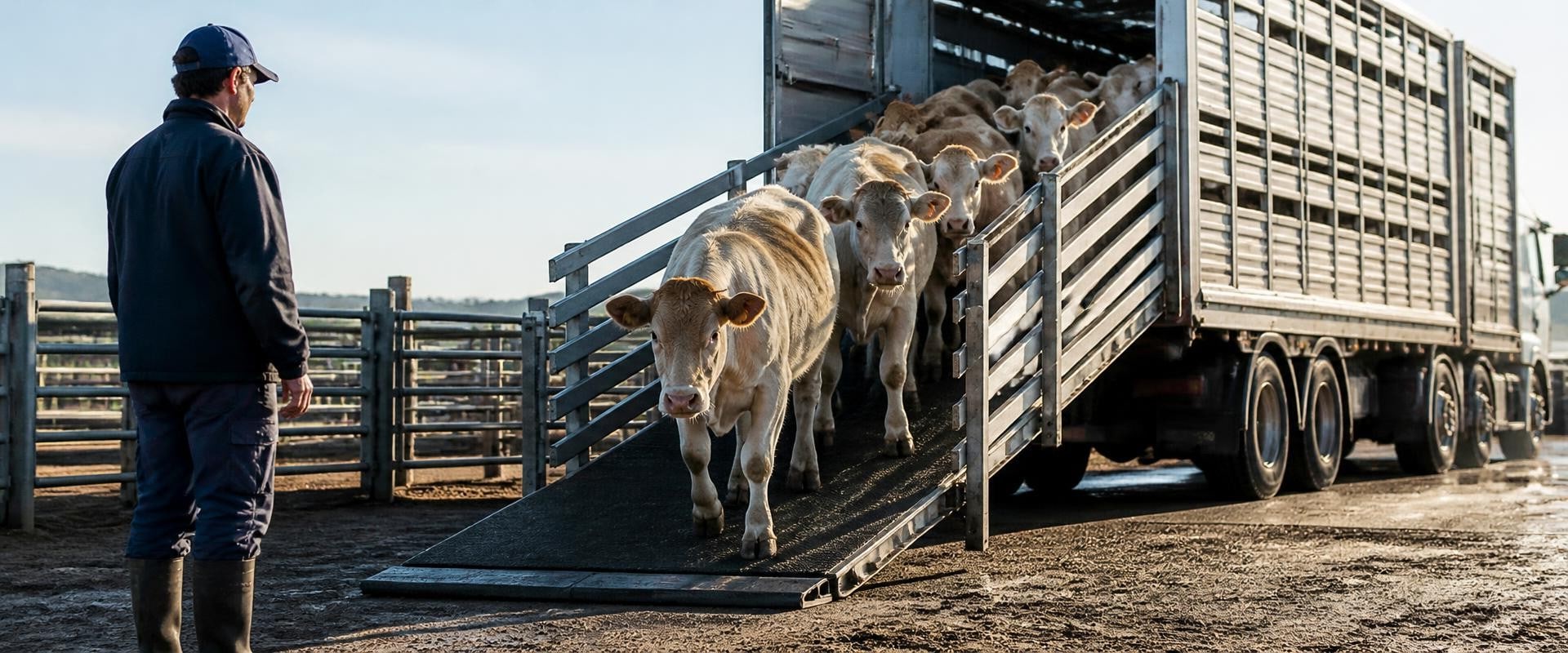
Transporting livestock requires careful attention to loading and unloading procedures to ensure the safety and well-being of the animals. Proper handling during these phases can significantly reduce stress and the risk of injury.Loading Livestock Safely
When loading livestock, it is essential to follow a systematic approach:- Preparation: Ensure that the transport vehicle is clean, secure, and equipped with non-slip flooring.
Familiarize the animals with the loading area beforehand.
- Calm Environment: Minimize noise and distractions. Use gentle movements and calm voices to reassure the animals.
- Use of Ramps: If using a ramp, ensure it is sturdy and has a gentle incline. This helps prevent slips and falls.
- Group Loading: Load animals in small groups to avoid overcrowding and panic. Monitor their behavior closely during this process.
Unloading Livestock Procedures
The unloading process is equally critical:- Assess the Area: Before unloading, check that the destination area is safe and free from hazards.
- Slow Release: Open the trailer doors slowly to prevent startling the animals.
Allow them to exit at their own pace.
- Guidance: Use gentle nudges or guiding tools to encourage movement without causing stress.
Handling Livestock During Transport
Throughout transport, maintaining a calm atmosphere is vital:- Regular Checks: Monitor the animals frequently for signs of distress or discomfort. Adjust ventilation and temperature as needed.
- Sufficient Space: Ensure that each animal has enough space to stand comfortably without overcrowding.
- Nourishment: Provide access to water during long journeys, and consider offering feed if appropriate for the duration of transport.
Monitoring Livestock During Transport
Transporting livestock for trade requires careful attention to their health and well-being throughout the journey.Monitoring livestock health during transport
is crucial to ensure that animals arrive at their destination in good condition. This involves regular checks on their physical state, behavior, and overall comfort.One of the primary factors to consider is temperature control.Livestock are sensitive to extreme temperatures, which can lead to stress and health issues. It is essential to maintain an optimal temperature within the transport vehicle. This can be achieved by:
- Using insulated trailers that help regulate temperature.
- Employing fans or ventilation systems to ensure adequate airflow.
- Monitoring external weather conditions and adjusting transport schedules accordingly.
To mitigate stress, consider the following strategies:
- Minimize loading and unloading times to reduce anxiety.
- Provide adequate space for each animal to move comfortably.
- Use calming techniques, such as soft music or familiar scents, to create a more soothing environment.
Post-Transport Care for Livestock
After the transportation of livestock, it is crucial to implement effective post-transport care to ensure their health and well-being. The stress of travel can significantly impact animals, making recovery a priority before they enter the market.Assessing Livestock Condition
Upon arrival, the first step is to conduct a thorough assessment of each animal's condition.Look for signs of stress or injury, such as:
- Labored breathing
- Excessive salivation
- Unusual vocalizations
- Visible injuries
Providing Adequate Rest and Nutrition
After assessing their condition, allow the livestock to rest in a calm environment. Stress can lead to health complications, so minimizing disturbances is vital. Additionally, provide access to clean water and high-quality feed to aid in their recovery.Consider the following:
- Ensure water is readily available and at a comfortable temperature.
- Introduce feed gradually to avoid digestive issues.
- Monitor their eating habits closely for any signs of reluctance.
Monitoring Health Post-Transport
For several days following transport, keep a close eye on the livestock's behavior and health. Look for:- Changes in appetite
- Signs of dehydration
- Behavioral changes, such as isolation from the herd
Common Challenges in Livestock Transport and Solutions
Transporting livestock for trade presents several challenges that can impact the health and safety of the animals, as well as the efficiency of the operation. Understanding these challenges and implementing effective solutions is crucial for successful livestock trading. One of the primary challenges is stress experienced by animals during transport.Stress can lead to health issues and decreased market value. To mitigate this, it is essential to:
- Ensure adequate space in transport vehicles to allow animals to stand comfortably.
- Minimize travel time by planning efficient routes.
- Provide proper ventilation and temperature control within the transport vehicle.
- Training staff on safe handling techniques.
- Using appropriate loading ramps and equipment designed for livestock.
- Conducting regular inspections of loading areas to ensure safety standards are met.
Animals can be exposed to pathogens during transit, which can lead to outbreaks. To combat this risk:
- Implement strict biosecurity measures before and during transport.
- Ensure that vehicles are cleaned and disinfected regularly.
- Monitor animal health closely before transport to identify any potential issues.
- Regularly reviewing transportation laws and guidelines.
- Maintaining accurate records of all transport activities.
- Engaging with local agricultural authorities for updates on regulations.
FAQs About Livestock Transport for Trade
Transporting livestock for trade involves several considerations that can impact the health and safety of the animals, as well as the success of the trade itself.Here are some frequently asked questions regarding this critical aspect of livestock trading.
What are the best practices for loading livestock?
- Calm Environment: Ensure that the loading area is quiet and free from distractions to minimize stress on the animals.
- Proper Handling: Use gentle handling techniques to guide animals into transport vehicles, avoiding any rough treatment.
- Space Considerations: Provide adequate space in the transport vehicle to prevent overcrowding, which can lead to injury and stress.
How can I ensure the welfare of livestock during transport?
- Regular Breaks: Schedule regular stops during long journeys to allow animals to rest, hydrate, and feed.
- Temperature Control: Monitor and maintain appropriate temperature levels within the transport vehicle to prevent overheating or chilling.
- Health Checks: Conduct health checks before and during transport to identify any issues that may arise.
What documentation is required for livestock transport?
- Health Certificates: Obtain health certificates from a veterinarian to confirm that animals are fit for travel.
- Transport Permits: Ensure you have all necessary permits required by local and federal regulations for transporting livestock.
What are common concerns in livestock trading related to transport?
- Animal Stress: Traders often worry about how transport conditions affect animal stress levels and overall health.
- Legal Compliance: Ensuring compliance with regulations can be a significant concern, as violations can lead to fines or loss of trade opportunities.
- Market Value: The condition of livestock upon arrival can impact their market value, making proper transport essential for maintaining quality.