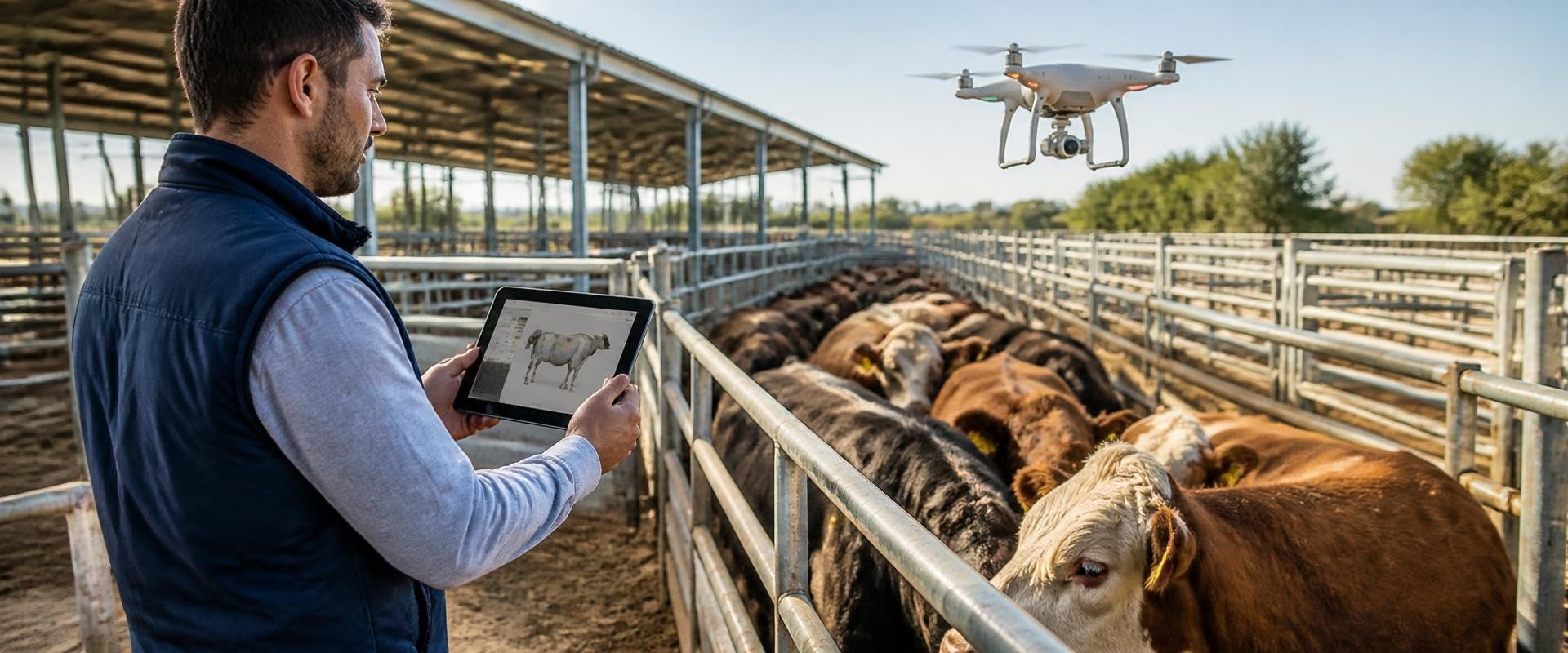
Livestock trading plays a crucial role in the agricultural economy, serving as a vital link between producers and consumers. This dynamic market not only facilitates the exchange of animals but also supports the livelihoods of countless farmers and ranchers. As global demand for meat, dairy, and other animal products continues to rise, understanding the intricacies of livestock trading becomes increasingly important for stakeholders at every level. The significance of livestock trading extends beyond mere transactions; it influences market trends, pricing strategies, and even food security. In many regions, livestock serves as a form of currency, representing both economic value and cultural heritage.
As such, the ability to efficiently trade livestock can have profound implications for rural development and sustainability. In recent years, technological advancements have begun to reshape the landscape of livestock trading. From digital marketplaces to blockchain technology, these innovations are enhancing transparency, efficiency, and trust within the industry. As we delve deeper into this topic, we will explore how these technologies are revolutionizing livestock trading and what this means for the future of agriculture.
Overview of Traditional Livestock Trading Practices
Traditional livestock trading has long been a cornerstone of agricultural economies, relying heavily on established practices such as livestock auctions and direct sales between farmers and buyers. These methods have their roots in community-based interactions, where local farmers would gather to sell their animals to the highest bidder or negotiate sales directly with interested parties.Livestock Auctions
Livestock auctions serve as a popular venue for trading, where sellers present their animals to potential buyers in a competitive bidding environment.This method allows for transparency in pricing, as buyers can see what others are willing to pay. However, auctions also come with challenges:
- Market Fluctuations: Prices can vary significantly based on demand, seasonality, and even the weather, making it difficult for sellers to predict earnings.
- Transportation Costs: Livestock must often be transported to auction sites, incurring additional costs that can eat into profits.
- Time Constraints: Auctions typically occur at specific times, which may not align with the seller's schedule or the optimal selling conditions.
Direct Sales
Another traditional method is through direct sales, where farmers negotiate prices directly with buyers. This approach can foster stronger relationships between producers and consumers but also presents its own set of challenges:- Lack of Market Access: Smaller farmers may struggle to find buyers without the visibility that auctions provide.
- Negotiation Skills: Successful direct sales require strong negotiation skills, which not all farmers possess.
- Trust Issues: Establishing trust between buyers and sellers can be difficult, especially in regions where personal connections are less common.
Emerging Technologies in Livestock Trading
The landscape of livestock trading is rapidly evolving, driven by the adoption of various emerging technologies.These innovations are not only enhancing efficiency but also improving transparency and trust within the market.
Digital Marketplaces
One of the most significant advancements in livestock trading is the rise of digital marketplaces. These platforms allow buyers and sellers to connect directly, eliminating the need for intermediaries. This direct interaction can lead to better pricing and more competitive offers. Some popular digital platforms include:- AgriWebb: A farm management software that integrates livestock trading features.
- Livestock Exchange: An online auction platform that facilitates real-time bidding.
- Cattle Market Central: A marketplace specifically designed for cattle trading.
Blockchain Technology
Blockchain technology is another groundbreaking innovation making waves in the agricultural sector, particularly in livestock trading.By utilizing a decentralized ledger, blockchain enhances traceability and accountability throughout the supply chain. Key benefits include:
- Transparency: Every transaction is recorded and can be audited, reducing fraud.
- Traceability: Consumers can verify the origin of their meat products, ensuring quality and safety.
- Smart Contracts: Automated contracts that execute when conditions are met, streamlining transactions.
The Role of Mobile Applications in Livestock Trading
In recent years, mobile applications have emerged as a transformative force in the realm of livestock trading. These apps are designed to connect farmers, traders, and buyers, streamlining the entire process and making it more efficient.One of the primary advantages of mobile technology in agriculture is the accessibility it provides.Farmers can now access real-time market information, including prices and demand trends, directly from their smartphones. This immediate access allows them to make informed decisions about when and where to sell their livestock.Moreover, mobile applications often feature user-friendly interfaces that simplify the listing and purchasing processes. For instance, farmers can upload images and descriptions of their livestock, making it easier for potential buyers to evaluate their options. This not only enhances visibility but also increases the chances of a successful sale.
- Enhanced Communication: Mobile apps facilitate direct communication between buyers and sellers, allowing for negotiations and inquiries to occur in real-time.
- Market Insights: Many applications provide analytics and insights into market trends, helping users understand pricing fluctuations and consumer preferences.
- Transaction Security: With integrated payment systems, mobile apps ensure secure transactions, reducing the risk of fraud that can occur in traditional trading methods.
Farmers can access tutorials on best practices for livestock management, health care tips, and even market strategies. This knowledge empowers them to improve their operations and increase profitability.In conclusion, the integration of mobile applications into livestock trading is revolutionizing how transactions are conducted in the agricultural sector. By providing easy access to markets and valuable information, these technologies are not only enhancing efficiency but also fostering a more connected community of farmers and traders.
Blockchain Technology: Ensuring Transparency and Trust
In recent years, blockchain technology has emerged as a revolutionary tool in the realm of livestock trading, addressing long-standing issues of transparency and trust. By providing a decentralized ledger that records every transaction, blockchain ensures that all parties involved in livestock transactions have access to the same information, thereby reducing the potential for fraud.One of the primary benefits of blockchain in livestock trading is its ability to enhance transparency in agriculture.Each animal can be assigned a unique digital identity that tracks its entire lifecycle—from birth to sale. This includes details such as health records, breeding history, and ownership changes. Such comprehensive tracking not only assures buyers of the quality and provenance of the livestock but also helps sellers build a credible reputation.Moreover, the immutable nature of blockchain records means that once data is entered, it cannot be altered or deleted. This feature significantly boosts trust in livestock transactions, as all stakeholders can verify the authenticity of the information without relying on a central authority.
For instance, if a buyer wants to confirm the health status of an animal, they can easily access its complete history on the blockchain.Additionally, blockchain facilitates faster transactions by automating processes through smart contracts. These self-executing contracts automatically enforce agreements when predefined conditions are met, reducing delays and minimizing disputes between buyers and sellers.In conclusion, the integration of blockchain technology into livestock trading not only enhances transparency and trust but also streamlines operations within the agricultural sector. As more stakeholders adopt this technology, we can expect a significant reduction in fraud and an overall improvement in the efficiency of livestock transactions.
Data Analytics and Its Impact on Livestock Trading Decisions
In the rapidly evolving landscape of livestock trading, data analytics has emerged as a pivotal tool that empowers traders and farmers alike to make informed decisions. By leveraging vast amounts of data, stakeholders can optimize their strategies, ensuring better pricing and inventory management.Understanding Data Analytics in Agriculture
Data analytics in agriculture encompasses the collection, processing, and analysis of data related to livestock health, market trends, and environmental conditions.
This information is crucial for making timely decisions that can significantly impact profitability. For instance, by analyzing historical price trends and current market demands, traders can set competitive prices that attract buyers while maximizing their margins.
Enhancing Decision Making in Livestock Trading
Effective decision-making in livestock trading relies heavily on accurate data interpretation. Farmers can utilize analytics to assess the health and growth rates of their livestock, allowing them to determine the optimal time for sale. Additionally, predictive analytics can forecast market fluctuations, enabling traders to anticipate changes in demand and adjust their inventory accordingly.
- Market Analysis: By examining data from various sources, traders can identify emerging trends and shifts in consumer preferences.
- Risk Management: Data analytics helps in assessing risks associated with livestock diseases or market downturns, allowing for proactive measures.
- Supply Chain Optimization: Analyzing logistics data ensures efficient transportation and storage of livestock, reducing costs and improving quality.
The Role of Predictive Analytics for Farmers
Predictive analytics plays a crucial role in helping farmers make strategic decisions regarding breeding, feeding, and selling their livestock.
By utilizing algorithms that analyze past performance data alongside current market conditions, farmers can predict future outcomes with greater accuracy. This not only enhances profitability but also contributes to sustainable farming practices by minimizing waste and optimizing resource use.In conclusion, the integration of data analytics into livestock trading is transforming how decisions are made within the industry. As technology continues to advance, those who harness these analytical tools will likely gain a competitive edge in the marketplace.
The Future of Livestock Trading: Trends and Predictions
The livestock trading industry is on the brink of a significant transformation, driven by advancements in technology and changing market dynamics. As we look to the future, several key trends are emerging that will shape the way livestock is bought and sold.- Increased Use of Blockchain Technology: Blockchain is set to revolutionize livestock trading by providing a transparent and secure method for tracking the provenance of animals.
This technology ensures that all transactions are recorded in an immutable ledger, enhancing trust among buyers and sellers.
- Data-Driven Decision Making: The integration of big data analytics in agriculture is allowing traders to make more informed decisions. By analyzing market trends, consumer preferences, and livestock health data, traders can optimize their strategies and improve profitability.
- Rise of E-commerce Platforms: Online marketplaces for livestock trading are becoming increasingly popular. These platforms not only widen the reach for sellers but also provide buyers with a broader selection of livestock. The convenience of online transactions is likely to drive further growth in this sector.
- Sustainability and Ethical Trading: As consumers become more conscious of sustainability, there is a growing demand for ethically sourced livestock.
Technologies that promote animal welfare and sustainable farming practices will likely gain traction, influencing trading practices.
- Automation and AI: The use of artificial intelligence in livestock management can streamline operations, from breeding to health monitoring. Automated systems can help traders assess livestock quality more efficiently, leading to better pricing strategies.
FAQs About Technology in Livestock Trading
As the livestock industry evolves, many stakeholders have questions about the technologies that are transforming livestock trading. Here are some frequently asked questions that can help clarify these advancements:- What types of technology are commonly used in livestock trading?
The most prevalent technologies include online marketplaces, blockchain for transaction security, and mobile applications that facilitate real-time communication between buyers and sellers.These tools streamline the trading process and enhance transparency.
- How does blockchain improve livestock trading?
Blockchain technology provides a secure and immutable ledger for transactions. This ensures that all parties involved can verify the history of livestock, including health records and ownership, which builds trust among buyers and sellers. - Are there specific platforms for digital livestock markets?
Yes, several platforms specialize in digital livestock markets, such as Livestock Exchange and AgriWebb. These platforms allow users to list their livestock, browse available options, and complete transactions online. - What role do mobile apps play in livestock trading?
Mobile applications enable farmers and traders to access market information on-the-go. They can receive alerts about price changes, manage listings, and communicate directly with potential buyers or sellers. - How does technology enhance transparency in livestock trading?
By utilizing technologies like IoT devices for tracking animal health and location, stakeholders can access real-time data.This transparency helps ensure that all parties are informed about the condition of the livestock being traded.
Conclusion: Embracing Technology for a Sustainable Future in Livestock Trading
As we conclude our exploration of livestock trading and the transformative technologies shaping its future, it is evident that embracing innovation is not just beneficial but essential for sustainability. The integration of digital platforms, blockchain technology, and data analytics has revolutionized how livestock is bought and sold, enhancing transparency and efficiency in the market.One of the most significant advancements is the use of blockchain, which ensures traceability and authenticity in livestock transactions. This technology allows buyers to verify the history of animals, from breeding to health records, fostering trust among stakeholders. Additionally, mobile applications have made it easier for farmers to access markets directly, reducing reliance on intermediaries and increasing profit margins.Moreover, data analytics plays a crucial role in optimizing livestock trading by providing insights into market trends and consumer preferences.By leveraging big data, traders can make informed decisions that align with market demands, ultimately leading to better pricing strategies and reduced waste.In summary, the future of livestock trading hinges on the adoption of these technologies. As the industry continues to evolve, stakeholders must remain adaptable and open to change. By embracing technological advancements, we can ensure a more sustainable and profitable future for livestock trading that benefits farmers, consumers, and the environment alike.