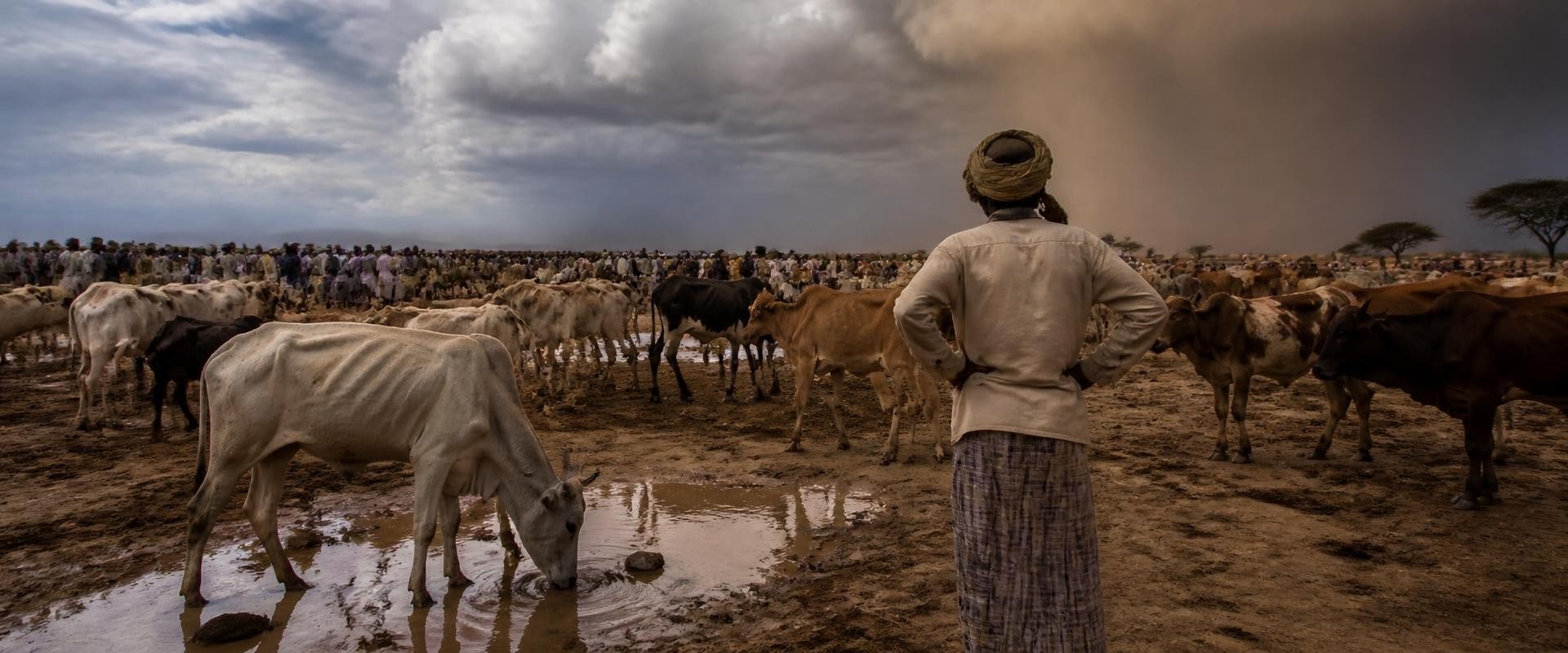
The world of livestock trading is a complex and dynamic sector that plays a crucial role in global food security and economic stability. As countries strive to meet the growing demand for animal protein, the movement of livestock across borders has become increasingly significant. However, this vital industry is not immune to the far-reaching effects of climate change. The changing climate poses numerous challenges that can disrupt traditional trading practices, alter supply chains, and impact livestock health and productivity.Climate change manifests through extreme weather events, shifting rainfall patterns, and rising temperatures, all of which can have profound implications for livestock production.
For instance, prolonged droughts can lead to feed shortages, while excessive rainfall can cause flooding and disease outbreaks. These environmental changes not only threaten the welfare of the animals but also create uncertainty in livestock trading, as traders must navigate fluctuating availability and prices.Moreover, the interconnection between climate change and livestock trading extends beyond immediate impacts on animal health. It also raises questions about sustainability and ethical practices within the industry. As consumers become more aware of the environmental footprint associated with livestock production, there is a growing demand for transparency and responsible sourcing.
This shift in consumer behavior could reshape trading dynamics, pushing traders to adopt more sustainable practices to remain competitive.
The Current State of Livestock Trading
The livestock trading industry is currently experiencing significant shifts influenced by various factors, including consumer preferences, technological advancements, and economic conditions. As of 2023, the global livestock market is valued at approximately $1.5 trillion, with a projected growth rate of 3.5% annually over the next five years. This growth is driven by increasing demand for meat and dairy products, particularly in developing regions where rising incomes are leading to higher consumption rates.In the United States, the livestock market remains robust, with cattle and hogs being the primary commodities traded. The U.S.cattle inventory stands at around 94 million head, while hog inventories are approximately 77 million head. These figures indicate a stable supply chain, although fluctuations in feed prices and export demands can create volatility in trading patterns.
Current Livestock Trading Trends
- Increased Export Activity: Countries like Brazil and Australia are expanding their export markets, particularly to Asia, where demand for beef and lamb is surging.
- Sustainability Focus: There is a growing trend towards sustainable livestock practices, with consumers increasingly favoring products that are certified organic or grass-fed.
- Technological Integration: The use of blockchain technology for tracking livestock provenance is gaining traction, enhancing transparency and trust in the trading process.
Factors such as extreme weather events, changing pasture conditions, and shifts in feed availability could significantly impact both supply and demand in this vital industry.
How Climate Change Affects Livestock Production
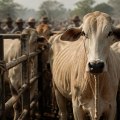
Climate change poses significant challenges to livestock production, impacting various aspects of animal husbandry and trade. One of the most immediate effects is heat stress, which can severely affect livestock health and productivity. As global temperatures rise, animals are exposed to higher heat levels, leading to decreased feed intake, lower reproductive performance, and increased mortality rates. Producers must adapt their management practices to mitigate these effects, such as providing adequate shade and hydration.Another critical factor is the availability of feed.Climate change can disrupt traditional feed sources due to altered precipitation patterns and extreme weather events. Droughts can lead to reduced forage availability, while floods can damage crops essential for livestock feed. This scarcity not only raises production costs but also threatens food security for both livestock and humans.Furthermore, the prevalence of diseases is expected to increase as climate change alters the habitats of pathogens and vectors. Warmer temperatures can expand the range of diseases like foot-and-mouth disease and tick-borne illnesses, posing a significant risk to livestock health.
Producers must invest in better veterinary care and disease management strategies to protect their herds.In summary, the implications of climate change on livestock trading are profound. Producers face challenges related to heat stress, feed availability, and disease management, all of which can impact their profitability and sustainability. Adapting to these changes is crucial for maintaining healthy livestock populations and ensuring a stable supply chain in the face of a changing climate.
Economic Implications of Climate Change on Livestock Trading
The economic implications of climate change on livestock trading are profound and multifaceted, affecting everything from production costs to market accessibility. As climate patterns shift, livestock producers face increased challenges that can lead to significant price fluctuations in the market.One of the primary economic impacts is the alteration of feed availability and quality.Extreme weather events, such as droughts and floods, can devastate crop yields, leading to a scarcity of feed. This scarcity drives up feed prices, which in turn increases the overall cost of raising livestock. Producers may be forced to pass these costs onto consumers, resulting in higher prices for meat and dairy products.Additionally, climate change can affect livestock health and productivity. Heat stress, for example, can reduce milk production in dairy cows and weight gain in beef cattle.
This decline in productivity not only affects the profitability of individual farms but also has broader implications for supply chains and market stability.
- Market Access: Climate change can also impact market access. Regions that were once viable for livestock trading may become less suitable due to changing climates, forcing producers to seek new markets or adapt their practices.
- Trade Regulations: As countries respond to climate change, new regulations may emerge that affect livestock trading. These regulations could include stricter environmental standards or tariffs on products from regions deemed unsustainable.
- Consumer Preferences: There is a growing consumer demand for sustainably sourced products. Livestock traders may need to adapt their practices to meet these preferences, which could involve additional costs or changes in production methods.
Producers must navigate a complex array of challenges that affect their operational costs and market dynamics. Understanding these implications is crucial for stakeholders aiming to maintain profitability and sustainability in an evolving environment.
Regulatory Changes and Their Impact on Livestock Trading
As climate change continues to reshape environmental conditions, livestock trading is poised to face significant regulatory changes. These changes are primarily driven by the need to mitigate greenhouse gas emissions and adapt to shifting climatic patterns that affect livestock health and productivity.Emerging Regulations
- Governments are increasingly implementing climate policies that directly impact livestock operations. This includes stricter emissions standards for farms and transportation methods used in livestock trading.
- New regulations may require livestock producers to adopt sustainable practices, such as improved waste management systems and feed efficiency measures, which could alter trading dynamics.
- Trade agreements may also evolve to include sustainability clauses, affecting how livestock is sourced and sold across borders.
Impact on Market Operations
The implications of these regulatory changes on livestock trading are multifaceted:
- Compliance Costs: Producers may face increased costs associated with meeting new regulations, which could lead to higher prices for consumers and reduced competitiveness in the market.
- Market Access: Compliance with international climate agreements may restrict access to certain markets for producers who cannot meet the required standards.
- Supply Chain Adjustments: Livestock traders may need to reevaluate their supply chains, opting for suppliers who adhere to sustainable practices, thereby influencing sourcing decisions.
Future Challenges
As climate change continues to evolve, the regulatory landscape surrounding livestock trading will likely become more complex.
Stakeholders must stay informed about potential changes and proactively adapt their practices to ensure compliance and maintain market viability. This proactive approach will be essential for navigating the challenges posed by both climate change and evolving regulations.
Adaptation Strategies for Livestock Traders
As climate change continues to impact the livestock industry, livestock traders must adopt effective adaptation strategies to ensure resilience and sustainability. Here are several actionable strategies that can help mitigate the adverse effects of climate change on livestock trading:- Diversification of Supply Sources: Traders should consider diversifying their supply chains by sourcing livestock from various regions. This approach can help mitigate risks associated with localized climate impacts, such as droughts or floods.
- Investing in Climate-Resilient Breeds: Selecting breeds that are more resilient to heat stress, disease, and changing forage availability can enhance productivity and reduce losses.
Traders should collaborate with breeders who focus on developing such resilient livestock.
- Implementing Sustainable Practices: Adopting sustainable farming practices, such as rotational grazing and integrated pest management, can improve soil health and reduce the carbon footprint of livestock operations. This not only benefits the environment but also enhances the marketability of livestock products.
- Utilizing Technology: Leveraging technology for better data collection and analysis can help traders make informed decisions. Tools like precision agriculture and climate forecasting can assist in predicting weather patterns and optimizing resource allocation.
- Enhancing Supply Chain Transparency: Building a transparent supply chain allows traders to track the environmental impact of their operations. This transparency can foster trust with consumers who are increasingly concerned about sustainability.
- Engaging in Policy Advocacy: Livestock traders should actively engage in policy discussions related to climate change.
By advocating for supportive policies, they can help shape regulations that promote sustainable practices within the industry.
Case Studies: Successful Adaptations in Livestock Trading
As climate change continues to impact global agriculture, the livestock trading sector has witnessed significant adaptations. Several case studies illustrate how stakeholders have successfully navigated these challenges.Case Study 1: Australia’s Drought Management
In Australia, prolonged droughts have forced livestock traders to rethink their strategies. One successful adaptation involved the implementation of drought management plans. These plans included rotational grazing and the use of drought-resistant forage crops.By diversifying feed sources and optimizing land use, traders were able to maintain livestock health and reduce losses during dry spells.
Case Study 2: Brazil’s Sustainable Practices
Brazil has seen a rise in sustainable livestock trading practices that address both climate change and deforestation concerns. The Integrated Crop-Livestock-Forestry (ICLF) system allows farmers to combine crop production with livestock grazing. This method not only enhances productivity but also improves soil health and reduces greenhouse gas emissions. As a result, Brazilian livestock traders have gained access to premium markets that prioritize sustainability.Case Study 3: Technology in the United States
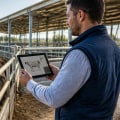
In the United States, technology has played a crucial role in adapting to climate-related challenges in livestock trading.The use of data analytics and precision agriculture tools has enabled traders to monitor weather patterns and optimize feeding schedules. For instance, a cattle ranch in Texas utilized satellite imagery to assess pasture conditions, allowing them to make informed decisions about herd management and trading times.These case studies highlight that while climate change poses significant risks to livestock trading, innovative adaptations can lead to resilience and sustainability. By learning from these examples, other regions can implement similar strategies to mitigate the impacts of climate change on their livestock sectors.
Future Outlook: The Future of Livestock Trading in a Changing Climate
The future of livestock trading is poised to undergo significant transformations as the impacts of climate change become increasingly pronounced. As temperatures rise and weather patterns shift, the livestock industry must adapt to ensure sustainability and profitability.Climate change predictions
indicate that extreme weather events, such as droughts and floods, will become more frequent.These events can disrupt feed supply chains, leading to increased costs for livestock producers. Consequently, traders may face challenges in sourcing animals at stable prices, which could lead to fluctuations in the market.
Adapting to New Market Conditions
To navigate these challenges, stakeholders in livestock trading will need to adopt innovative strategies:- Diversification: Traders may need to diversify their portfolios by incorporating different species or breeds that are more resilient to climate impacts.
- Sustainable Practices: Implementing sustainable farming practices can help mitigate some effects of climate change, making livestock operations more resilient.
- Technological Integration: Utilizing technology for better tracking of livestock health and environmental conditions can enhance decision-making processes.
By proactively adapting to these changes, stakeholders can secure a more sustainable future in an evolving market landscape.
Conclusion: Key Takeaways on Climate Change and Livestock Trading
In summary, the implications of climate change on livestock trading are profound and multifaceted. As we have explored, the shifting climate patterns significantly affect livestock health, productivity, and trade dynamics.Key Takeaways:- Health Risks: Livestock are increasingly vulnerable to heat stress, diseases, and parasites due to rising temperatures and changing weather patterns. This can lead to decreased productivity and higher mortality rates.
- Feed Availability: Climate change impacts the availability and quality of feed crops, which can drive up costs for livestock producers and affect the overall supply chain.
- Market Fluctuations: As regions adapt to climate change, shifts in livestock production areas may occur, leading to market volatility. Traders must stay informed about these changes to mitigate risks.
- Regulatory Changes: Governments are likely to implement stricter regulations regarding emissions and sustainability practices in livestock trading.
Compliance will be essential for market access.
- Consumer Preferences: There is a growing demand for sustainably sourced meat products. Livestock traders may need to adapt their practices to meet consumer expectations for environmentally friendly options.