Livestock trading is a vital component of the agricultural economy in the United States, serving as a bridge between producers and consumers. This practice involves the buying and selling of various types of livestock, including cattle, sheep, pigs, and poultry. The significance of livestock trading extends beyond mere transactions; it plays a crucial role in determining market prices, influencing supply chains, and ensuring food security. As such, understanding the nuances of livestock trading practices is essential for anyone involved in agriculture or interested in the dynamics of food production. Across the nation, livestock markets operate under different regulations and cultural practices that reflect local agricultural traditions and economic conditions.
For instance, states with large cattle ranching operations may have more established auction systems and cooperative marketing strategies compared to those where smaller farms dominate. These variations can significantly impact how livestock is traded, affecting everything from pricing strategies to the types of livestock that are most commonly exchanged. As we delve deeper into this topic, it becomes clear that livestock trading practices are not uniform; they vary widely by state due to factors such as geography, climate, and local demand. Understanding these differences is crucial for farmers, traders, and policymakers alike, as they navigate the complexities of the livestock industry. By examining how these practices differ from one state to another, we can gain valuable insights into the broader agricultural landscape and its implications for future growth and sustainability.
Overview of Livestock Trading in the U.S.
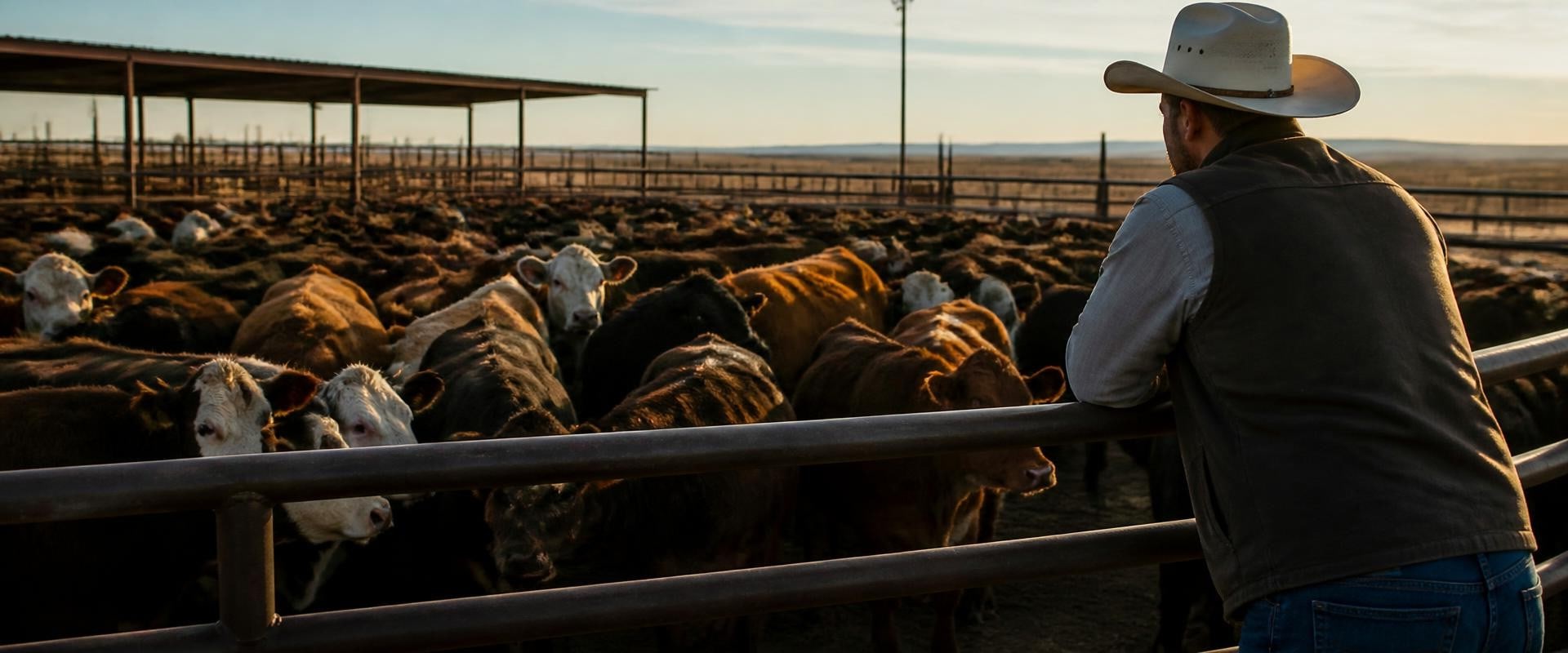
The livestock trading industry in the United States plays a crucial role in the agricultural economy, contributing significantly to both local and national markets.In 2022, the total value of U.S. livestock production was estimated at over $70 billion, with cattle and calves accounting for approximately 60% of this figure. This statistic underscores the importance of livestock trading as a vital component of the agricultural sector.Livestock trading encompasses various practices, including auctions, direct sales, and online platforms, which facilitate the buying and selling of animals such as cattle, sheep, pigs, and poultry. Each state has its own regulations and market dynamics that influence how livestock is traded.
For instance, states like Texas and Nebraska are known for their large cattle operations and robust auction markets, while states like Iowa focus more on hog production.
- Economic Impact: The livestock industry not only provides jobs but also supports ancillary businesses such as feed suppliers, veterinary services, and transportation companies.
- Market Trends: Recent trends indicate a growing demand for organic and grass-fed livestock products, prompting shifts in trading practices to accommodate consumer preferences.
- Technological Advancements: The rise of digital platforms has transformed traditional trading methods, allowing for greater transparency and efficiency in transactions.
State-by-State Analysis of Livestock Trading Practices
The landscape of livestock trading in the United States is as diverse as the states themselves. Each state has developed unique practices influenced by local regulations, market demands, and agricultural traditions.Understanding these variations is crucial for anyone involved in the livestock industry.
Regional Influences on Livestock Trading
- Midwest States: States like Iowa and Nebraska are known for their robust cattle markets. The presence of large feedlots and processing facilities drives a high volume of cattle trading. Auctions are common, with many farmers participating in local livestock fairs.
- Southern States: In states such as Texas and Florida, livestock trading often includes a mix of cattle, hogs, and poultry. The warmer climate allows for year-round grazing, which influences trading patterns.
Additionally, the Southern tradition of rodeos often intertwines with livestock sales.
- Western States: States like Wyoming and Montana focus heavily on sheep and cattle ranching. Here, trading practices may involve more direct sales between ranchers and buyers, often facilitated by online platforms due to the vast distances involved.
- Northeastern States: In states such as Pennsylvania and New York, dairy farming plays a significant role in livestock trading. The emphasis on dairy products leads to different market dynamics compared to meat production states.
Key Factors Influencing Trading Practices
- Regulatory Environment: Each state has its own set of regulations governing livestock health, transportation, and sales. These regulations can significantly impact how livestock is traded.
- Market Access: Proximity to major markets or processing plants can dictate trading practices.
States with easy access to urban centers often see more competitive pricing and diverse trading options.
- Cultural Traditions: Local customs and traditions also shape how livestock is traded. For instance, some regions may have longstanding auction traditions that influence buyer-seller relationships.
Key Factors Influencing Livestock Trading Practices
Understanding the livestock trading landscape requires an examination of several key factors that influence practices across different states. These factors include regulations, market demand, and local economies, each playing a crucial role in shaping how livestock is bought and sold.Regulations
State and federal regulations significantly impact livestock trading.Each state has its own set of laws governing animal health, transportation, and trade practices. For instance, some states may have stricter health inspection requirements for livestock before they can be sold, which can affect the speed and efficiency of trading. Additionally, regulations regarding the use of antibiotics and hormones can vary, influencing farmers' decisions on how to raise their livestock.
Market Demand
The demand for specific types of livestock also varies by region, driven by consumer preferences and market trends. In states with a high demand for beef, such as Texas and Nebraska, cattle trading practices may be more robust compared to states where poultry or hog farming is predominant.This demand influences pricing strategies and the types of livestock that are raised and traded.
Local Economies
The economic conditions of a state can also dictate livestock trading practices. In areas where agriculture is a primary economic driver, there may be more established markets and infrastructure for trading livestock. Conversely, in states where agriculture plays a lesser role in the economy, livestock trading may be less developed. Local economies also affect the availability of resources such as feed and veterinary services, which are essential for maintaining healthy livestock.In summary, the interplay between regulations, market demand, and local economies creates a complex environment for livestock trading.Understanding these factors is essential for stakeholders looking to navigate the diverse landscape of livestock commerce across different states.
Technological Advances in Livestock Trading
The landscape of livestock trading is undergoing a significant transformation due to rapid advancements in technology. Farmers and traders across various states are increasingly adopting digital solutions that streamline the trading process, enhance transparency, and improve overall efficiency.Digital Marketplaces
- One of the most notable innovations is the rise of digital marketplaces. These platforms allow farmers to list their livestock for sale, providing potential buyers with detailed information and images. This not only broadens the reach for sellers but also enables buyers to make informed decisions without geographical limitations.
- States like Texas and Iowa have seen a surge in online auctions, where livestock can be bid on in real-time, making the process faster and more competitive.
Innovations in Agriculture
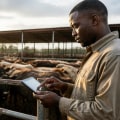
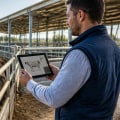
- Technological tools such as mobile apps and software solutions are also playing a crucial role in livestock trading.
These applications help farmers track their herds, manage health records, and monitor market trends, allowing them to make data-driven decisions.
- Moreover, advancements in blockchain technology are enhancing traceability in livestock trading. This ensures that buyers can verify the origin and health history of animals, which is particularly important for maintaining food safety standards.
As technology continues to evolve, it is likely that livestock trading practices will become even more sophisticated, further bridging the gap between producers and consumers across different states.
Challenges Faced by Livestock Traders
Livestock trading is a complex industry that faces numerous challenges, which can vary significantly by state. Understanding these challenges is crucial for traders looking to navigate the market effectively.Market Volatility
One of the primary challenges in livestock trading is market volatility. Prices for livestock can fluctuate dramatically due to various factors, including supply and demand dynamics, seasonal changes, and economic conditions. For instance, states with a high concentration of livestock production may experience more significant price swings during peak seasons.
Traders must stay informed about market trends and be prepared to adapt their strategies accordingly.
Disease Outbreaks
Another pressing issue is the threat of disease outbreaks. States with large livestock populations are particularly vulnerable to diseases that can spread rapidly among herds. Outbreaks such as avian influenza or foot-and-mouth disease can lead to severe restrictions on trading and significant financial losses. Traders must implement stringent biosecurity measures and stay updated on health regulations to mitigate these risks.
Regulatory Challenges
In addition to market volatility and disease concerns, livestock traders also face regulatory challenges.
Each state has its own set of laws governing livestock trading, including transportation regulations, health inspections, and animal welfare standards. Navigating these regulations can be cumbersome, especially for traders operating across state lines. Compliance with local laws is essential to avoid penalties and ensure smooth operations.
Adapting to Challenges
To overcome these challenges, livestock traders often employ various strategies. Many invest in technology to monitor market trends and manage their inventory more effectively.
Others form cooperatives or partnerships to share resources and knowledge, enhancing their ability to respond to market changes and health threats. By staying proactive and informed, traders can better navigate the complexities of the livestock trading landscape.
Future Trends in Livestock Trading Practices
The future of livestock trading is poised for significant transformation as various factors converge to reshape the landscape. One of the most notable trends is the increasing emphasis on sustainable practices. As consumers become more environmentally conscious, there is a growing demand for livestock that is raised in humane and eco-friendly conditions.This shift is prompting traders to adopt practices that not only meet regulatory standards but also align with consumer expectations.Moreover, advancements in technology are revolutionizing how livestock trading occurs. The integration of blockchain technology offers enhanced transparency and traceability in transactions, allowing buyers to verify the origins and health of livestock. This technological shift not only builds trust among consumers but also streamlines the trading process, making it more efficient.Another emerging trend is the rise of online platforms for livestock trading. These digital marketplaces are breaking down geographical barriers, enabling traders to connect with buyers and sellers across the country.
This accessibility can lead to increased competition and potentially better prices for both parties involved.Additionally, as climate change continues to impact agriculture, traders are likely to see shifts in livestock availability and pricing. Regions that traditionally thrived in livestock production may face challenges, prompting traders to adapt their strategies accordingly. This adaptability will be crucial for maintaining profitability in an ever-changing market.In summary, the trends in agriculture related to livestock trading are evolving rapidly. Emphasizing sustainability, leveraging technology, embracing online platforms, and adapting to climate challenges will be key factors shaping the future of this industry.
Traders who stay ahead of these trends will not only enhance their operations but also contribute positively to the broader agricultural landscape.
Frequently Asked Questions about Livestock Trading
Understanding livestock trading can be complex, especially with varying regulations and practices across different states. Here are some frequently asked questions that can help clarify common concerns:- What are the primary types of livestock traded?
Livestock trading typically involves cattle, sheep, goats, pigs, and poultry. Each type has its own market dynamics and pricing structures. - How do state regulations affect livestock trading?
Each state has its own set of regulations governing livestock markets. These can include health inspections, transportation laws, and sales practices.It's crucial for traders to familiarize themselves with local laws to ensure compliance.
- What is the role of livestock auctions?
Livestock auctions serve as a primary marketplace where buyers and sellers come together. Auctions can vary significantly by state in terms of frequency, size, and the types of livestock offered. - Are there specific licenses required for livestock trading?
Yes, many states require traders to obtain specific licenses or permits to engage in livestock trading. This often includes a seller's permit and may require adherence to animal welfare standards. - How can I stay informed about market trends?
Staying updated on market trends can be achieved through industry publications, local agricultural extension offices, and online platforms that provide real-time data on livestock prices.