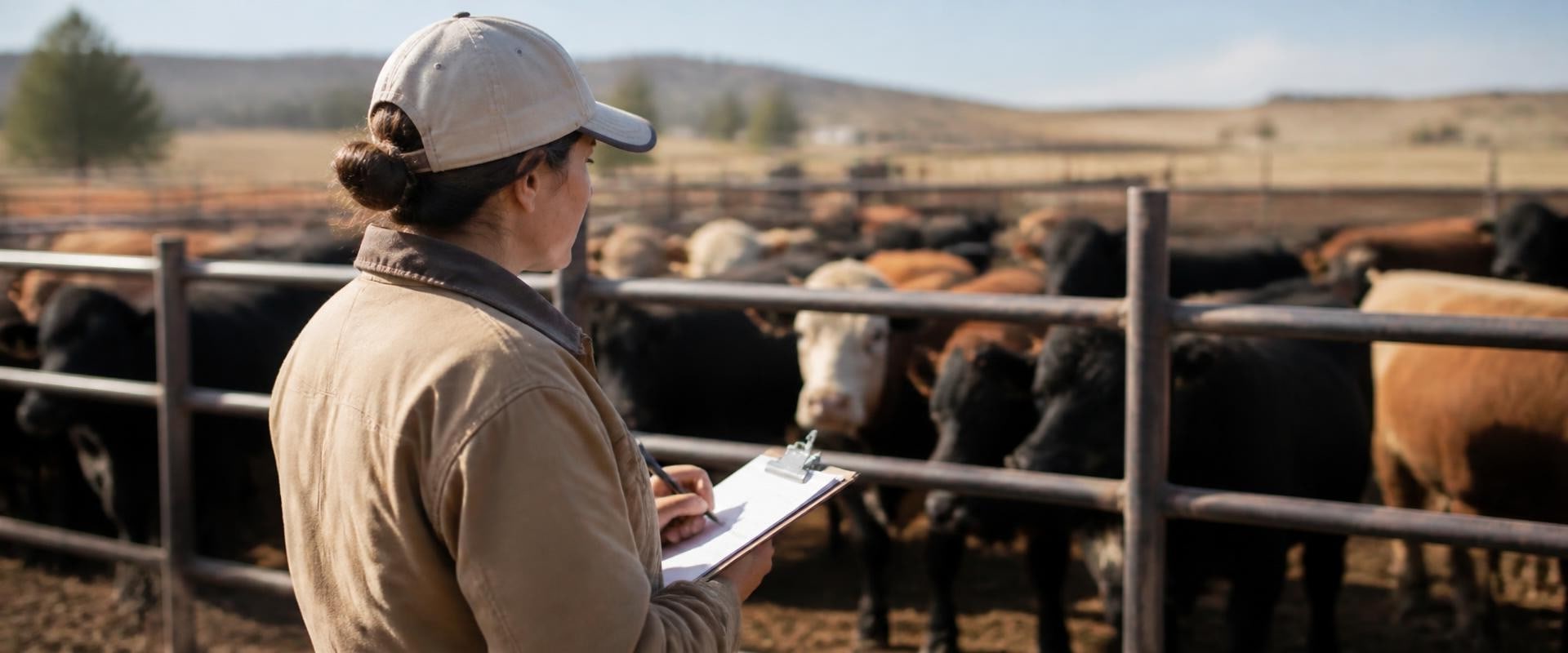
Livestock trading is a vital component of the agricultural economy, encompassing the buying and selling of animals such as cattle, pigs, sheep, and poultry. This sector not only supports farmers and ranchers but also plays a crucial role in ensuring a stable food supply for consumers. As the demand for meat and dairy products continues to rise, understanding the dynamics of livestock trading becomes increasingly important. However, this market is not without its complexities and challenges, which is where the United States Department of Agriculture (USDA) steps in. The USDA serves as a regulatory body that oversees various aspects of livestock trading, ensuring fair practices and promoting market stability.
By implementing regulations and standards, the USDA helps to protect both producers and consumers from unfair practices and potential fraud. Their involvement is essential in maintaining the integrity of the livestock market, which can be influenced by factors such as disease outbreaks, market fluctuations, and international trade policies. In addition to regulation, the USDA provides valuable resources and data that assist stakeholders in making informed decisions within the livestock trading arena. From market reports to educational programs, their efforts contribute to a more transparent and efficient trading environment. As we delve deeper into the roles and responsibilities of the USDA in livestock trading, it becomes clear that their influence extends far beyond mere oversight; they are integral to fostering a robust agricultural economy.
Overview of Livestock Trading
Livestock trading refers to the buying and selling of domesticated animals, primarily for agricultural purposes.This practice plays a crucial role in the agricultural economy, providing farmers and ranchers with the means to manage their herds effectively and respond to market demands. The livestock market is a dynamic environment where various factors, including supply and demand, feed prices, and consumer preferences, influence trading activities.Understanding the livestock market is essential for anyone involved in agriculture. It encompasses a range of activities, from auctions and private sales to online platforms that facilitate transactions. The market is characterized by its seasonal fluctuations, which can significantly impact prices and availability.
For instance, certain times of the year may see increased demand for specific types of livestock due to holidays or seasonal events.
Types of Livestock Trading
- Cattle Trading: This is one of the most common forms of livestock trading, involving both beef and dairy cattle. Prices can vary based on breed, weight, and market conditions.
- Poultry Trading: Chickens, turkeys, and other birds are traded for meat and egg production. The poultry market is often influenced by consumer trends towards organic and free-range products.
- Swine Trading: Pigs are traded primarily for pork production. The swine market can be volatile due to disease outbreaks and feed costs.
- Sheep Trading: Sheep are traded for both meat (lamb) and wool.
This segment often sees niche markets focusing on specialty breeds.
The USDA: An Introduction
The United States Department of Agriculture (USDA) was established in 1862, making it one of the oldest federal agencies in the United States. Its creation was driven by the need to provide support and guidance to farmers and ranchers, ensuring that agricultural practices were efficient and sustainable.Over the years, the USDA has evolved significantly, adapting to the changing needs of the agricultural sector.The mission of the USDA is to promote agricultural production, ensure food safety, and enhance rural development. This mission is crucial for livestock trading, as it encompasses various functions that directly impact the livestock industry.
Key Functions of the USDA
- Market Regulation: The USDA plays a vital role in regulating livestock markets to ensure fair trading practices. This includes monitoring prices and providing data that helps producers make informed decisions.
- Animal Health: The agency is responsible for safeguarding animal health through various programs aimed at preventing disease outbreaks that could affect livestock populations.
- Food Safety: The USDA oversees food safety regulations, ensuring that meat and dairy products meet strict safety standards before they reach consumers.
- Research and Education: The USDA funds research initiatives that focus on improving livestock production methods and educating farmers about best practices.
In recent years, it has focused on sustainability and climate change impacts on agriculture.In summary, the USDA's multifaceted role is essential for fostering a robust environment for livestock trading. By ensuring market stability, promoting animal health, and enforcing food safety standards, the USDA supports not only livestock producers but also consumers and the overall economy.
USDA Regulations Impacting Livestock Trading
The United States Department of Agriculture (USDA) plays a crucial role in regulating livestock trading to ensure fair practices and maintain the integrity of the market. Various regulations are in place that govern how livestock is bought, sold, and transported across state lines.One of the primary regulations affecting livestock trading is the Animal Welfare Act, which sets standards for the humane treatment of animals during their transport and handling. Compliance with this act is essential for all traders, as it not only protects animal welfare but also enhances consumer confidence in the livestock industry.Additionally, the USDA enforces the Packers and Stockyards Act, which aims to promote fair competition and protect farmers from unfair practices.This act requires livestock traders to adhere to specific guidelines regarding pricing, contracts, and payment terms. Non-compliance can lead to severe penalties, including fines and loss of trading privileges.
- Market Reporting: The USDA provides essential market data that helps traders make informed decisions. This includes price reports and trends that reflect current market conditions.
- Inspection Services: Livestock must undergo inspection to ensure they meet health standards before being traded. This process helps prevent the spread of diseases that could impact both livestock and human health.
- Traceability Requirements: The USDA mandates that all livestock be traceable throughout the supply chain.
This requirement is vital for tracking disease outbreaks and ensuring food safety.
USDA's Role in Market Oversight and Data Collection
The United States Department of Agriculture (USDA) plays a crucial role in the oversight of livestock trading by ensuring transparency and stability within the market. Through its various agencies, the USDA monitors market conditions, collects vital data, and disseminates reports that are essential for traders and policymakers alike.Market Oversight
- The USDA oversees livestock markets to prevent unfair practices and ensure compliance with federal regulations. This oversight helps maintain a level playing field for all participants in the livestock trading sector.
- By enforcing standards and regulations, the USDA helps to protect both producers and consumers, fostering trust in the market.
This data is critical for understanding market trends and making informed decisions. Key aspects of their data collection efforts include:
- Weekly and Monthly Reports: The USDA publishes regular reports that provide insights into livestock prices, supply levels, and demand trends. These reports are invaluable for traders looking to make strategic decisions based on current market conditions.
- Annual Surveys: Comprehensive surveys conducted by the USDA gather information from producers about their livestock operations. This data helps to paint a clearer picture of the overall health of the livestock sector.
- Market News Services: The USDA's Agricultural Marketing Service (AMS) provides real-time market news that includes price quotes and trends, enabling traders to react swiftly to changing conditions.
By analyzing trends and patterns in livestock trading, policymakers can develop strategies that support sustainable growth in the industry. This collaboration between data collection and policy formulation is essential for addressing challenges such as market volatility and food security.In summary, the USDA's role in livestock trading extends beyond mere oversight; it encompasses comprehensive data collection and analysis that benefits all stakeholders in the market. By providing accurate information and enforcing regulations, the USDA helps to create a more stable and transparent trading environment.
USDA Programs Supporting Livestock Traders
The United States Department of Agriculture (USDA) plays a pivotal role in supporting livestock trading through various programs designed to assist traders in navigating the complexities of the market. These programs not only provide financial assistance but also offer educational resources that are crucial for making informed trading decisions.Financial Assistance Programs
One of the primary ways the USDA supports livestock traders is through its financial assistance programs.These programs are tailored to help traders manage risks associated with livestock trading, including:
- Livestock Indemnity Program (LIP): This program compensates livestock producers for losses due to adverse weather events or attacks by animals.
- Emergency Assistance for Livestock, Honey Bees, and Farm-raised Fish Program (EALHF): This program provides financial assistance to eligible producers who have suffered losses due to natural disasters.
- Farm Service Agency (FSA) Loans: The FSA offers various loan programs that can help livestock traders secure funding for purchasing livestock or improving facilities.
Educational Resources and Support Services
In addition to financial aid, the USDA offers a wealth of educational resources aimed at enhancing the knowledge and skills of livestock traders. These include:- Workshops and Training Sessions: The USDA frequently organizes workshops that cover topics such as market trends, risk management strategies, and best practices in livestock care.
- Online Resources: The USDA provides access to a variety of online tools and publications that offer insights into livestock trading, including market reports and analysis.
- Technical Assistance: Traders can access technical support from USDA experts who can guide them through regulatory requirements and best practices in livestock trading.
Challenges Faced by Livestock Traders Under USDA Regulations
Livestock trading is a complex industry that operates under stringent regulations set forth by the United States Department of Agriculture (USDA). While these regulations are designed to ensure the safety and health of livestock, they also present several challenges for traders.One of the primary challenges faced by livestock traders is compliance with USDA regulations.Traders must navigate a labyrinth of rules concerning animal welfare, transportation, and health standards. Failure to comply can result in severe penalties, including fines and loss of trading privileges. This necessitates that traders stay informed about the latest regulatory changes, which can be time-consuming and costly.
- Documentation Requirements: Traders are often required to maintain extensive records of their transactions, including health certificates and inspection reports. This documentation is crucial for proving compliance but can be burdensome to manage.
- Health Inspections: Livestock must undergo regular health inspections before they can be traded.
These inspections can delay transactions and increase operational costs.
- Market Access: Some markets may impose additional requirements beyond USDA regulations, limiting access for traders who cannot meet these standards.
As a result, many traders find themselves balancing the need for compliance with the pressures of maintaining a competitive edge in the livestock market.In conclusion, while USDA regulations play a vital role in ensuring the integrity of livestock trading, they also pose significant challenges that traders must navigate carefully to succeed in this competitive industry.
Future Trends in Livestock Trading and the Role of the USDA
The landscape of livestock trading is undergoing significant transformation, influenced by technological advancements, consumer preferences, and regulatory changes. As we look to the future, several key trends are emerging that will shape the industry and the role of the USDA.Technological Integration
One of the most notable trends is the integration of technology in livestock trading. Innovations such as blockchain for traceability, artificial intelligence for market predictions, and mobile applications for real-time trading are becoming commonplace. These technologies not only enhance transparency but also improve efficiency in transactions.The USDA may need to adapt its regulatory framework to accommodate these advancements, ensuring that they align with existing standards while promoting innovation.
Consumer Demand for Transparency
Today's consumers are increasingly concerned about the origins of their food. This shift in consumer behavior is pushing producers to provide more information about their livestock. The USDA plays a crucial role in establishing guidelines for labeling and certification that can help meet these demands. As transparency becomes a priority, the USDA may expand its initiatives to include more comprehensive tracking systems that assure consumers of the quality and safety of livestock products.Sustainability Practices
Sustainability is another critical factor influencing the future of livestock trading.With growing awareness of environmental issues, there is a push for more sustainable farming practices. The USDA is likely to enhance its support for programs that promote sustainable livestock production, including grants and incentives for farmers who adopt eco-friendly practices. This shift not only benefits the environment but also aligns with consumer preferences for sustainably sourced products.
Global Market Dynamics
The global nature of livestock trading means that international trade agreements and foreign market conditions will continue to impact domestic markets. The USDA's role in monitoring these dynamics will be essential as it provides insights and data that help American producers navigate international competition.Future policies may focus on strengthening trade relationships while ensuring fair practices in livestock trading.In conclusion, as livestock trading evolves, so too will the role of the USDA. By embracing technology, enhancing transparency, promoting sustainability, and adapting to global market changes, the USDA can ensure that it remains a pivotal player in shaping a resilient and responsive livestock industry.
FAQs About the USDA and Livestock Trading
The United States Department of Agriculture (USDA) plays a crucial role in regulating livestock trading, ensuring that the market operates fairly and safely. Below are some frequently asked questions that clarify the USDA's involvement in this sector.What is the USDA's primary function in livestock trading?
The USDA is responsible for establishing and enforcing regulations that govern the trading of livestock. This includes overseeing health standards, ensuring humane treatment, and monitoring market practices to prevent fraud and abuse.How does the USDA ensure livestock health?
The USDA implements various programs aimed at maintaining animal health.These include:
- Inspection Programs: Livestock must undergo inspections to check for diseases before they can be traded.
- Vaccination Requirements: The USDA sets guidelines for vaccinations to prevent outbreaks of contagious diseases.
- Traceability Systems: The USDA promotes systems that track livestock from farm to market, ensuring accountability.
Are there specific regulations for livestock trading?
Yes, the USDA enforces several regulations that traders must follow, including:- Animal Welfare Standards: Regulations ensure that animals are treated humanely during transport and at trading facilities.
- Market Reporting: The USDA provides regular reports on livestock prices and market conditions to promote transparency.
- Licensing Requirements: Traders must obtain licenses to operate legally, which helps maintain industry standards.
How can I stay informed about changes in livestock regulations?
The USDA regularly updates its guidelines and regulations. Interested parties can stay informed by:- Visiting the official USDA website.
- Subscribing to newsletters or alerts from the USDA.
- Participating in industry workshops and seminars hosted by the USDA.
Conclusion: The Importance of Understanding the USDA's Role in Livestock Trading
In conclusion, understanding the role of the USDA in livestock trading is crucial for anyone involved in the agricultural sector, from farmers to traders and consumers. The USDA's regulations and oversight ensure that the livestock market operates fairly and transparently, which is essential for maintaining consumer trust and market stability.The USDA plays several key roles in this process:- Regulatory Oversight: The USDA establishes guidelines that govern the health and safety standards for livestock, ensuring that animals are treated humanely and that products are safe for consumption.
- Market Information: By providing valuable data on livestock prices, trends, and forecasts, the USDA helps traders make informed decisions, which can lead to more efficient trading practices.
- Support Programs: The USDA offers various programs aimed at supporting livestock producers, including financial assistance and educational resources that help them navigate the complexities of the market.
As the landscape of livestock trading continues to evolve, staying informed about regulatory changes and market dynamics will be essential for success.