The livestock trading market is a dynamic and multifaceted landscape that plays a crucial role in the agricultural economy. Understanding this market is essential for traders who wish to navigate its complexities effectively. Livestock trading involves the buying and selling of animals such as cattle, sheep, and pigs, which are not only vital for food production but also serve as significant investment assets. The fluctuations in prices can be influenced by various factors, including supply and demand, seasonal trends, and even global economic conditions. At its core, the livestock market operates on principles similar to other commodities markets, where traders must stay attuned to both local and international developments.
For instance, changes in feed prices, disease outbreaks, or shifts in consumer preferences can dramatically impact livestock values. Therefore, having a solid grasp of livestock trading basics is imperative for anyone looking to succeed in this field. Traders must not only understand the current market conditions but also anticipate future trends that could affect their investments. Moreover, the importance of staying informed cannot be overstated. With the rapid pace of change in agricultural practices and market dynamics, traders who are proactive in seeking out information will have a competitive edge.
This introductory section sets the stage for exploring various strategies that livestock traders can employ to remain updated on market changes, ensuring they make informed decisions that align with their trading goals.
Utilizing Market Reports and Data Sources
In the fast-paced world of livestock trading, staying informed about market changes is crucial for traders looking to maximize their profits and minimize risks. One of the most effective ways to achieve this is by utilizing market reports and reliable data sources.Market Reports
- USDA Reports: The United States Department of Agriculture (USDA) provides comprehensive reports on livestock prices, supply, and demand trends. These reports are invaluable for traders as they offer insights into market conditions and forecasts.
- Industry Publications: Various industry-specific publications regularly release market analysis and price trends. Subscribing to these can keep traders updated on the latest developments in livestock trading.
- Local Market Reports: Many states and regions publish local market reports that provide detailed information on livestock prices specific to those areas.
This localized data can help traders make more informed decisions based on regional trends.
Data Sources for Livestock Trading
- Online Marketplaces: Platforms like CattleExchange and LivestockMarket.com not only facilitate transactions but also provide real-time pricing data and trends that are essential for traders.
- Government Databases: Accessing databases such as the National Agricultural Statistics Service (NASS) can provide historical data that helps traders analyze long-term trends in livestock prices.
- Social Media and Forums: Engaging with communities on platforms like Facebook or specialized forums can yield insights from other traders about market sentiment and emerging trends.
Market Analysis Tools
In addition to reports and data sources, utilizing market analysis tools can enhance a trader's ability to interpret data effectively. Tools such as price trend graphs, forecasting software, and analytical dashboards allow traders to visualize data, making it easier to spot patterns and make predictions about future market movements.By leveraging these resources, livestock traders can stay ahead of the curve, ensuring they make informed decisions that align with current market conditions.
Leveraging Technology and Trading Platforms
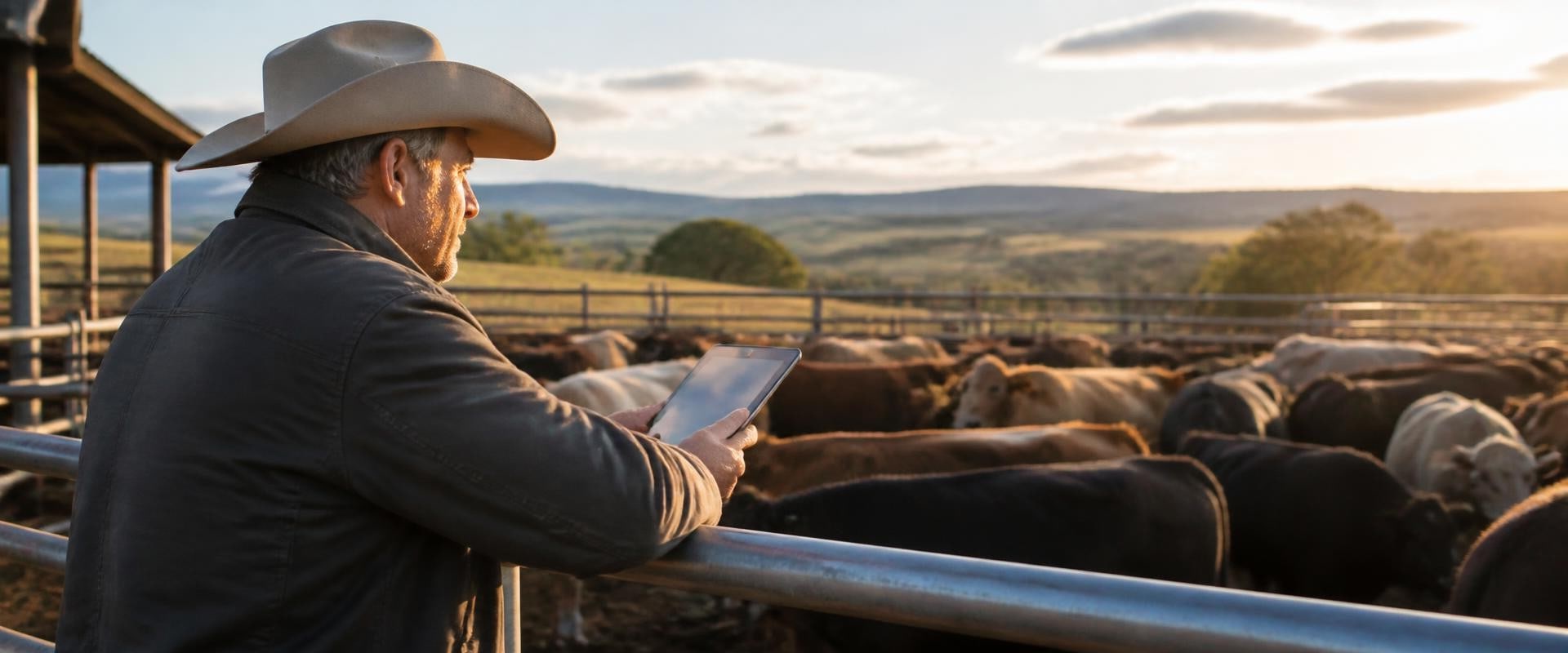
In the fast-paced world of livestock trading, staying informed about market changes is crucial for traders looking to maximize their profits. Leveraging technology and specialized trading platforms can significantly enhance a trader's ability to access real-time information and analytics.One of the most effective ways to stay updated is through dedicated livestock trading platforms. These platforms provide comprehensive market data, including price trends, supply and demand statistics, and regional market insights.By utilizing these tools, traders can make informed decisions based on the latest market conditions.
- Market Analysis Tools: Many platforms offer advanced analytics features that allow traders to analyze historical data and forecast future trends. This capability is essential for anticipating market shifts.
- Real-Time Alerts: Traders can set up alerts for specific price points or market changes, ensuring they never miss critical opportunities.
- Networking Opportunities: Some platforms also facilitate connections between traders, enabling them to share insights and strategies.
- Cattle Market Mobile App: This app offers real-time cattle prices, news updates, and market analysis tailored specifically for cattle traders.
- AgriWebb: A farm management app that integrates livestock tracking with market data, helping traders manage their herds while staying informed about market conditions.
- Livestock Exchange: This platform allows users to buy and sell livestock directly through their mobile devices, streamlining the trading process.
The integration of technology not only simplifies the trading process but also empowers traders with the knowledge needed to thrive in a competitive environment.
Networking with Industry Experts and Peers
In the dynamic world of livestock trading, staying informed about market changes is crucial for success. One of the most effective ways to gain insights is through networking with industry experts and peers. Building relationships within the livestock trading community can provide valuable information that may not be readily available through traditional channels.Benefits of Networking:
- Access to Expertise: Engaging with seasoned professionals allows traders to tap into a wealth of knowledge regarding market trends, pricing strategies, and best practices.
- Real-Time Information: Networking can facilitate the exchange of timely updates on market fluctuations, enabling traders to make informed decisions quickly.
- Support System: Establishing connections with peers creates a support network where traders can share experiences, challenges, and solutions.
How to Network Effectively:
- Attend Industry Events: Participating in livestock shows, auctions, and trade fairs provides opportunities to meet industry leaders and fellow traders.
- Join Professional Associations: Becoming a member of organizations related to livestock trading can open doors to exclusive resources and networking events.
- Utilize Social Media: Platforms like LinkedIn and Facebook groups dedicated to livestock trading can help connect with others in the field, share insights, and stay updated on industry news.
Following Regulatory Changes and Policies
In the dynamic world of livestock trading, staying informed about regulatory changes and policies is crucial for traders.These regulations can significantly impact market conditions, pricing, and overall trading strategies. Understanding the legal landscape helps traders navigate potential risks and seize opportunities.One of the primary reasons to monitor livestock regulations is that they can affect everything from animal welfare standards to trade agreements. For instance, changes in health regulations can lead to increased costs or restrictions on certain livestock movements, which directly influences market prices.
Key Resources for Monitoring Regulatory Changes
- Government Websites: Websites such as the U.S. Department of Agriculture (USDA) and state agricultural departments provide updates on new policies and regulations affecting livestock.
- Industry Associations: Organizations like the National Cattlemen's Beef Association (NCBA) often publish newsletters and reports that summarize important regulatory changes.
- Trade Publications: Subscribing to industry-specific magazines or journals can keep traders informed about the latest news and analysis regarding livestock regulations.
- Social Media and Online Forums: Engaging with communities on platforms like Twitter or specialized forums can provide real-time insights and discussions about regulatory impacts.
These events often feature sessions dedicated to regulatory updates, allowing traders to ask questions directly to experts in the field.By utilizing these resources, livestock traders can better understand how policy changes impact their operations and make informed decisions that align with current regulations. Staying proactive in monitoring these changes not only helps in compliance but also enhances competitive advantage in the marketplace.
Engaging with Online Communities and Forums
In the fast-paced world of livestock trading, staying informed about market changes is crucial for success. One effective way to achieve this is by engaging with online communities and forums dedicated to livestock trading. These platforms serve as valuable resources where traders can share experiences, insights, and strategies.Online communities provide a space for traders to connect with others who share similar interests and challenges.By participating in discussions, traders can:
- Exchange Knowledge: Members often share valuable information about market trends, pricing fluctuations, and best practices in livestock management.
- Seek Advice: New traders can ask questions and receive guidance from seasoned professionals who have navigated the complexities of the market.
- Network: Building relationships with other traders can lead to potential partnerships or collaborations that enhance trading opportunities.
- Follow Industry Leaders: By following experts and organizations in the livestock sector, traders can gain insights into market developments and innovative practices.
- Join Groups: Numerous groups exist specifically for livestock traders, where members can post questions, share news, and discuss market conditions.
- Stay Updated: Social media allows for real-time updates on market changes, auctions, and events that may impact trading decisions.
Utilizing Social Media for Market Insights
In the fast-paced world of livestock trading, staying informed about market changes is crucial for success. One of the most effective ways to gather real-time insights is through social media platforms.These platforms not only provide updates but also foster connections with industry leaders and fellow traders.
Choosing the Right Platforms
- Twitter: This platform is ideal for quick updates and breaking news. Follow industry hashtags like #LivestockTrading and #AgMarket to stay in the loop.
- Facebook: Join groups dedicated to livestock trading where members share insights, market trends, and personal experiences.
- Instagram: Visual content can be powerful. Follow farms, traders, and agricultural influencers who share behind-the-scenes looks at their operations and market conditions.
- LinkedIn: This professional network is perfect for connecting with industry leaders and accessing in-depth articles and reports on market trends.
Engaging Effectively
To maximize the benefits of social media, it’s essential to engage actively:
- Follow Industry Leaders: Identify key figures in livestock trading, such as successful traders, analysts, and agricultural economists. Their insights can provide valuable perspectives on market shifts.
- Participate in Discussions: Don’t just observe; contribute to conversations.
Ask questions, share your experiences, and offer insights to build your reputation within the community.
- Share Relevant Content: Curate and share articles, reports, or infographics that you find useful. This not only helps others but also positions you as a knowledgeable source in the field.
Continuous Education and Training Opportunities
In the ever-evolving world of livestock trading, staying informed about market changes is crucial for success. One of the most effective ways for traders to enhance their knowledge and skills is through continuous education. This not only helps them understand market dynamics but also equips them with the tools necessary to make informed decisions.There are various training programs, workshops, and seminars available that focus specifically on livestock trading.These educational opportunities can cover a range of topics, including market analysis, risk management, and the latest trends in livestock health and nutrition.
Available Training Programs
- Online Courses: Many institutions offer online courses tailored for livestock traders. These courses often include modules on market forecasting, pricing strategies, and regulatory compliance.
- Certification Programs: Obtaining a certification in livestock trading can enhance credibility and demonstrate expertise. Programs often include both theoretical knowledge and practical applications.
- University Workshops: Several universities with agricultural programs host workshops that focus on livestock economics and trading strategies. These workshops provide hands-on experience and networking opportunities.
Workshops and Seminars
- Industry Conferences: Attending industry conferences allows traders to hear from experts, participate in discussions, and learn about the latest innovations in livestock trading.
- Local Agricultural Fairs: Many local fairs offer seminars on livestock management and trading practices.
These events are excellent for connecting with other traders and sharing insights.
- Webinars: With the rise of digital platforms, webinars have become a popular way to gain knowledge from the comfort of home. Many organizations host free or low-cost webinars focusing on current trends in livestock markets.
Conclusion: Key Takeaways for Livestock Traders
In conclusion, staying informed about market changes is crucial for success in livestock trading. As the industry continues to evolve, traders must adopt a proactive approach to navigate the complexities of the market.Here are the key takeaways that can help livestock traders remain competitive:
- Utilize Technology: Leverage digital tools and platforms that provide real-time data on market trends, prices, and demand fluctuations. Mobile apps and online marketplaces can enhance your ability to make informed decisions quickly.
- Engage with Industry Networks: Building relationships with other traders, farmers, and industry experts can provide valuable insights. Participating in forums, attending trade shows, and joining associations can keep you connected with the latest developments.
- Monitor Economic Indicators: Keep an eye on broader economic factors that influence livestock prices, such as feed costs, export markets, and consumer demand. Understanding these elements can help you anticipate market shifts.
- Stay Updated on Regulations: Regulatory changes can significantly impact livestock trading.
Regularly review local and federal regulations to ensure compliance and adapt your strategies accordingly.
- Invest in Education: Continuous learning through workshops, webinars, and courses can enhance your knowledge of market dynamics and trading strategies. Staying educated will empower you to make better decisions.